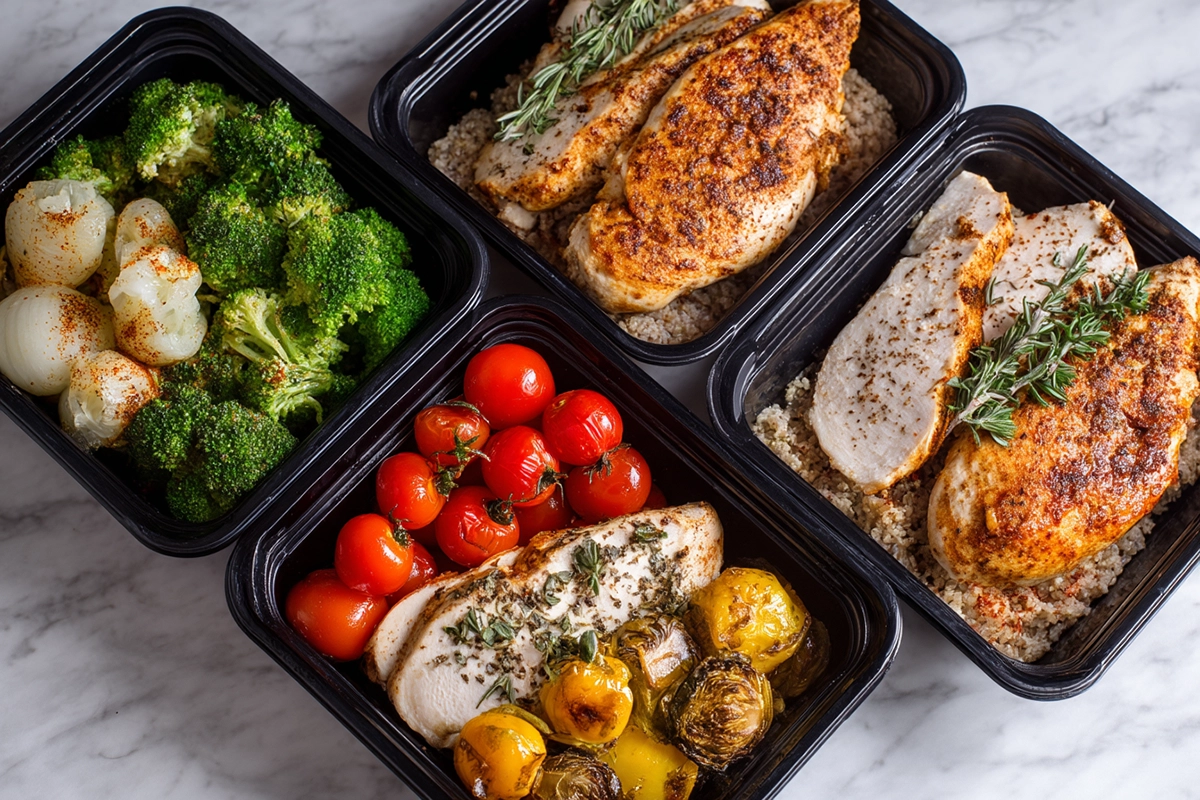
Meal prep isn’t just a buzzword anymore. It’s a lifestyle shift that helps you save time, eat healthier, and reduce stress. And when chicken becomes the hero of your prep, you’ve got a lean, protein-packed, and super versatile ingredient that works with just about everything. Whether you’re juggling a busy schedule, chasing fitness goals, or simply trying to avoid the daily “what’s for dinner?” panic, meal-prepped chicken is your game-changer.
So buckle up as we dive deep into everything you need to know—from the basics to pro tips and mouth-watering recipes.
Introduction
What is Meal Prep?
Meal prep, short for meal preparation, is all about planning, cooking, and portioning your meals in advance. It can be as simple as chopping ingredients ahead of time or as complete as preparing several full meals to last you through the week.
Meal prepping isn’t just convenient—it’s strategic. It helps eliminate last-minute takeout, manage your nutrition better, and stay consistent with your goals. Instead of scrambling to cook every day, you just grab and go.
Why Focus on Chicken for Meal Prep?
Chicken is a fan favorite when it comes to meal prep—and for good reason.
Nutritional Benefits of Chicken
Chicken, especially lean cuts like breast, is high in protein, low in fat, and filled with essential nutrients like niacin, B6, and selenium. Protein helps build and repair muscles, keeps you full longer, and supports weight loss. It’s the ultimate building block for any healthy diet.
Versatility and Affordability of Chicken
Chicken plays well with almost any seasoning, spice, or cooking method. You can grill it, bake it, stir-fry it, or slow-cook it. Want it tangy, spicy, sweet, or savory? Done. Plus, it’s usually cheaper than other proteins, making it budget-friendly for weekly planning.
What’s more, chicken fits into all kinds of eating styles—whether you’re keto, paleo, low-calorie, or just aiming for balanced meals. From lunchboxes to dinner plates, it adapts to every recipe and occasion.
Ready to unlock the full power of meal prepping with chicken? Let’s move into the benefits of doing it right.
Benefits of Chicken Meal Prep
Meal prepping with chicken offers more than just easy lunches. It’s smart and practical and keeps your meals tasty and healthy. Let’s break down the biggest benefits.
Health Benefits
High Protein Content and Its Advantages
Chicken is a top choice for protein. It’s lean, filling, and supports your muscles. When you eat enough protein, you stay full longer. That means fewer snacks and less mindless eating.
Protein also helps build muscle after workouts. That’s why it’s a favorite among fitness lovers. Even if you’re not hitting the gym, it still keeps your body strong and balanced.
Low Fat and Calorie Content
Chicken breast, in particular, is low in fat and calories. It helps if you’re trying to lose weight or simply eat lighter meals. It’s packed with nutrients, not just empty calories.
You can add it to salads, bowls, or wraps without loading up on fats. It makes healthy eating much easier.
Convenience and Time Savings
Streamlining Weekly Cooking
Cooking every day is tough. With meal prep, you don’t have to. Just cook your chicken in one go. Then portion it out for the week.
You save hours by planning. No more wondering what to eat or rushing to cook when you’re tired.
Reducing Daily Meal Preparation Time
When your meals are ready, you eat faster. Reheat and enjoy. It’s that easy. Prepped chicken cuts your kitchen time down to minutes.
No more dishes every night, either. Fewer pots, fewer pans—more time for everything else.
Cost-Effectiveness
Buying Chicken in Bulk
Buying in bulk saves money. You get more chicken for less. Then, freeze what you won’t use right away. It stays good for weeks.
Bulk buying also lets you prep more meals at once. One cooking session, several days of food. That’s a win.
Minimizing Food Waste
Prepping meals means planning better. You buy what you need, then use it all. That means less food going bad in the fridge.
It’s better for your wallet—and the planet.
Meal prepping with chicken isn’t just smart—it’s efficient, healthy, and budget-friendly. Up next, let’s look at the tools that make this whole process even easier.
Essential Tools and Equipment for Chicken Meal Prep
Meal prepping doesn’t need fancy gear. But having the right tools makes it faster, safer, and way easier. If you’re starting or want to step up your game, these essentials are worth adding to your kitchen.
Kitchen Tools
Sharp Knives and Cutting Boards
A good sharp knife makes chopping faster and cleaner. Dull knives are harder to use and more dangerous.
Use different cutting boards for meat and veggies. It keeps things safe and clean.
Measuring Cups and Spoons
To get the best taste and the right portions, measuring tools help. Whether it’s seasoning or sauces, you’ll want to measure it out.
They also help if you’re tracking calories or macros.
Mixing Bowls and Marinating Containers
You’ll need bowls for mixing marinades or seasonings. Seal containers to marinate the chicken in the fridge.
Glass or BPA-free plastic is best. They’re safer and easier to clean.
Cooking Equipment
Oven and Stovetop
Most homes have these. They’re perfect for baking, roasting, or pan-frying chicken.
Use the oven when prepping large batches. It saves time and keeps heat even.
Slow Cooker and Instant Pot
These are great for set-it-and-forget-it cooking. Just toss in your chicken and let it cook while you handle other things.
They’re perfect for shredded chicken and tender cuts.
Grill or Grill Pan
Love smoky flavors? A grill or grill pan brings out that charred taste.
Indoor grill pans work well if you don’t have outdoor space.
Storage Solutions
Airtight Containers
These are must-haves. They keep food fresh longer and make stacking in the fridge simple.
Get different sizes to fit meals, snacks, or sauces.
Labeling Materials
It’s easy to forget what you prepped or when. Use labels or masking tape to write the meal name and date.
This helps avoid eating spoiled food and keeps things organized.
Refrigeration and Freezing Guidelines
Store chicken meals in the fridge for up to 4 days. For longer storage, freeze them.
Let hot food cool first, then store it. This stops moisture buildup and keeps the food safe.
With these tools, meal prepping feels like less work. And it makes your meals taste even better. Now, let’s dive into how to pick and prepare the chicken the right way.
Selecting and Preparing Chicken
Picking the right chicken matters. Prepping it the right way is just as important. Good choices make your meals safer, tastier, and easier to cook.
Choosing the Right Cuts
Breast vs. Thighs: Pros and Cons
Chicken breast is lean and high in protein. It’s great for low-fat meals. It cooks fast and goes with many flavors.
Chicken thighs have more fat and flavor. They stay juicy, even after reheating. They’re cheaper too.
Pick what fits your taste and goals. Want low fat? Go for breasts. Want bold flavor? Use thighs.
Bone-In vs. Boneless Options
Boneless chicken is easy to prep and cook. It’s best for busy weeks.
Bone-in chicken stays moist and rich in taste. But it takes longer to cook.
Both are good. Choose based on how much time you have.
Safe Handling Practices
Proper Thawing Techniques
Don’t leave chicken out on the counter. That’s not safe.
Thaw it in the fridge overnight. Or use cold water—sealed in a bag and changed every 30 minutes.
If you’re in a rush, the microwave works, too. But cook it right after.
Avoiding Cross-Contamination
Keep raw chicken away from veggies and cooked food. Use separate cutting boards and knives.
Wash your hands and surfaces well after handling raw meat. This prevents foodborne illness.
Marinating and Seasoning
Marination Timeframes and Tips
Marinating adds flavor. It also helps tenderize chicken.
Let it soak for at least 30 minutes. A few hours is even better. For strong flavors, overnight is best.
Use oil, acid (like lemon or vinegar), and spices. Don’t reuse old marinade unless you boil it first.
Popular Seasoning Blends for Chicken
You don’t need fancy spices. Simple mixes work great.
Try garlic, paprika, cumin, pepper, onion powder, or chili flakes. Lemon pepper and Italian seasoning are tasty, too.
Make a few blends ahead of time. This saves even more time on prep day.
The right cut and simple prep steps make a big difference. Next up, let’s look at the best ways to cook your chicken for meal prep.
Cooking Methods for Meal Prep Chicken
Cooking your chicken the right way keeps it juicy, safe, and full of flavor. There’s no single “best” way—it depends on what you like and how much time you have.
Baking
Techniques for Juicy Baked Chicken
Baking is easy. It’s perfect for making many pieces at once.
To keep it juicy, brush the chicken with oil. Cover it with foil while baking. This traps moisture.
Season well before baking. You can add sauce near the end for extra flavor.
Temperature and Timing Guidelines
Bake at 400°F (200°C). Cook for 20 to 30 minutes, depending on thickness.
Use a meat thermometer. Chicken is safe at 165°F (74°C) in the center.
Grilling
Indoor vs. Outdoor Grilling
Outdoor grills give that smoky taste. But grill pans work well indoors, too.
Both give great flavor and sear marks. Just don’t forget to preheat it first.
Achieving Optimal Grill Marks and Flavor
Pat the chicken dry before grilling. Wet chicken won’t sear well.
Cook on medium-high heat. Let it sit before flipping. This gives those nice grill marks.
Brush with oil or marinade while it cooks for more taste.
Slow Cooking
Benefits of Using a Slow Cooker
Slow cookers are great for busy days. Just add your chicken, spices, and liquid. Then walk away.
The chicken comes out super tender. It’s perfect for shredding.
Recommended Recipes for Slow-Cooked Chicken
Try salsa chicken, BBQ pulled chicken, or curry-style recipes.
Use boneless thighs or breasts. They hold up well after long cooking.
Sautéing and Stir-Frying
Quick Cooking Techniques for Busy Schedules
Sautéing is fast. Just slice the chicken thin and cook on a hot pan with a little oil.
It’s great when you need dinner in minutes.
Combining Chicken with Vegetables and Sauces
Toss in bell peppers, onions, or broccoli. Add soy sauce, garlic, or a simple stir-fry sauce.
You get a full meal in one pan—fast and tasty.
No matter how you cook it, keep your chicken safe, juicy, and well-seasoned. Coming up next, you’ll discover easy, go-to recipes that are perfect for any meal prep plan.
Chicken Meal Prep Recipes
Simple recipes can still taste amazing. These chicken meal prep ideas are quick, healthy, and full of flavor. You can mix and match them with grains, veggies, or salads.
Simple Baked Chicken Breast
Ingredients and Step-by-Step Instructions
-
2 chicken breasts
-
1 tablespoon olive oil
-
Salt and pepper
-
Garlic powder
-
Paprika
Preheat oven to 400°F (200°C).
Place chicken on a baking tray. Rub with oil and season both sides.
Bake for 20–25 minutes or until the inside hits 165°F (74°C).
Let it rest before slicing.
Serving Suggestions and Storage Tips
Pair it with brown rice, steamed broccoli, or sweet potatoes.
Store in containers for up to 4 days in the fridge.
Freeze extras for later meals.
Honey Garlic Chicken
Flavor Profile and Preparation Steps
This one’s sweet, sticky, and a little garlicky.
-
4 chicken thighs
-
3 tablespoons honey
-
2 garlic cloves, minced
-
2 tablespoons soy sauce
-
1 tablespoon olive oil
Sear chicken in a pan. Mix the honey, garlic, and soy sauce.
Pour sauce into the pan. Simmer for 10 minutes.
Cook until chicken is fully done and coated.
Pairing with Sides for Balanced Meals
Serve with rice and green beans. Or try it with noodles and stir-fried veggies.
Teriyaki Chicken Stir-Fry
Combining Chicken with Vegetables and Rice
-
2 chicken breasts, sliced
-
1 cup chopped broccoli
-
1 red bell pepper
-
3 tablespoons teriyaki sauce
Sauté chicken in oil. Add veggies and cook until tender.
Pour in teriyaki sauce and stir well.
Serve with cooked rice or quinoa.
Make-Ahead Tips for Busy Weekdays
Cool completely before storing.
Divide into 3–4 containers.
Eat within 4 days or freeze for later.
Spicy Chicken and Rice Bowls
Incorporating Whole Grains and Spices
-
2 cups cooked brown rice
-
1 teaspoon chili powder
-
1 teaspoon cumin
-
2 cooked chicken breasts, sliced
-
Corn and black beans
Mix rice with chili powder and cumin.
Add sliced chicken, beans, and corn.
Customization Options for Dietary Preferences
Swap rice for quinoa.
Add avocado, Greek yogurt, or hot sauce on top.
Chicken and Vegetable Sheet Pan Dinner
One-Pan Cooking for Easy Cleanup
-
2 chicken thighs
-
1 zucchini
-
1 red onion
-
1 bell pepper
-
Olive oil, salt, pepper
Chop veggies and place on a tray.
Add chicken. Drizzle everything with oil and seasoning.
Bake at 425°F (220°C) for 25–30 minutes.
Vegetable Pairings and Seasoning Variations
Try carrots, broccoli, or sweet potatoes.
Season with Italian herbs or garlic and lemon.
These recipes make weekday meals easy. You can switch the sides or spices to keep things fun. Now let’s talk about how to store and reheat your chicken the right way.
Storing and Reheating Meal Prepped Chicken
Cooking your chicken is only half the job. Storing and reheating it the right way keeps it safe, tasty, and fresh. Let’s look at how to do it right.
Refrigeration Guidelines
Optimal Storage Times for Freshness
Cooked chicken lasts up to 4 days in the fridge.
Keep it in airtight containers. This keeps out air and stops moisture loss.
Label each container with the date. It helps you know when it’s time to eat or toss it.
Proper Container Selection
Use BPA-free plastic or glass containers.
Pick ones that fit your meal size. That way, you don’t have to open and close large boxes often.
Containers with dividers are great for full meals—chicken, rice, and veggies all in one spot.
Freezing Techniques
Best Practices for Freezing Cooked Chicken
Freeze meals you won’t eat in 3–4 days.
Use freezer-safe bags or containers. Press out as much air as you can before sealing.
Wrap the chicken in foil or plastic wrap first if you want extra protection.
Thawing Methods to Maintain Quality
The safest way to thaw is in the fridge.
Place frozen chicken there the night before. You can also use cold water if you’re short on time.
Don’t thaw on the counter—it’s not safe.
Reheating Methods
Microwave vs. Oven Reheating
Microwaves are fast but can dry out chicken. Cover your meal with a damp paper towel. This adds moisture.
If you have more time, use the oven. Set it to 325°F (165°C). Cover the dish with foil and warm for 10–15 minutes.
Ensuring Even Heating and Moisture Retention
Stir or flip halfway through heating. This keeps the temperature even.
Add a splash of water or broth before reheating. It helps keep the chicken moist.
Proper storage keeps your meals safe and fresh. With good reheating habits, your chicken stays juicy and tasty every time. Now you’re ready to fit chicken meal prep into your weekly routine with ease.
Incorporating Chicken Meal Prep into Weekly Meal Plans
Chicken meal prep fits into almost any meal plan. It helps you stay on track with healthy eating and saves time during the week.
Balancing Macronutrients
Combining Proteins, Carbohydrates, and Fats
A balanced meal has protein, carbs, and healthy fats. Chicken gives you lean protein. Add rice, sweet potatoes, or quinoa for carbs. Use olive oil, nuts, or avocado for fat.
This mix keeps you full and gives your body what it needs. It also keeps your energy up all day.
Adjusting Portions for Individual Needs
Everyone’s needs are different. Use smaller portions if you want to lose weight. Eat more if you’re building muscle.
Measuring tools or a food scale can help. You can also use the “hand method”—your palm for protein, a fist for carbs, and a thumb for fat.
Variety and Rotation
Preventing Meal Fatigue with Diverse Recipes
Eating the same thing every day can get boring. Switch up your flavors and sides. Try new spices or different sauces each week.
Use chicken in salads, bowls, wraps, or pasta. One ingredient—many meals.
Seasonal Ingredients and Flavor Profiles
Seasonal veggies are cheaper and taste better. In summer, try grilled chicken with corn and zucchini. In winter, go for roasted chicken with carrots and sweet potatoes.
Different spices also help. Use chili, curry, or lemon garlic to mix things up.
Time Management Tips
Scheduling Meal Prep Sessions
Pick a day to cook—Sunday works for many. Set aside 1–2 hours to prep your meals.
Cook more than one recipe at once. Bake chicken while rice cooks. Steam veggies while mixing sauces.
Efficient Grocery Shopping Strategies
Make a list before you shop. Stick to it to save time and money.
Buy in bulk when possible. Group items by category—meats, grains, veggies—to shop faster.
Meal prepping chicken doesn’t have to be boring or hard. With a little planning, you’ll have fresh, tasty meals all week long. Let’s wrap things up next with common mistakes to watch out for.
Common Mistakes to Avoid in Chicken Meal Prep
Even a great plan can go wrong if a few basics are missed. Here are the most common mistakes people make when prepping chicken—and how to avoid them.
Overcooking or Undercooking
Using Meat Thermometers for Accuracy
Guessing if chicken is done can lead to dry or unsafe food. Use a meat thermometer to be sure.
The inside of the chicken should hit 165°F (74°C). That’s the safe zone.
This tool helps you cook it just right—moist, not dry.
Recognizing Visual Cues for Doneness
If you don’t have a thermometer, look for these signs:
-
Juices run clear
-
No pink in the middle
-
Firm texture
Still, checking the temperature is always the best way.
Improper Storage Practices
Using the Wrong Containers
Some containers don’t seal well. Air gets in. That dries out the chicken fast.
Always use airtight containers. This keeps meals fresh longer.
Choose glass or BPA-free plastic for safety and easy cleaning.
Not Labeling Meals with Dates
Forgetting when you cooked your food? That’s risky.
Always label each container with the prep date. This helps you eat meals on time and avoid spoilage.
Skipping Seasoning or Marinating
Forgetting to Flavor the Chicken
Plain chicken can get boring fast. It might save time—but you’ll probably eat less of it.
Add spices, herbs, or a simple marinade. It doesn’t take long, and it makes meals better.
Using Too Much Salt or Oil
A little goes a long way. Adding too much can ruin the taste or add extra calories.
Stick to light, balanced seasoning. Taste as you go if possible.
Avoiding these small mistakes will save you time, money, and stress. You’ll get safer, tastier, and more satisfying meals—every time. Now, let’s go over some of the most common questions people ask about chicken meal prep.
Frequently Asked Questions (FAQ) About Meal Prep Chicken
People often have questions when starting chicken meal prep. Here are clear and simple answers to the most common ones.
How long does cooked chicken last in the fridge?
Cooked chicken stays fresh for 3 to 4 days in the fridge.
Store it in airtight containers.
Label each one with the date so you don’t forget.
Can I freeze chicken after cooking it?
Yes, you can freeze cooked chicken.
Let it cool first.
Then pack it in a freezer-safe bag or container.
Use it within 2 to 3 months for the best taste.
Is it safe to reheat chicken more than once?
It’s best to reheat chicken only one time.
Each time you cool and reheat food, the risk of bacteria grows.
Only reheat what you plan to eat.
What’s the best cut of chicken for meal prep?
Chicken breasts are lean and easy to slice.
Thighs stay juicy and are packed with flavor.
Both work great. Choose what fits your taste and your meals.
How do I keep chicken from getting dry when reheating?
Add a splash of water or broth before reheating.
Cover it while warming up.
This keeps the moisture in.
Can I prep chicken with different seasonings in one batch?
Yes. Just split the chicken into smaller bowls or bags.
Add a different marinade or seasoning to each.
This gives you more variety without more work.
How can I tell if cooked chicken has gone bad?
Smell it. Bad chicken has a sour or strange smell.
Check the color. If it looks gray or slimy, throw it out.
When in doubt, it’s safer to toss it.
These questions come up a lot, especially if you’re new to meal prepping. Simple tips like these can make the whole process feel easier and more doable. Let’s finish up with a quick recap and some final thoughts.
Conclusion
Meal prepping with chicken is simple, smart, and helpful. It saves time. It helps you eat better. And it keeps meals ready when life gets busy.
You don’t need fancy tools. Just a good plan, a few containers, and the right steps. Start with easy recipes. Bake, grill, stir-fry, or slow-cook your chicken. Store it the right way. Reheat it safely. And enjoy tasty meals all week long.
Chicken is healthy, affordable, and easy to season. You can pair it with grains, veggies, or salads. Mix up the flavors so you don’t get bored.
Avoid common mistakes like overcooking, bad storage, or forgetting to season. Use what you’ve learned to keep your meals fresh and full of flavor.
Whether you’re feeding a family or just yourself, meal prep chicken makes life easier. One prep day can give you days of less stress and more good food.
Start small. Stick with it. And soon, prepping chicken meals will feel like second nature.
Print
The Ultimate Guide to Meal Prep Chicken for Healthy, Tasty, and Easy Meals
5 Stars 4 Stars 3 Stars 2 Stars 1 Star
No reviews
- Author: Amanda Thompson
- Total Time: 35M
- Yield: 4 servings 1x
- Diet: Low Fat
Description
This meal prep chicken is simple, juicy, and ready to fuel your week. Whether baked, grilled, or sautéed, this chicken is easy to season and perfect for bowls, wraps, salads, or quick lunches. Cook once, enjoy all week long!
Ingredients
Base Meal Prep Chicken (for 4 servings):
-
4 boneless, skinless chicken breasts
-
2 tbsp olive oil
-
1 tsp garlic powder
-
1 tsp paprika
-
1/2 tsp salt
-
1/2 tsp black pepper
-
Optional: juice of 1 lemon or 2 tbsp soy sauce for added flavor
Instructions
-
Preheat Oven
Heat oven to 400°F (200°C). Line a baking sheet with parchment or foil. -
Season the Chicken
Pat the chicken dry. Drizzle with olive oil. Sprinkle both sides with garlic powder, paprika, salt, and pepper. -
Bake
Place chicken on the baking sheet. Bake for 20–25 minutes, or until internal temp hits 165°F (74°C). -
Rest and Slice
Let the chicken rest for 5 minutes. Slice or cube as needed. -
Store
Divide chicken into airtight containers. Add your choice of rice, quinoa, veggies, or salad greens.
Notes
Switch up spices weekly (try taco, lemon pepper, or curry seasoning).
Great with roasted veggies, stir-fried greens, or whole grains.
Keeps in fridge for 4 days. Freeze up to 3 months.
Reheat with a splash of broth to keep it moist.
- Prep Time: 10M
- Cook Time: 25M
- Category: Meal Prep
- Method: Baking
- Cuisine: Healthy / American