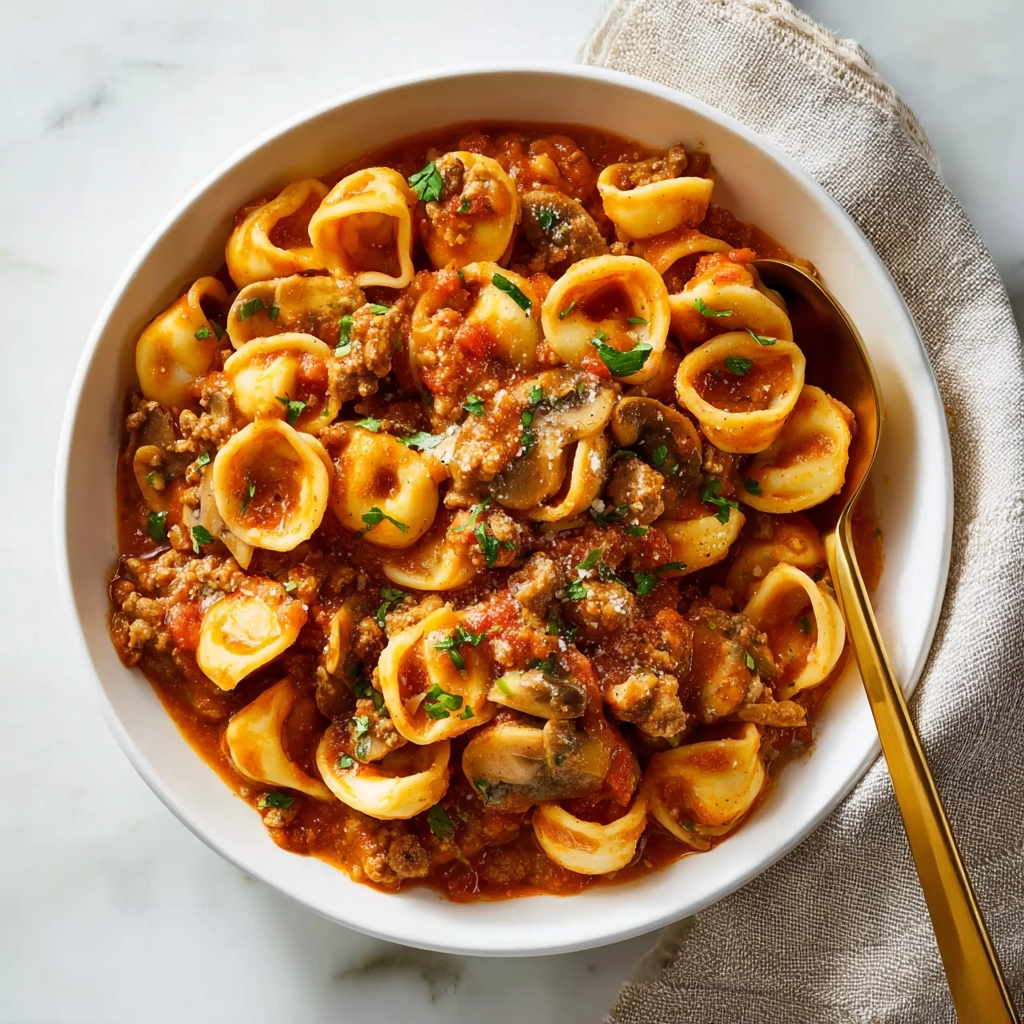
A comforting bowl of taco pasta delivers bold flavor, creamy sauce, and an easy clean-up routine, making it a favorite for weeknight meals. This dish blends classic taco ingredients with tender pasta for a hearty one-pot dinner. Thanks to its short cook time, simple method, and pantry-friendly ingredients, it satisfies cravings quickly and consistently. Because readers often want fast meals with strong flavor, this recipe offers a reliable option anyone can master. In this guide, you’ll learn how taco pasta works, how to improve the texture, how to keep it creamy, and how to adapt it for different needs.
Understanding Taco Pasta
Why Taco Pasta Works as a One-Pot Meal
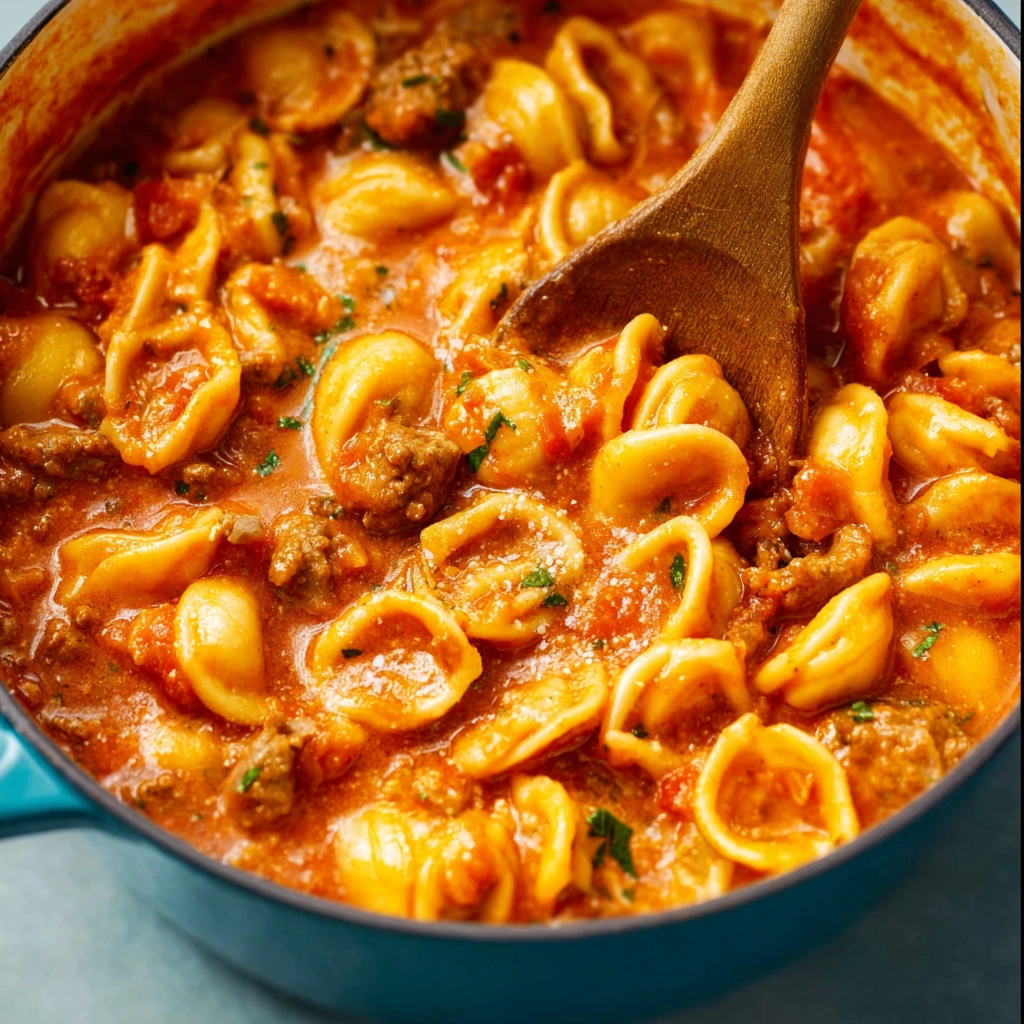
Taco pasta succeeds as a one-pot dish because the pasta cooks directly in the sauce. This allows the starch to thicken the mixture naturally, creating a creamy base without extra steps. Cooking everything in one pot also keeps the flavors concentrated. As the pasta simmers, it absorbs the spices, broth, tomatoes, and chilies, which leads to a full-bodied taste that resembles a classic taco filling transformed into a pasta dinner. Using both beef and shredded cheeses supports richness while still keeping the meal straightforward.
Key Flavor Elements in Taco Pasta
Every bowl of taco pasta relies on a few essential components that bring balance and depth. Taco seasoning adds warm spices such as chili powder and cumin, while Rotel tomatoes contribute acidity and mild heat. Broth adds savory depth, and milk brings smoothness. Combining three types of cheese gives the sauce a creamy body that melts easily without becoming grainy. When these elements blend, the result is a creamy taco-inspired sauce that coats pasta shells perfectly. Because each ingredient plays a specific role, following these core components helps maintain consistent texture and flavor.
Print
Taco Pasta
- Total Time: 30 minutes
- Yield: 6 servings 1x
Description
This Creamy Taco Pasta Recipe is a 30 minute meal that you can make in one pot! Pasta shells are smothered in cheesy taco sauce with ground beef and tomatoes.
Ingredients
1 cup Cheddar cheese, shredded
1 cup Monterey Jack Cheese, shredded
4 oz. Velveeta cheese, cut into cubes (equal to 1/3 cup)* can sub with ¾ cup shredded cheese
1 lb. Ground Beef, 85% lean
1 Tablespoon Butter
2 cloves Garlic, minced
1 oz. packet Taco Seasoning
1 Tablespoon Worcestershire sauce
2 Tablespoons Tomato paste
1 cup Beef broth
1 cup Chicken broth
1 cup Whole milk, at room temp
1 (10 oz.) can Rotel Tomatoes with green chilies, undrained
½ lb. Medium pasta shells, see notes
Instructions
1. Shred the cheddar and Monterey Jack cheese from a block and set aside. It should be near room temperature when added to the pasta sauce.
2. Cook and crumble the ground beef over medium-high heat in a high-walled pot or dutch oven. Drain grease.
3. Melt the butter in the same pot and add the garlic. Cook for 1 minute.
4. Add all remaining ingredients except the cheese and pasta. Stir to combine.
5. Bring to a gentle boil. Add the pasta and submerge it in the liquid. Cover and cook according to package instructions. Slide a silicone spatula along the bottom of the pot halfway through to lift any ingredients that may be settling.
6. Remove cover and ensure the pasta is cooked. If needed, cook longer until desired doneness.
7. Turn heat to low. Gradually stir in cheese until melted.
8. Let stand to thicken, then serve.
Notes
There will be extra sauce at first, but it thickens quickly as the pasta absorbs it.
- Prep Time: 5 minutes
- Cook Time: 25 minutes
- Category: Dinner
- Method: One Pot
- Cuisine: American
Building the Perfect Sauce
Choosing the Right Spices and Seasonings
A great taco pasta sauce depends on seasoning that delivers warmth without overpowering the dish. Traditional taco seasoning packets offer an easy way to add bold flavor, which helps home cooks create reliable results. Worcestershire sauce deepens the savory base and boosts umami. Tomato paste adds concentrated richness and helps the sauce cling to the pasta. The combination of beef broth and chicken broth creates a balanced savory foundation. Gentle simmering blends these flavors smoothly, making every spoonful consistent.
How to Create a Creamy Texture
A creamy sauce requires proper melting and timing. Adding cheese at low heat prevents separation and creates a smooth finish. Room-temperature shredded cheeses melt evenly, so shredding them from a block improves quality. Velveeta adds extra creaminess that helps the sauce stay silky even as it cools. Because pasta absorbs liquid naturally, the sauce must start slightly looser than expected. As the dish rests, it thickens into the ideal consistency. This approach ensures every serving is creamy without becoming overly thick.
Cooking Pasta in One Pot
How to Cook Pasta Directly in Sauce
Cooking pasta in the same pot as the sauce reduces dishes and increases flavor. Submerging dry pasta shells in the liquid allows them to cook evenly while releasing starch into the sauce. Stirring halfway through prevents sticking and keeps ingredients from settling. Gentle boiling is the best approach because it protects the sauce from burning. The pasta releases just enough starch to thicken the mixture naturally, which means no extra cream or roux is required.
Tips for Achieving Perfect Doneness
Checking pasta a few minutes before the package time helps avoid overcooking. Shells should feel tender with a slight bite. If the liquid reduces too quickly, small additions of broth help maintain proper simmering. Once the pasta reaches the desired texture, turning the heat to low prepares the dish for cheese. Adding cheese too early may cause clumping, so timing matters. Allowing the pasta to rest after cooking lets it absorb excess sauce and reach the best consistency for serving.
Variations and Add-Ins
Protein Options and Substitutions
Ground beef gives traditional taco pasta a classic flavor, but several alternatives work equally well. Ground turkey makes the dish lighter while still providing structure. Ground chicken offers a mild taste that highlights the seasonings. For a meatless option, black beans or plant-based crumbles work with the same cooking method. Browning whichever protein you choose creates depth and prevents a flat-tasting sauce. Because the recipe is adaptable, home cooks can adjust the protein to match their preferences.
Customizing Heat, Texture, and Extras
The heat level adjusts easily based on ingredient choice. Mild Rotel keeps the dish family-friendly, while hot varieties bring stronger spice. Fresh jalapeños, chili flakes, or chipotle powder can intensify warmth. To add texture, corn or black beans integrate well with the taco flavors. Bell peppers bring color and sweetness, while cilantro adds brightness at the end. Toppings such as sour cream, crushed tortilla chips, or sliced green onions add contrast. These additions allow taco pasta to suit a wide range of tastes without altering the core recipe.
Serving and Storing Taco Pasta
Best Ways to Serve Taco Pasta
Taco pasta tastes best when served warm, soon after the sauce thickens. Because the flavors resemble taco fillings, toppings make the dish feel complete. A sprinkle of extra cheese melts slightly on contact. A spoonful of sour cream cools the spice. Avocado adds creaminess, and green onions bring freshness. The dish pairs well with simple sides such as crisp salad or roasted vegetables. Serving it family-style keeps the meal casual and approachable.
How to Store and Reheat Leftovers
Leftover taco pasta stores well when cooled fully and placed in an airtight container. Refrigerated portions keep their quality for up to three days. The pasta continues to absorb sauce during storage, so reheating with a splash of broth or milk restores creaminess. Gentle warming on the stove prevents the sauce from separating. For freezer storage, leaving out the extra toppings helps maintain texture. The dish reheats successfully because the sauce contains enough body to stay smooth.
FAQ
Can I use a different pasta shape?
Yes. Short shapes like elbows, rotini, or mini penne work well because they hold the creamy sauce.
How spicy is taco pasta?
The heat depends on the Rotel and taco seasoning. Mild versions keep it gentle, while hot varieties increase spice.
Can I make taco pasta ahead of time?
Yes. Prepare the dish, cool it fully, and add a little liquid during reheating to regain creaminess.
Can I freeze taco pasta?
Yes. Store it in airtight containers and reheat gently with added broth or milk.
Can I make this without cheese?
You can reduce cheese or use dairy-free alternatives, though the sauce will be less creamy.
Discover more delicious recipes by following me on Facebook and Pinterest.