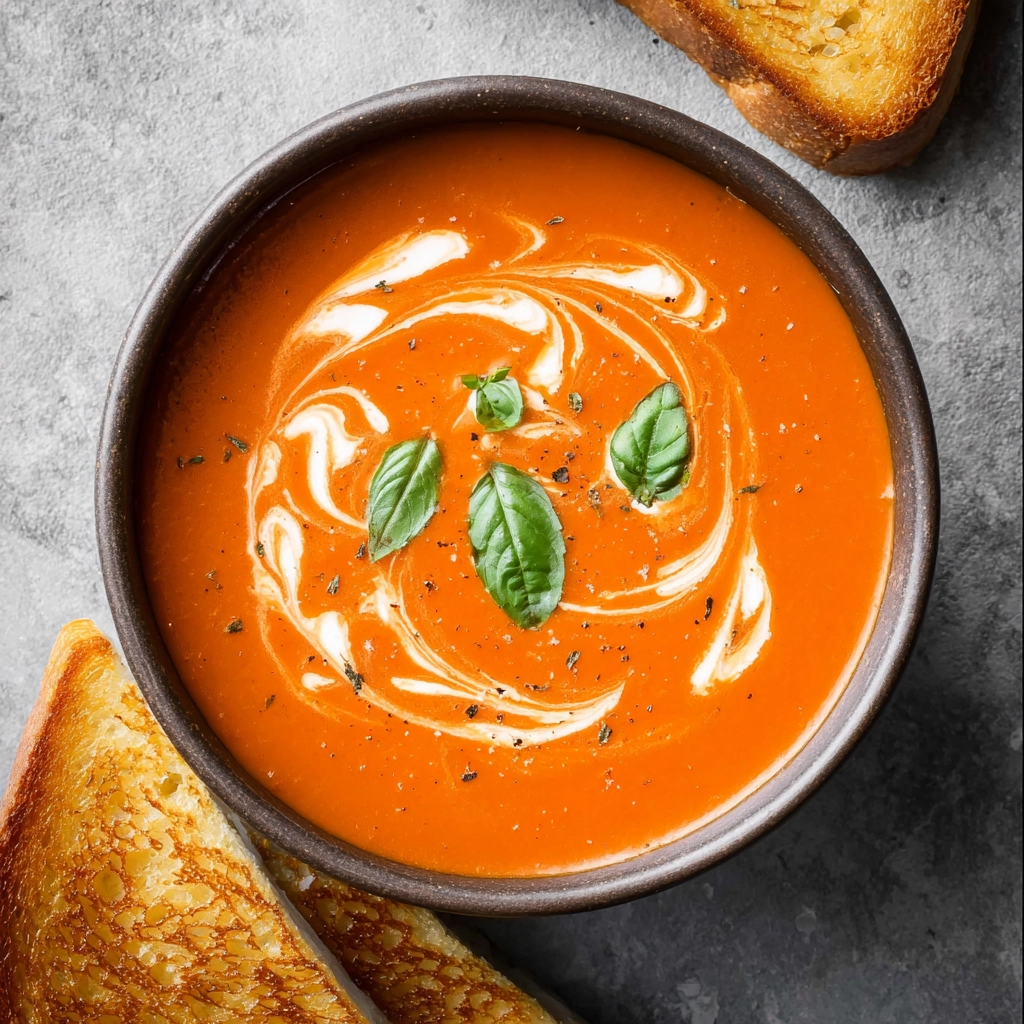
A warm bowl of homemade tomato soup satisfies in a way few dishes can. Because this recipe uses roasted tomatoes, garlic, basil, and a silky finish, the flavor turns deep, smooth, and irresistibly comforting. Many top-ranking resources highlight the importance of roasting, blending well, and balancing acidity, and this article brings those insights together in a simple, practical guide. You’ll learn how to make tomato soup with rich color, balanced sweetness, and the satisfying texture people crave. Throughout the steps, you’ll also find helpful tips inspired by leading recipe sites, making this delicious soup easier than ever.
Mastering Homemade Tomato Soup
The Power of Roasting for Homemade Tomato Soup
Roasting tomatoes remains one of the most effective ways to create incredible flavor. Because heat pulls moisture from the tomatoes and concentrates their natural sweetness, every spoonful tastes richer. This step appears across top results, and for good reason: roasted tomatoes deliver a deeper taste and a vivid aroma. When combined with onion and garlic, the mixture develops a caramelized edge. This forms the foundation for a soup that stands far above anything canned. As the vegetables soften and brown, they create a smooth blend that feels both bold and comforting. This simple step also ensures the soup stays vibrant without relying on unnecessary additives.
Why Basil Complements Roasted Tomato Basil Soup
Fresh basil plays a major role in a great pot of roasted tomato basil soup. Its bright fragrance offsets the mild acidity of tomatoes and adds an herbal sweetness that many people associate with classic tomato dishes. While dried basil can work in a pinch, fresh basil gives the soup a clean, garden-fresh lift. When blended together, basil and roasted tomatoes create a balanced flavor profile that feels satisfying from the first bite to the last. The herb blends seamlessly into the mixture, helping the soup achieve a smooth texture and warm aroma every time. This combination also creates a restaurant-style finish without extra effort.
Print
Homemade Tomato Soup
- Total Time: 50 minutes
- Yield: 8 servings 1x
Description
The best homemade tomato soup recipe – fresh tomatoes, onions and garlic are roasted then blended with fresh basil for a rich & flavorful, smooth & creamy tomato soup.
Ingredients
3 pounds tomatoes (fresh, cut into 2” pieces)
½ onion (diced, 1 cup)
5 cloves garlic (peeled and chopped)
2 Tablespoons olive oil
½ teaspoon fine sea salt
¼ teaspoon black pepper (freshly ground)
¼ cup fresh basil
2 Tablespoons salted butter
2 Tablespoons all-purpose flour
1 Tablespoon granulated sugar
1 quart vegetable broth
¼ to ½ cup heavy cream (optional)
Instructions
1. Preheat oven to 450°F and lightly grease a large baking sheet.
2. Combine tomatoes, onion, garlic, olive oil, salt and pepper.
3. Spread mixture onto the baking sheet and roast 15 minutes.
4. Stir and roast 15 more minutes, broiling the last 2–3 minutes to char.
5. Transfer roasted mixture to a blender and add basil.
6. Blend on high 1 minute until smooth.
7. Melt butter in a large pot and whisk in flour to form a roux.
8. Add broth and sugar, whisk until smooth.
9. Add blended tomato mixture, whisk, and simmer 15 minutes.
10. Add cream if desired, season, and serve.
Notes
Canned tomatoes work well.
Avocado or canola oil substitute for olive oil.
Unsalted butter works.
Gluten-free flour substitutes well.
Honey or brown sugar replace granulated sugar.
Chicken broth substitutes for vegetable broth.
- Prep Time: 5 minutes
- Cook Time: 45 minutes
- Category: Appetizer, Main Course, Side Dish, Soup
- Method: Roasting, Blending, Simmering
- Cuisine: American, Italian
Nutrition
- Serving Size: 1 cup
- Calories: 111
- Sugar: 7g
- Sodium: 653mg
- Fat: 7g
- Saturated Fat: 2g
- Carbohydrates: 12g
- Fiber: 2g
- Protein: 2g
- Cholesterol: 8mg
Building Flavor Step by Step
Creating a Smooth and Creamy Tomato Soup Base
A good homemade tomato soup needs a well-built base, and that begins with a simple roux. Melting butter and whisking it with flour takes less than a minute, yet it changes everything. This mixture thickens the soup gently, making every ladle luxurious without feeling heavy. Once the roux bubbles and lightly browns, vegetable broth and sugar blend in to create an even consistency. This step ensures the soup feels silky rather than watery, a detail consistently emphasized by trusted recipe authors. Each element mixes smoothly, giving the roasted tomatoes a stable structure. By controlling consistency early, you guarantee a smooth finish later.
Blending Technique for a Superior Homemade Tomato Soup
Your blending method directly affects the texture. High-powered blenders produce the creamiest results, and top-performing recipes agree that this step should never be rushed. After roasting, the tomatoes, onions, and garlic go straight into the blender. Adding basil at this stage ensures that its flavor fully incorporates. Blending for at least a minute creates a velvety texture with no chunks. Scraping the baking sheet into the blender lifts all the caramelized bits, which adds irresistible depth. This technique delivers a vibrant color and a smooth blend every time. Taking these extra steps makes the difference between good soup and a stunningly smooth one.
Tips from Top Homemade Tomato Soup Recipes
Balancing Sweetness and Acidity
Tomatoes vary in sweetness, so many successful recipes include a touch of sugar. This isn’t meant to make the soup sugary; it simply rounds out the acidity. When you roast tomatoes, their flavor concentrates, and sugar brings balance to the deeper notes. If your tomatoes lean tart, the sugar softens that sharpness without overpowering the other ingredients. This technique appears throughout top search results because it consistently improves flavor. Adding just the right amount creates a harmonious blend between savory, sweet, and aromatic tones, keeping the soup enjoyable from start to finish.
Deciding Whether to Add Cream
Heavy cream transforms homemade tomato soup into a richer, smoother dish. While optional, it’s a popular technique for achieving a softer finish. Some recipes suggest using half-and-half or whole milk for a lighter version, and these alternatives provide a creamy effect without overpowering the tomatoes. When added slowly, cream integrates beautifully into the warm mixture. This step creates a comforting feel that many people love, especially when serving soup as a main dish. Because cream thickens during simmering, the soup becomes smooth and cohesive, making every bowl taste satisfying and balanced.
Perfecting Texture, Storage, and Customization
Achieving the Ideal Texture Every Time
Consistency makes a noticeable difference. A smooth soup requires proper blending and gentle simmering. Letting the mixture simmer for at least fifteen minutes helps all ingredients settle into a full, rounded flavor. During this process, the texture shifts from thin to creamy without becoming too dense. Stirring regularly prevents sticking and helps the flavors combine evenly. Top-ranking resources emphasize that gentle heat matters, so avoid boiling. When the soup reaches a silky texture, it coats a spoon lightly and feels smooth. These small choices lead to an impressive final result.
How to Store, Freeze, and Reheat Homemade Tomato Soup
Homemade tomato soup stores beautifully, which is another reason it remains a popular meal-prep favorite. In the refrigerator, it stays fresh for up to five days when placed in an airtight container. For longer storage, freezing works perfectly. Many trusted sources suggest freezing individual portions so reheating becomes effortless. Frozen soup lasts up to two months and maintains its flavor well. To reheat, thaw the container overnight in the refrigerator and warm it in a pot over medium-low heat. Stir slowly until fully heated. This method preserves the creamy consistency and prevents scorching.
Smart Ingredient Swaps and Serving Ideas
Simple Ingredient Substitutions That Work
Ingredient substitutions give you flexibility without affecting quality. In high-ranking guides, canned tomatoes often appear as a recommended alternative when fresh tomatoes are out of season. Avocado oil or canola oil works well if you run out of olive oil. Unsalted butter offers the same flavor control as salted butter, and gluten-free flour blends create a roux that thickens beautifully. Honey or brown sugar can replace granulated sugar when you need a deeper sweetness. Chicken broth substitutes for vegetable broth if you prefer a heartier base. Even whole milk or half-and-half can stand in for heavy cream for a lighter version.
Serving Suggestions for Homemade Tomato Soup
Serving homemade tomato soup invites endless possibilities. Fresh basil on top reinforces the vibrant aroma. Croutons bring crunch and contrast. A drizzle of cream gives a decorative swirl. Grilled cheese pairs naturally with tomato soup because the crisp bread and melted cheese match its creamy texture perfectly. Toasted baguette slices or parmesan crisps also add a pleasant bite. Many top-ranking websites recommend keeping garnishes simple so the roasted tomato flavor stays at the center. Whether served as an appetizer, side dish, or main course, the soup delivers warmth and comfort in every bowl.

Frequently Asked Questions
Can homemade tomato soup be made ahead of time?
Yes, it stores and reheats very well, making it ideal for meal prep.
Can I freeze tomato soup with cream in it?
Yes, though stirring well after reheating helps restore its smooth texture.
Do I need to peel the tomatoes first?
Roasting and blending eliminate the need for peeling.
Can I use dried basil instead of fresh?
You can, but fresh basil creates a brighter and more aromatic flavor.
What type of tomatoes works best?
Roma, vine-ripened, or garden tomatoes offer the best flavor and texture.
Conclusion
Homemade tomato soup brings together fresh tomatoes, roasted vegetables, smooth blending, and fragrant basil to create a bowl filled with warmth and depth. With thoughtful steps inspired by top-ranking results—roasting, balancing sweetness, and blending well—the soup becomes both rich and comforting. Because it stores beautifully and adapts to many ingredient substitutions, it remains a reliable dish for busy nights, relaxed weekends, or cozy gatherings. Every spoonful reflects the simple pleasure of fresh ingredients prepared with care.
Discover more delicious recipes by following me on Facebook and Pinterest.