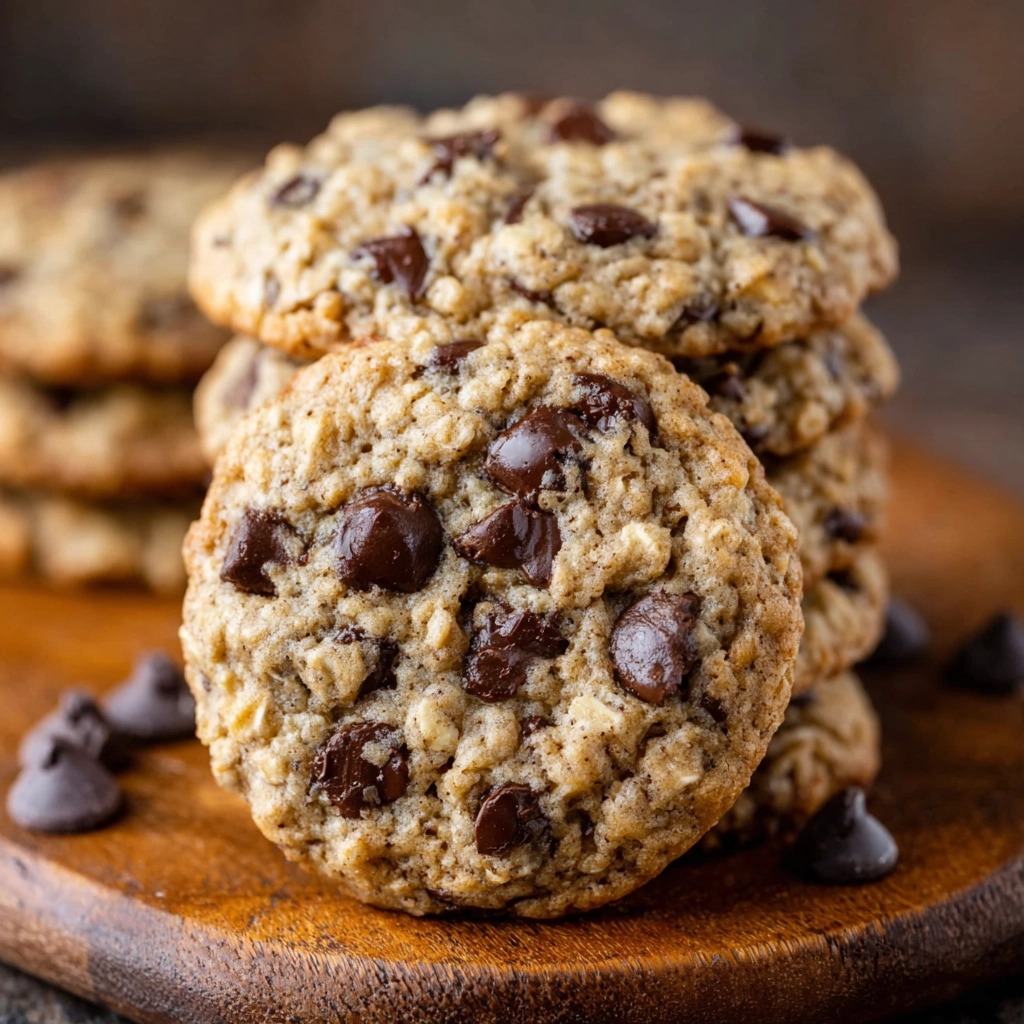
Before we dive into the first part, let me share what this article covers. You’ll find a warm story about chewy oatmeal cookies, followed by a step-by-step guide that walks you through ingredients, mixing methods, baking tips, and ways to personalize your batch. You’ll also learn what makes chewy oatmeal cookies different from other oatmeal desserts and how simple choices in your kitchen shape that chewy texture. Each section supports the focus keyword naturally, helps you bake with confidence, and offers clear details to guide your process from start to finish.
Chewy Oatmeal Cookies and the Story Behind Their Comfort
Memories That Shape Chewy Oatmeal Baking
Why Chewy Oatmeal Cookies Feel Like Home
I still remember the first time I baked chewy oatmeal cookies on my own. I stood in a small kitchen with a bowl that felt far too heavy and oats that scattered across the counter. Even though I had made other oatmeal desserts before, these chewy oatmeal cookies felt different. They were warm, soft, and sweet in a way that stayed with me. Every time I make them now, I return to that moment when baking felt like a new adventure, even though the recipe was simple.
When you bite into chewy oatmeal cookies, you taste more than oats and sugar. You feel the comfort that only a home-style cookie can bring. It’s the kind of comfort that shows up on a rainy day, when the kitchen lights glow and you’re waiting for a tray of cookies to cool. These cookies fill the space with a calm, sweet scent. They make the kitchen feel alive. That’s why chewy oatmeal cookies hold such a strong place in my mind. They’re easy to mix, easy to bake, and easy to share.
I love how the dough behaves. It comes together with smooth butter, soft brown sugar, and oats that add a rustic touch. The way the ingredients mix feels steady and familiar. This texture helps the cookies stay chewy after baking. Each element plays a role, but oats shape the final feel of the cookies. Even when you explore other oatmeal desserts, nothing delivers the same tenderness as chewy oatmeal cookies. They keep their shape, stay soft inside, and offer a sweet bite from edge to center.
Every time I bake them, I think about how a simple recipe can change the mood of a day. With chewy oatmeal cookies, the process matters almost as much as the taste. You mix, chill, scoop, and bake, and each step gives you a moment to slow down. These cookies remind me that baking doesn’t need to be complicated. It only needs to feel real. And these chewy oatmeal cookies always do.
Print
Chewy Oatmeal Cookies
- Total Time: 1 hour 32 minutes
- Yield: 24 cookies 1x
Description
Soft and chewy oatmeal cookies with rich brown sugar flavor and flexible mix-in options.
Ingredients
1 ½ cups (186g) all-purpose flour
1 teaspoon ground cinnamon
1 teaspoon salt
1 teaspoon baking soda
1 cup (226g) unsalted butter softened
1 ½ cups (300g) packed brown sugar
2 large eggs
1 teaspoon vanilla extract
3 ¼ cups quick cooking oats
1 ½ cups mix-ins (optional)
Instructions
1. In a medium bowl, whisk cinnamon, salt, baking soda, and flour.
2. Cream butter and sugar until smooth, then beat in eggs and vanilla.
3. Mix in dry ingredients gently, then fold in oats and mix-ins.
4. Scoop dough into balls and chill for at least 30 minutes.
5. Preheat oven to 350°F and line baking sheets.
6. Bake 10–12 minutes until edges turn golden.
7. Cool on sheet 10 minutes, then transfer to rack.
Notes
Use chocolate chips, raisins, nuts, or candies.
Chill dough to support soft texture.
Store airtight for up to 4 days or freeze for 2 months.
- Prep Time: 20 minutes
- Cook Time: 12 minutes
- Category: Dessert
- Method: Baking
- Cuisine: American
Nutrition
- Serving Size: 1 cookie
Building Flavor in Chewy Oatmeal Cookies
How Ingredients Shape the Texture
Simple Choices That Strengthen Chewy Oatmeal Baking
When you look closely at chewy oatmeal cookies, the flavor starts with brown sugar. Its sweet depth creates the rich base that sets these cookies apart from other oatmeal desserts. Brown sugar adds moisture that supports the chewy texture. Combined with butter, the dough becomes smooth, which makes each bite soft and pleasant. These building blocks guide the feel of chewy oatmeal baking from the start.
Flour adds stability, but not too much. The right balance keeps the cookies soft while preventing them from spreading too far. Cinnamon joins in to provide warmth. It brings a gentle spice that works well with oats. Even a small amount changes the flavor of the final cookie. Salt keeps everything balanced. Vanilla adds a sweet note that lifts the dough.
Oats add structure. They absorb moisture and release it slowly as the cookies bake. This is why chewy oatmeal cookies stay tender longer than many other oatmeal desserts. Quick oats blend well into the dough, making the texture even. They bring a hearty character without making the cookies feel heavy.
Mix-ins give you freedom. You can fold in chocolate chips for sweetness, raisins for a classic touch, or nuts for a bit of crunch. You can also use candies if you want color and fun. Every mix-in adds personality. You never lose the core flavor of chewy oatmeal cookies. You only add interest.
The chill time sets the stage for success. When you chill the dough, the fat firms up. This keeps the cookies from spreading too quickly. It makes the center stay soft while the edges turn lightly golden. Chewy oatmeal baking depends on this step. Each moment in the refrigerator helps the dough develop better flavor and better structure.
By choosing the right ingredients and giving the dough time to rest, you build layers of flavor that stay true to the spirit of chewy oatmeal cookies.
Mixing Techniques That Support Chewy Oatmeal Cookies
How Proper Mixing Protects Texture
Steps That Keep the Dough Smooth and Balanced
Baking chewy oatmeal cookies starts with creaming the butter and brown sugar. This step makes the dough airy. When the butter softens and blends with sugar, the mixture becomes smooth. This smooth base allows the eggs and vanilla to blend evenly. Each step supports the strong chew that defines these cookies. When the wet mixture comes together, it should feel creamy and light.
Dry ingredients need their own moment. When you whisk flour, cinnamon, baking soda, and salt together, you prepare them for even distribution. This small step protects the dough from clumps. It also prevents surprises in the final cookie. Even mixing keeps the shape and texture consistent.
Once the dry ingredients join the wet mixture, mix only until combined. Over-mixing toughens cookies. You want chewy oatmeal cookies, not firm ones. Slow your pace here. As soon as the dough looks even, stop. Then add the oats. They fold in easily and bring structure that supports the final bite.
Mix-ins come last. Stir them gently so they don’t crush the dough. You can add chocolate, nuts, raisins, or colorful candies. These extra pieces fit well into the soft dough without interrupting the chewy center.
Now comes the important part: chilling. Chill the dough for at least thirty minutes. This step is key in chewy oatmeal baking. Chilled dough bakes slower. The cookies spread at the right rate, keeping their centers soft. This slow spread also creates the classic golden edge.
When you scoop the chilled dough onto the sheet, give each portion space. As they bake, they grow outward. Bake until the edges turn golden. The tops should look set, not glossy. Remove the tray and let the cookies rest before moving them. This pause finishes the bake gently and keeps the texture soft.
These steps create chewy oatmeal cookies with reliable texture, balanced flavor, and a sweet center you’ll return to again and again.
Customizing Chewy Oatmeal Cookies
Flavor Twists That Match Your Mood
How to Personalize Oatmeal Desserts Without Losing Chewiness
One of the best parts of baking chewy oatmeal cookies is the freedom to customize. You can choose ingredients that match your mood, your season, or what you have in your pantry. Each variation begins with the same dependable dough. This dough offers a steady base that embraces new flavors without losing the soft center that makes chewy oatmeal cookies so satisfying.
If you want a classic taste, raisins remain a favorite. They soften during baking and blend with cinnamon. If you want something sweet and rich, chocolate chips will work well. They melt slightly inside the cookie and add smooth sweetness to the chewy center. Nuts offer crunch. Almonds, pecans, or walnuts bring texture that contrasts the tender base.
Candies add fun. If you’re baking for a group, colorful pieces make the cookies stand out. They add a cheerful look to the batch while keeping the structure strong. You can even mix more than one addition. Just keep the total amount steady so the dough stays manageable.
You can adjust the flour too. You may use whole wheat flour for part of the mix. This adds a slightly earthy flavor that works well with oats. You may also use gluten-free 1:1 flour. The dough remains stable, and the chew stays true. Vegan butter alternatives also work. They blend well with sugar and help create a similar texture.
You can change the size of the cookies as well. Small cookies bake quickly. Large cookies stay soft longer. You can even bake the dough as a cookie cake or press it into a pan for bar cookies. These options give you flexibility for any event.
Every choice expands your baking experience without shifting away from the charm of chewy oatmeal cookies. You remain in control while the dough adapts to your needs.
Troubleshooting and Perfecting Chewy Oatmeal Cookies
What to Do When the Texture Shifts
Tips That Strengthen Your Chewy Oatmeal Baking Routine
Even with clear steps, chewy oatmeal cookies sometimes behave in unexpected ways. If your cookies spread too far, the dough may not have chilled long enough. Chilling keeps the cookies steady in the oven. Give the dough more time. A firm dough holds its shape well and bakes into thick, chewy rounds.
If your cookies turn out firm instead of soft, the flour amount may be too high. A small reduction often fixes this. Over-mixing can also make them firm. Mix gently once the dry ingredients meet the wet mixture. Each motion matters.
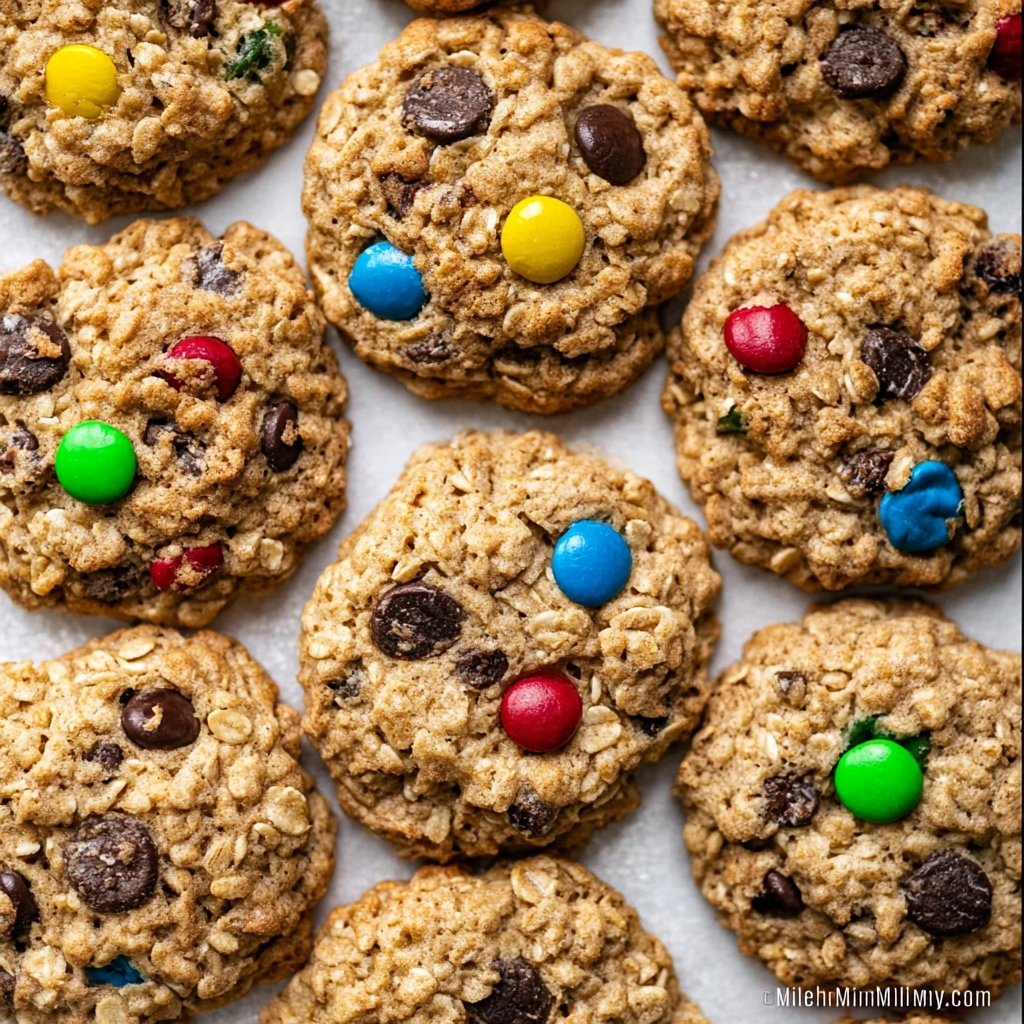
If the cookies taste too sweet, choose mix-ins with lower sweetness. Nuts help. Dark chocolate also balances brown sugar. If the cookies feel too dry, slightly increase the butter next time or make sure you measure oats correctly. Too many oats lead to dryness.
If you notice uneven baking, rotate the tray halfway through. Some ovens have hot spots. Rotating helps the cookies bake evenly. If the tops look pale but the bottoms darken, adjust the rack position. Move the tray to the center of the oven.
Storage affects texture too. Keep chewy oatmeal cookies in an airtight container. They remain soft for days. You can freeze them as well. The chewy quality stays strong after thawing. This makes them great for planning ahead.
Each small adjustment brings you closer to the perfect batch. Chewy oatmeal baking rewards patience. It also rewards curiosity. When you try again, you learn something new. These cookies guide you with every tray, showing you how small choices influence the final taste and texture.
FAQ
How do I keep chewy oatmeal cookies soft?
Use brown sugar, avoid over-mixing, and store them in an airtight container.
Why chill the dough?
Chilling keeps the cookies from spreading too quickly, which supports the soft center.
Can I freeze chewy oatmeal cookies?
Yes. They freeze well and stay chewy after thawing.
Why are my cookies dry?
Too many oats or too much flour may cause dryness. Measure carefully.
Can I use gluten-free flour?
Yes. A 1:1 gluten-free flour blend works well with this style of cookie.
Conclusion
Chewy oatmeal cookies offer comfort, flavor, and steady results. They blend simple ingredients with easy steps, and each batch invites you to enjoy a warm moment in your kitchen. With flexible mix-ins, dependable texture, and a soft center that tastes sweet from edge to edge, these cookies remain one of the most rewarding oatmeal desserts you can bake. Their charm never fades, and each tray feels like a fresh start.
Discover more delicious recipes by following me on Facebook and Pinterest.