
A batch of chewy homemade chocolate chip cookies always brings comfort, and this recipe proves why the classic treat remains so popular. Chewy centers, soft edges, and rich chocolate throughout make every bite feel warm and nostalgic. Because people search for soft, classic cookies that stay chewy, this guide focuses on simple techniques that produce reliable, delicious results every time.
What Makes Chewy Homemade Chocolate Chip Cookies Work
Understanding Soft Classic Cookies
Achieving that nostalgic chewy texture begins with balancing moisture and structure. Butter, brown sugar, and eggs work together to create a cookie that stays soft even after cooling. Brown sugar naturally adds moisture, helping the dough remain pliable and tender while giving the cookies their signature golden tone. Many bakers want cookies that stay soft for days, and consistent ratios ensure the texture remains dependable from batch to batch. Gentle mixing prevents tough dough and keeps the cookie light while still delivering a hearty bite.
The Role of Chewy Chocolate Chips
Semi-sweet chocolate chips melt into pools of smooth richness as the cookies bake. Their slight bitterness works well with the buttery dough, giving depth without overwhelming sweetness. Stirring the chips into the dough at the end preserves their shape and texture. When baked at the right temperature, the chips become gooey but not runny, creating perfect pockets of chocolate in the soft center. For even more character, optional walnuts add contrast and a subtle crunch, but they remain completely optional for those who prefer a smoother finish.
Print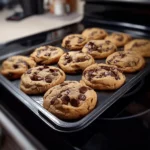
Chewy Homemade Chocolate Chip Cookies
- Total Time: 25 minutes
- Yield: 36 cookies 1x
- Diet: Vegetarian
Description
This homemade chocolate chip cookies recipe delivers perfectly chewy cookies with crispy edges, loaded with gooey chocolate chips and a buttery flavor. A classic favorite!
Ingredients
- 3 eggs
- 1 cup sugar
- 1 cup packed brown sugar
- 3 sticks real butter
- 3 cups flour
- 2 teaspoons vanilla extract
- Walnut pieces (optional, to taste)
- 1 ½ teaspoons baking soda
- 4 cups semi-sweet chocolate chips
- ¾ teaspoon salt
Instructions
- Preheat Your Oven: Set your oven to 375°F (190°C). A properly preheated oven ensures even baking and golden edges.
- Cream Butter and Sugars: In a large mixing bowl, combine the butter, sugar, and brown sugar. Beat until creamy and fluffy.
- Add Eggs and Vanilla: Add the eggs one at a time and pour in the vanilla. Mix until light and airy.
- Mix Dry Ingredients: Whisk together flour, salt, and baking soda. Add gradually to the wet mixture.
- Fold in Chocolate Chips and Nuts: Stir in chocolate chips and walnuts.
- Bake: Scoop dough onto a baking sheet and bake 8–10 minutes until edges are golden.
Notes
- Chill the dough for 30 minutes to enhance flavor and prevent spreading.
- Use unsalted, room-temperature butter for best results.
- Customize with dark chocolate or a sprinkle of sea salt.
- Prep Time: 10 minutes
- Cook Time: 10 minutes
- Category: Dessert
- Method: Baking
- Cuisine: American
Ingredients That Guarantee Chewy Results
The Power of Butter and Sugar Together
Real butter is essential for flavor and structure because it melts gradually, allowing the dough to set at the right time. Using both granulated sugar and brown sugar creates a balanced blend of crisp edges and soft centers. Brown sugar’s moisture naturally promotes chewiness, while granulated sugar adds lightness. This mix ensures the cookies spread just enough while maintaining their tender interior. Room-temperature butter blends smoothly with sugars, creating a fluffy base that traps air and provides lift without making the texture cakey.
Why Egg Quantity Matters
Eggs add richness, moisture, and slight elasticity, which help the dough hold together without becoming dense. Using three eggs in this recipe brings a pleasing softness that lasts for days, even after storage. Eggs also help emulsify the other ingredients, creating a smooth dough that bakes evenly. When combined with vanilla extract, the mixture becomes fragrant and warm, complementing the deep flavor of the chocolate. Whisking the eggs in one at a time prevents the dough from separating and keeps everything silky and cohesive.
Mixing Techniques for Perfect Chewy Dough
Creaming for Ideal Texture
Creaming butter and sugars properly greatly affects the final cookie. When butter blends with sugar, tiny air pockets form, giving the dough enough lightness to rise without becoming cakey. This step also contributes to crisp edges while protecting the soft, middle section. A smooth, pale mixture creates a stable base that allows dry ingredients to incorporate evenly later. Skipping this step or rushing it can result in flat, overly dense cookies lacking the gentle lift that defines classic chewy cookies.
Incorporating Dry Ingredients Correctly
Whisking the flour, baking soda, and salt separately keeps the dough balanced. Baking soda helps the cookies rise slightly and spread in a controlled way. Salt heightens flavor, making the sweetness more pronounced without becoming overwhelming. Gradually adding the dry ingredients prevents over-mixing, which can toughen the dough. Folding in chocolate chips and walnuts at the end helps maintain structure. A cookie scoop ensures consistent portions that bake evenly and prevents overly thick or thin results, making each cookie reliably soft.
Baking Tips That Create Soft, Chewy Cookies Every Time
The Right Temperature for the Best Spread
Preheating the oven to 375°F gives the cookies the quick initial heat they need to set the edges while keeping the interior soft. The slightly higher baking temperature helps the cookies maintain a chewy center without becoming crisp all the way through. Lining baking sheets with parchment paper makes cleanup easy and prevents sticking or excess browning underneath. Spacing the dough properly allows heat to circulate evenly, ensuring each cookie bakes at the same pace without crowding or merging.

Avoiding Overbaking for Ideal Texture
Removing the cookies at the first sign of golden edges keeps the centers soft as they continue cooking from residual heat on the baking sheet. Leaving them in the oven for even one extra minute can shift the texture toward crisp instead of chewy. Because the cookies finish baking after they’re removed, timing becomes a key factor. Allowing the cookies to cool helps them firm up gently, holding the melted chocolate and buttery crumb together without drying out.
Enhancing Flavor and Ensuring Consistency
Chilling the Dough for Better Results
Chilling the dough for at least 30 minutes deepens the flavor and prevents spreading. As the butter solidifies, the dough holds its shape during baking, resulting in thicker, chewier cookies. Resting time also allows the flour to fully hydrate, producing a more cohesive texture. This step is particularly helpful for baking multiple batches because chilled dough keeps its structure even when handled repeatedly. Many bakers find that chilled dough delivers richer flavor due to the ingredients settling and melding fully.
Creative Variations for Classic Cookies
For a gourmet twist, dark chocolate chips add intensity, while a sprinkle of sea salt creates contrast with the buttery base. Adding chopped nuts brings depth and texture, but leaving them out keeps the cookies smooth and purely chocolate-forward. Adjusting sweetness or chocolate levels lets you personalize each batch without straying from the essential chewy structure. Storing the cookies in an airtight container helps maintain softness. If you prefer warm cookies later, heating one for a few seconds revives the melty chocolate and tender crumb beautifully.
FAQ
How do I keep chewy cookies soft for days?
Store them in an airtight container, and place a small piece of bread inside to maintain moisture without altering flavor.
Why did my cookies spread too much?
Warm dough or warm pans cause excessive spreading. Chilling the dough and using cool baking sheets help control shape.
Can I freeze cookie dough?
Yes. Scoop dough into portions, freeze on a tray, and transfer to a bag. Bake from frozen by adding one or two extra minutes.
Why are my cookies cakey instead of chewy?
Too much flour or over-mixing creates a cakey texture. Measuring flour properly and mixing gently ensures chewiness.
Can I reduce the sugar?
You may reduce sugar slightly, but keep in mind brown sugar is essential for chewiness, so avoid large reductions.
Conclusion
Chewy homemade chocolate chip cookies remain a timeless treat because they combine comfort, flavor, and texture in one irresistible bite. With balanced ingredients, proper mixing, and thoughtful baking techniques, you can create cookies that stay soft, chewy, and rich with melty chocolate chips. Using these simple steps ensures dependable results every time, making this recipe a staple you’ll return to again and again.
Discover more delicious recipes by following me on Facebook and Pinterest.