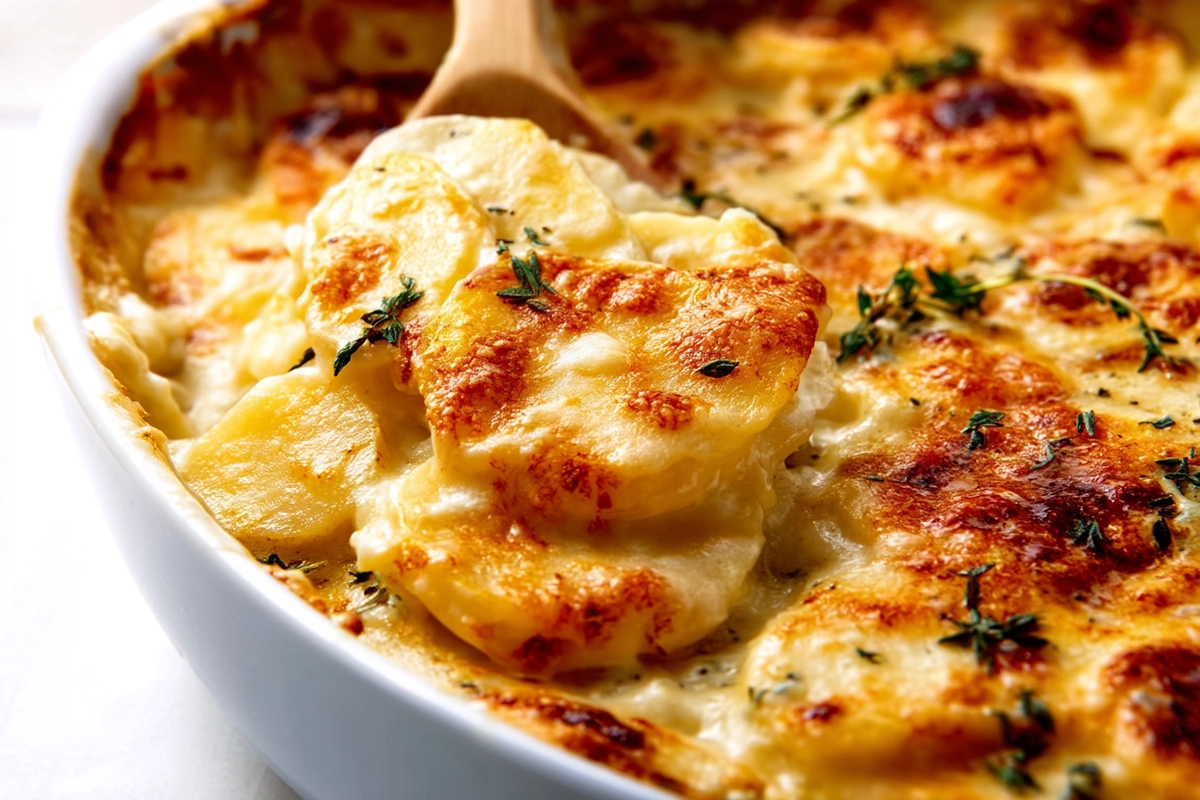
Scalloped potatoes are a classic side dish that has graced dinner tables for generations. This dish is loved for its creamy texture, rich flavor, and comforting nature, making it a go-to for family meals, holidays, and special occasions. Whether you’re preparing a simple weeknight dinner or a festive feast, scalloped potatoes offer the perfect balance of indulgence and simplicity.
In this guide, we’ll walk you through everything you need to know to make the best scalloped potatoes, from choosing the right ingredients to achieving the perfect texture. We’ll also explore variations and provide tips to help you troubleshoot any potential mishaps. Let’s dive into the world of scalloped potatoes and discover how to make this beloved dish even more irresistible!
Introduction to Scalloped Potatoes
What Are Scalloped Potatoes?
Scalloped potatoes are thinly sliced potatoes baked in a creamy sauce, often made with butter, milk, and flour. The dish is typically layered with cheese, but the defining feature is its rich, velvety sauce that envelopes each potato slice. The result is a golden, tender, and comforting dish that’s hard to resist.
The history of scalloped potatoes traces back to early American and European kitchens. While the exact origins remain debated, this dish became a staple because of its simplicity and ability to feed a crowd. Over time, it evolved, with chefs experimenting with different cheeses, herbs, and even vegetables.
Difference Between Scalloped Potatoes and Potatoes Au Gratin
At first glance, scalloped potatoes and potatoes au gratin might seem quite similar, but there’s one key difference. While both dishes feature sliced potatoes and a creamy sauce, potatoes au gratin typically includes a topping of grated cheese, while scalloped potatoes can be cheese-free or lightly layered with cheese. The main difference lies in the method of preparation and the addition of cheese, making au gratin a bit richer.
While both dishes are delicious, scalloped potatoes often have a more delicate, melt-in-your-mouth texture as they rely more on the sauce for flavor and moisture. It’s all about preference, and each version has its charm!
With the basics in mind, you’re ready to explore the essential ingredients that will bring your scalloped potatoes to life. Next, we’ll look at how to choose the right potatoes and build that irresistible creamy sauce.
Essential Ingredients for Perfect Scalloped Potatoes
To make the best scalloped potatoes, it’s important to choose the right ingredients. The key to a creamy, flavorful dish lies in selecting the best potatoes, creating a rich sauce, and adding the right seasonings. Let’s dive into the essentials.
Choosing the Right Potatoes
When it comes to scalloped potatoes, not all potatoes are created equal. The best potatoes for this dish are Yukon Golds or Russet potatoes.
Yukon Gold potatoes are creamy and smooth. They hold their shape well when baked, making them perfect for scalloped potatoes. Their naturally buttery flavor adds a rich taste to the dish.
Russet potatoes, on the other hand, are starchier. This means they tend to break down more, creating a softer, more velvety texture. They work well if you want a more mashed-potato-like consistency in your dish.
In general, both types work, but Yukon Gold will give you a more balanced texture and flavor.
Key Components of the Creamy Sauce
The creamy sauce is what makes scalloped potatoes stand out. It’s rich, smooth, and melts into the potatoes, making every bite irresistible.
-
Butter and Flour: These two ingredients form the base of the sauce. You begin by making a roux, which is simply butter and flour cooked together. This helps thicken the sauce.
-
Milk vs. Heavy Cream: You can use either milk or heavy cream for the sauce. Heavy cream will make the dish extra rich and creamy, while milk will make it lighter. If you want a balance of both, use half-and-half.
-
Seasonings: Simple seasonings like salt, pepper, and garlic will enhance the flavors of the potatoes. You can also add fresh herbs like thyme or rosemary for an earthy touch. Keep it simple, but don’t forget to taste as you go!
Optional Add-ins and Variations
While the classic scalloped potatoes recipe is delicious on its own, you can also get creative with extra ingredients.
-
Cheese: Adding cheese can make the dish even more indulgent. Cheddar, Gruyère, or even Parmesan can bring out a new level of flavor. Just sprinkle a little between the layers or on top before baking.
-
Vegetables: You can include vegetables like spinach or mushrooms to add color and a little extra nutrition. These pair well with the creamy sauce and make the dish feel even heartier.
By choosing the right potatoes and creating a rich, flavorful sauce, you set the foundation for a perfect batch of scalloped potatoes. Next, we’ll take a look at how to prepare the potatoes and sauce to ensure a smooth, creamy result.
Preparation Techniques for Scalloped Potatoes
Now that you have your ingredients ready, it’s time to start preparing your scalloped potatoes. This step is crucial to get that creamy texture and perfect flavor. We’ll cover slicing the potatoes, making the sauce, and assembling everything.
Slicing the Potatoes
The key to perfect scalloped potatoes is slicing them evenly. This ensures they cook at the same rate.
-
Mandoline Slicer: If you have a mandoline slicer, use it. It will help you get thin, even slices quickly. Aim for slices that are about 1/8 inch thick. This thickness allows them to cook through while still holding their shape.
-
No Mandoline? No Problem: If you don’t have a mandoline, use a sharp knife. Just make sure your slices are as even as possible. You can also try placing the potato on a cutting board, steadying it with one hand, and carefully slicing it with the other.
The goal is to have slices that are uniform in size to ensure even cooking.
Making the Creamy Sauce
Next up is the sauce. This is where the magic happens. The creamy sauce ties everything together, making each bite rich and flavorful.
-
Make a Roux: Start by melting butter in a pan over medium heat. Add flour and stir for a minute or two to make a paste. This paste helps thicken the sauce.
-
Add Milk or Cream: Gradually pour in your milk or cream, stirring constantly to keep the sauce smooth. You don’t want any lumps, so take your time here.
-
Season: Now, season your sauce with salt, pepper, and garlic. Add herbs like thyme if you like. Stir everything together, and let the sauce simmer for a few minutes until it thickens. It should coat the back of a spoon.
Taste the sauce! If it needs more seasoning, feel free to add a bit more salt or pepper.
Assembling the Layers
Once you have your sliced potatoes and creamy sauce ready, it’s time to layer everything together.
-
Layer the Potatoes: Start with a thin layer of potatoes at the bottom of your baking dish.
-
Add Sauce and Cheese: Pour some sauce over the potatoes, then sprinkle with cheese if you’re using it. Repeat this process, layering potatoes, sauce, and cheese until your dish is full. The final layer should be potatoes with sauce on top.
Make sure the sauce is spread evenly between each layer. This helps the potatoes cook evenly and absorb all the creamy goodness.
Now that your potatoes and sauce are layered beautifully, you’re ready to bake! In the next section, we’ll talk about how to bake your scalloped potatoes to get the perfect golden, bubbly finish.
Baking and Serving Scalloped Potatoes
Now that your scalloped potatoes are assembled, it’s time to bake them to perfection. Baking brings out the creamy texture and golden crust that makes this dish so irresistible. Here, we’ll go over the best way to bake and serve your dish.
Baking Tips
Baking your scalloped potatoes is all about getting that perfect balance of a soft interior and a crispy, golden top. Here’s how to do it right:
-
Cover the Dish: Start by covering the dish with aluminum foil. This helps the potatoes cook evenly and stay moist. Bake it in a preheated oven at 375°F (190°C) for about 45 minutes.
-
Uncover to Brown: After 45 minutes, take off the foil. Continue baking for another 15 to 20 minutes. This will give the top a nice golden-brown color and allow the edges to crisp up.
-
Check for Doneness: You’ll know the potatoes are done when a fork easily slides into the slices. If you find that they’re not tender enough, cover the dish again and bake for a little longer.
-
Rest Before Serving: Once your scalloped potatoes are done, let them rest for about 10 minutes. This helps the sauce set and makes it easier to serve.
Serving Suggestions
Scalloped potatoes are a rich and hearty side dish that pairs well with many main courses. Here are some great ideas:
-
Roast Chicken or Turkey: The creamy potatoes complement the flavors of roasted meats perfectly.
-
Grilled or Roasted Vegetables: For a lighter meal, serve your scalloped potatoes with some simple roasted vegetables, like carrots or broccoli.
-
Steak or Roast Beef: The rich, creamy texture of the potatoes goes beautifully with a juicy steak or roast beef.
If you want to make it even more special, consider adding a fresh salad or some crusty bread on the side.
Once everything is ready, serve your scalloped potatoes hot and enjoy the creamy goodness!
In the next section, we’ll dive into some fun and creative variations of scalloped potatoes that you can try to make this dish even more exciting.
Variations and Creative Twists for Scalloped Potatoes
While the classic recipe for scalloped potatoes is delicious on its own, there are many ways to get creative with this dish. You can add different flavors and textures to make it even more special. Let’s explore some fun twists on the traditional recipe.
Cheesy Scalloped Potatoes
If you love cheese, you can make your scalloped potatoes even more indulgent by adding a variety of cheeses. Here’s how:
-
Cheddar Cheese: A sharp cheddar adds a bold flavor that pairs perfectly with the creamy sauce. It also gives the dish a beautiful golden color as it melts.
-
Gruyère or Swiss: For a richer taste, try adding Gruyère or Swiss cheese. These cheeses melt well and give the dish a smooth, creamy texture.
-
Parmesan: Sprinkle some Parmesan cheese on top for a crispy, golden crust. It adds a nice salty flavor and extra texture.
Layer the cheeses between the potato slices or sprinkle them on top before baking for a cheesy, satisfying bite in every forkful.
Loaded Scalloped Potatoes
Why not take your scalloped potatoes to the next level? Add some delicious toppings to make them even more exciting. Here are a few ideas:
-
Green Onions: These add a fresh, mild onion flavor that balances out the richness of the cream.
-
Sour Cream: A dollop of sour cream on top can add a nice tanginess and make the dish even creamier.
-
Bacon: If you enjoy bacon, sprinkle some crispy bacon bits on top for extra crunch and a smoky flavor.
These loaded scalloped potatoes are perfect for a special occasion or just when you want to indulge a little.
Vegetarian and Health-Conscious Options
If you prefer a lighter or vegetarian version of scalloped potatoes, there are plenty of ways to make it healthier without sacrificing flavor.
-
Plant-Based Cream: Use almond milk, coconut milk, or other plant-based alternatives for the sauce. This will create a dairy-free version of scalloped potatoes while still keeping them creamy.
-
Vegan Cheese: If you’re following a vegan diet, you can substitute regular cheese with vegan cheese. There are plenty of options that melt well and taste great.
-
Add More Veggies: Consider adding vegetables like spinach, mushrooms, or even zucchini to your layers. These will add extra nutrients and flavors without making the dish too heavy.
With these simple changes, you can make a version of scalloped potatoes that fits your dietary preferences while still being delicious.
In the next section, we’ll cover some common problems you might face when making scalloped potatoes and how to fix them.
Troubleshooting Common Issues with Scalloped Potatoes
Sometimes, even with the best ingredients, scalloped potatoes can still face a few hiccups. But don’t worry! Most issues are easy to fix. Let’s go over some common problems and how to solve them.
Preventing Watery Scalloped Potatoes
One of the most common issues with scalloped potatoes is too much moisture. If the potatoes release too much water, the dish can become soggy. Here’s how to prevent that:
-
Don’t Overwash the Potatoes: When washing the potatoes, make sure not to rinse them too much. Excess water can make the dish too watery. Simply scrub the potatoes gently and slice them without over-soaking them.
-
Use Starchy Potatoes: As mentioned earlier, Russet potatoes are starchier and help thicken the sauce. They’ll hold up better and absorb less water than waxy potatoes like Red or New potatoes.
-
Precook the Potatoes: For extra protection against excess moisture, you can briefly cook the sliced potatoes in boiling water for 2-3 minutes before assembling the dish. This will help them release less water during baking.
Avoiding a Watery Sauce
If your sauce is too thin and doesn’t thicken up during baking, here’s what to do:
-
Make Sure the Roux Is Thick Enough: When making the roux, ensure that the butter and flour cook together long enough to form a paste. If the roux isn’t thick enough, your sauce will be too runny.
-
Simmer the Sauce Longer: If your sauce is too thin, let it simmer a bit longer on the stove before pouring it over the potatoes. This will help it thicken.
-
Add More Flour or Cornstarch: If the sauce isn’t thickening, mix a little extra flour or cornstarch with cold water and whisk it into the sauce. Let it simmer for a few minutes to thicken up.
Achieving the Perfect Texture
Achieving that perfect texture—creamy inside with a crispy top—can sometimes be tricky. Here’s how to ensure your scalloped potatoes come out just right:
-
Slice the Potatoes Evenly: Ensure the potato slices are uniform. This way, all the slices will cook evenly and at the same rate.
-
Bake at the Right Temperature: Make sure the oven is preheated to 375°F (190°C). A hot oven helps cook the potatoes through and gives them a nice golden color.
-
Rest the Dish Before Serving: After baking, let your scalloped potatoes rest for about 10 minutes. This allows the sauce to set, making it easier to serve and improving the overall texture.
With these tips, you can avoid common issues and achieve a flawless batch of scalloped potatoes every time. In the next section, we’ll answer some frequently asked questions to clear up any doubts you might have.
Frequently Asked Questions (FAQ)
Here are some common questions people ask about making scalloped potatoes. Let’s clear up any confusion and help you get the best results!
Can I Prepare Scalloped Potatoes Ahead of Time?
Yes! You can prepare the scalloped potatoes a day before.
-
Assemble the Dish: Layer the potatoes, sauce, and cheese, but don’t bake it yet. Cover it tightly and store it in the fridge.
-
Baking the Next Day: When you’re ready to bake, just take it out of the fridge. You may need to bake it a bit longer since it will be cold.
This makes it a great option for holiday meals or busy weeknights.
How Do I Store Leftover Scalloped Potatoes?
If you have leftovers, don’t worry!
-
Refrigerate: Let the potatoes cool down to room temperature before storing. Put them in an airtight container and refrigerate. They’ll last for about 3 to 4 days.
-
Freezing: You can also freeze scalloped potatoes. Wrap the dish in plastic wrap and aluminum foil. Then, store it in the freezer for up to 2 months. To reheat, bake it in the oven at 350°F (175°C) until heated through.
Can I Use Pre-Packaged Cheese Blends?
Yes, you can use prepackaged cheese blends. However, keep in mind that some pre-shredded cheeses contain anti-caking agents, which can affect the texture. Freshly grated cheese usually melts better and gives a smoother texture to the sauce.
If you’re in a rush, pre-shredded cheese will still work fine, but fresh cheese is always the best choice for the creamiest dish.
Now that we’ve covered the common questions, let’s wrap up what we’ve learned and offer some final thoughts in the conclusion.
Conclusion
Scalloped potatoes are a comforting and versatile dish that can be made in many ways. Whether you follow the classic recipe or add your twist, this dish is sure to please.
We’ve covered everything from choosing the right potatoes to baking and serving tips. We’ve also shared creative variations to suit different tastes. The most important thing is to enjoy the process and make it your own.
Don’t be afraid to experiment with different cheeses, herbs, or vegetables. With a little creativity, you can make the perfect scalloped potatoes for any occasion. So, go ahead and give it a try—you won’t regret it!
Remember, the key to great scalloped potatoes is layering the right ingredients, baking them to perfection, and most importantly, having fun in the kitchen. Enjoy!
Print
Best Scalloped Potatoes: A Creamy and Comforting Classic
5 Stars 4 Stars 3 Stars 2 Stars 1 Star
No reviews
- Author: Amanda Thompson
- Total Time: 1 hour 15 minutes
- Yield: 6 servings 1x
Description
Scalloped potatoes are a creamy, comforting dish made with thinly sliced potatoes baked in a rich sauce. It’s a favorite for family meals, holidays, and special occasions. This recipe will guide you to the perfect creamy texture and golden top every time.
Ingredients
-
4 large Yukon Gold potatoes (or Russet potatoes)
-
1/4 cup butter
-
1/4 cup all-purpose flour
-
2 cups milk (or heavy cream)
-
1 teaspoon garlic powder
-
1 teaspoon salt
-
1/2 teaspoon pepper
-
1/2 teaspoon dried thyme (optional)
-
1 cup shredded cheddar cheese (optional)
Instructions
-
Preheat the Oven: Set your oven to 375°F (190°C).
-
Prepare the Potatoes: Slice the potatoes into thin, even rounds (about 1/8 inch thick).
-
Make the Sauce: In a saucepan, melt butter over medium heat. Stir in flour and cook for 2-3 minutes to form a paste (roux).
-
Add Milk: Gradually pour in the milk (or cream), whisking constantly. Continue to cook until the sauce thickens, about 5 minutes.
-
Season the Sauce: Stir in garlic powder, salt, pepper, and thyme.
-
Layer the Potatoes: In a greased baking dish, layer half of the potato slices. Pour half of the sauce over them.
-
Add Cheese (optional): If using, sprinkle half of the cheese between layers. Add the remaining potatoes, sauce, and cheese on top.
-
Cover and Bake: Cover with aluminum foil and bake for 45 minutes.
-
Uncover and Brown: After 45 minutes, remove the foil and bake for an additional 15-20 minutes until the top is golden and crispy.
-
Rest and Serve: Let the potatoes rest for 10 minutes before serving.
Notes
-
You can add other cheeses like Gruyère or Parmesan for extra flavor.
-
For a vegetarian twist, skip the cheese or use plant-based cheese.
-
Consider adding vegetables like spinach or mushrooms between the layers for extra nutrition.
- Prep Time: 15 minutes
- Cook Time: 1 hour
- Category: Side Dish
- Method: Baking
- Cuisine: American