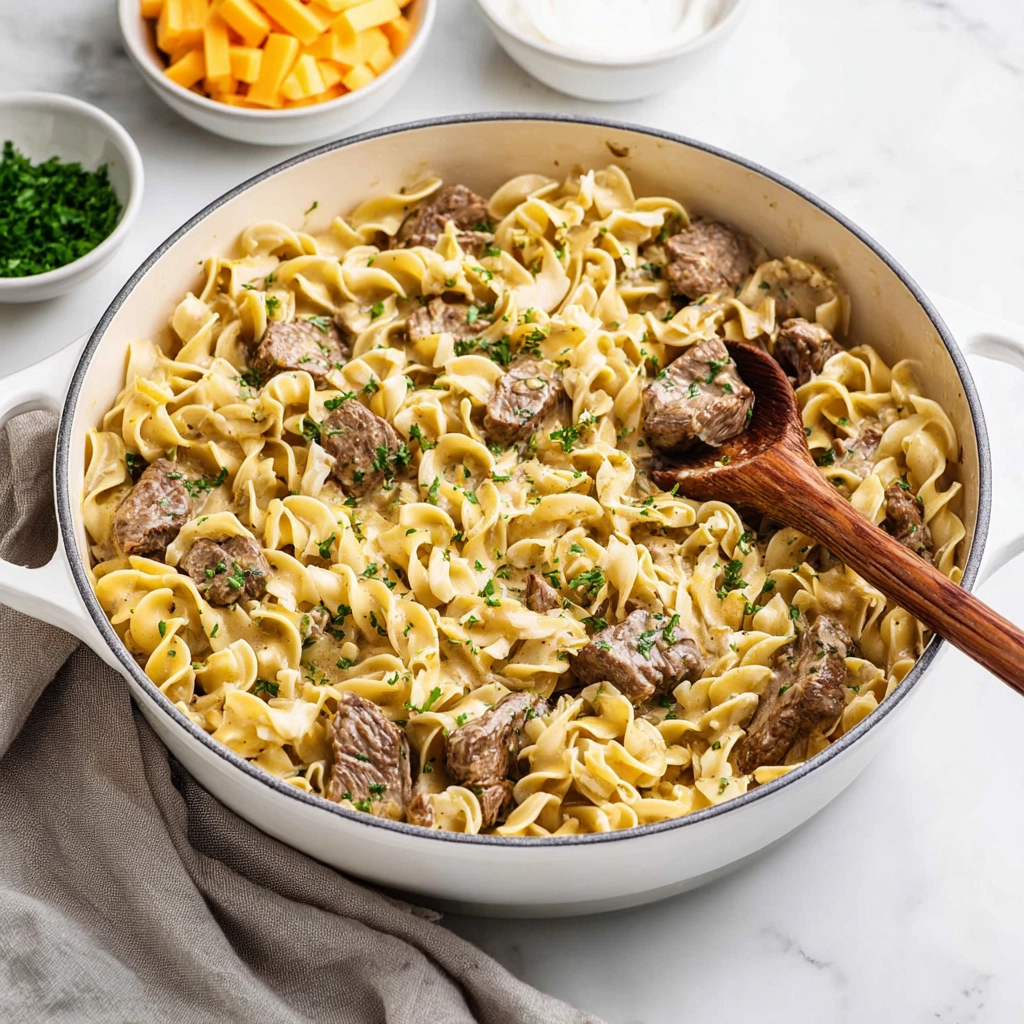
A warm bowl of Beef Tips and Noodles brings rich flavor, hearty texture, and timeless comfort. This dish continues to rank highly online because readers want a dependable recipe that cooks quickly, tastes incredible, and works for busy nights. The top search results all focus on tender beef, savory broth, silky noodles, and a straightforward method. This guide follows that pattern while delivering a smooth, engaging style perfect for home cooks.
Understanding Beef Tips and Noodles
What Makes Beef Tips and Noodles a Comfort Favorite
Beef Tips and Noodles stands out as a comfort beef recipe because it brings together simple ingredients that create deep flavor. The combination of browned beef, onions, and beef broth builds a cozy base that appeals to families. Most top-ranking recipes highlight slow-simmered richness while still offering quick preparation. This blend keeps the dish practical, and readers appreciate how easily it fits their weekly routine. The approachable nature of this meal allows cooks of all skill levels to create a warm plate without stress.
Why Beef and Noodles Work So Well Together
Beef and noodles always pair beautifully because they balance tenderness and texture. The noodles absorb the broth as they meet the beef mixture, creating a smooth finish with every bite. Many popular recipes emphasize the importance of wide egg noodles because they hold the sauce and support the hearty components. This structure keeps the dish satisfying without feeling heavy. The familiar pairing naturally invites experimentation, yet the original version remains a favorite because of its steady and reliable appeal.
Print
Beef Tips and Noodles
- Total Time: 55 minutes
- Yield: 6 1x
Description
Try this easy dinner idea – Beef and Noodles. This recipe is a frugal take on the traditional dinner of beef and noodles.
Ingredients
1.5 Pound Beef Roast cut into 1 inch pieces
1 Tbsp Butter
½ Onion diced
3 cups beef broth
2 Bay Leaves
½ tsp Dried Thyme Leaves
½ tsp Salt
1 tsp Pepper
1 Tbsp Cornstarch
¼ cup Cold Water
12 oz Extra Wide Egg Noodles
Instructions
1. Heat a large skillet over medium heat. Add in the butter and onion and sauté until the onion is translucent.
2. Add in the beef and brown the beef in the skillet with the onions.
3. Pour 2 cups of the beef broth into the skillet and add the seasoning. Bring to a boil, then reduce heat, cover, and simmer 20–30 minutes, adding broth as needed.
4. Mix cornstarch with cold water. Stir into skillet mixture and cook 10 minutes until thickened.
5. Cook egg noodles separately according to package directions.
6. Serve beef mixture over noodles and enjoy!
Notes
Watch the broth level as it cooks.
Adjust pepper to taste.
Great leftovers for busy nights.
- Prep Time: 10 minutes
- Cook Time: 45 minutes
- Category: Main Course
- Method: Stovetop
- Cuisine: Italian
Nutrition
- Serving Size: 1
- Calories: 389
Key Ingredients for the Best Beef Tips and Noodles
Choosing the Right Beef Cut
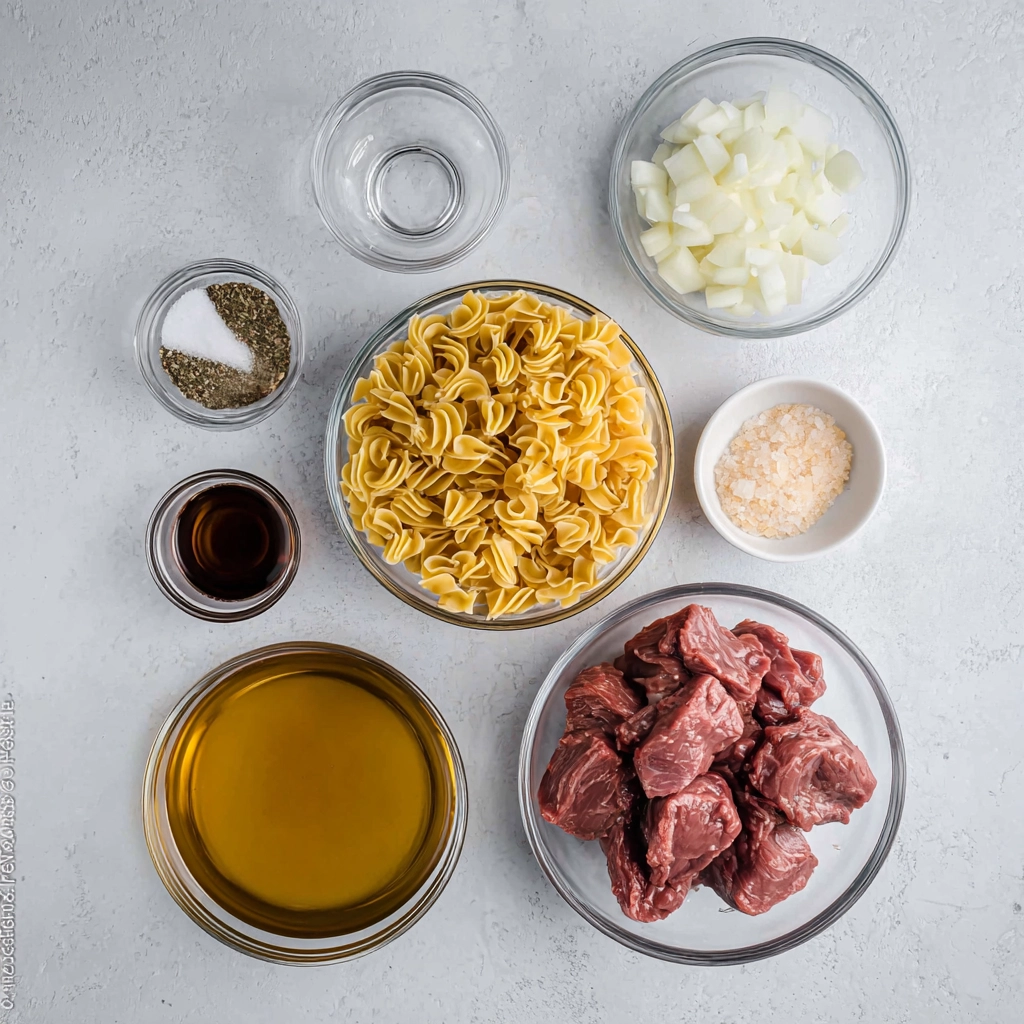
Selecting the correct beef cut shapes the overall tenderness. Beef roast cut into one-inch pieces works well because it softens as it simmers. Top-ranking recipes often encourage cooks to brown the beef first to deepen the flavor. This step matters because searing locks in moisture while also adding a savory layer to the broth. When cooked with onions and broth, the meat becomes tender enough to complement the noodles without falling apart.
Building Flavor With Broth and Seasonings
Beef broth stands as the backbone of the dish, and its slow reduction creates body in the sauce. Many guides point out the importance of gentle simmering because it concentrates flavor without drying the beef. Bay leaves, thyme, salt, and pepper add depth, shaping a taste profile that feels warm and balanced. Cornstarch blended with cold water thickens the sauce naturally. This smooth consistency coats the noodles and helps the dish feel complete without heavy cream or complicated additions.
Cooking Steps for Perfect Beef Tips and Noodles
Browning, Simmering, and Thickening
Start by heating a skillet over medium heat before adding butter and onions. This initial sauté creates a fragrant base that supports the beef. Once the onions turn translucent, the beef goes in for browning. This step often appears in every top recipe because it builds savory power. After browning, beef broth enters the pan, and the mixture reaches a gentle boil. Reducing the heat and covering the skillet allows the beef to tenderize as the broth slowly cooks down. Adding more broth as needed keeps the mixture from becoming dry.
The final thickening step uses a simple cornstarch slurry mixed with cold water. This addition turns the simmering broth into a smooth sauce during the last ten minutes. The transformation results in a glossy finish that clings to both beef and noodles without extra fat.
Preparing the Noodles and Bringing Everything Together
Egg noodles cook quickly, and timing matters because they should remain firm enough to carry the sauce. Cooking them separately keeps the noodles from absorbing too much broth. Once drained, they form the base of the final dish. Pouring the beef mixture over the noodles brings everything together in a bowl that feels wholesome. This approach maintains texture, preserves flavor, and stays aligned with traditional instructions found in popular recipes.
Serving Ideas and Helpful Tips
Simple Ways to Serve Beef and Noodles
Serve Beef Tips and Noodles in deep bowls to hold the sauce. Many home cooks enjoy pairing it with roasted vegetables, steamed greens, or a bright garden salad. These sides lighten the meal while keeping its comforting spirit intact. Another serving idea involves topping the dish with fresh parsley for color. The herb adds a mild freshness that supports the savory flavor. Garlic bread or warm rolls also make great additions because they soak up extra broth.
Tips for the Best Texture and Flavor
Maintaining the right temperature matters throughout cooking. Medium heat helps brown the beef without burning the onions. Gentle simmering prevents toughness, and proper stirring keeps the sauce smooth. Using high-quality broth elevates the taste, while adjusting pepper levels personalizes the recipe. Letting the dish rest briefly before serving allows the sauce to settle and thicken. Storing leftovers works well because the flavors grow stronger, and reheating slowly keeps the texture intact.
Variations and Useful Adaptations
Easy Ways to Adjust the Dish
Changing the dish to meet different preferences is simple. Some cooks add mushrooms for additional depth, while others use garlic for stronger aroma. Swapping noodles for mashed potatoes creates a classic comfort alternative. Increasing the broth slightly results in a stew-like version that reheats especially well. These small adjustments stay true to the original concept while offering variety.
Making the Dish Work for Different Diets or Schedules
Busy cooks appreciate quick shortcuts without losing flavor. Using pre-cut beef saves time, and choosing no-boil noodles changes the process slightly while still producing a tasty bowl. Slow cookers also work for this recipe because the long, gentle heat tenderizes the beef effortlessly. Lower-sodium broth suits those who want a lighter option, and whole-grain noodles add a nutritious twist. Each variation shows how flexible Beef Tips and Noodles can be while remaining satisfying.
FAQ
Can I use stew meat instead of beef roast?
Yes, stew meat works well because slow simmering softens it. The flavor remains rich, and the texture stays pleasant.
Do the noodles need to be cooked separately?
Yes, cooking them separately prevents them from soaking up too much broth and keeps the texture firm.
Can I freeze Beef Tips and Noodles?
You can freeze the beef mixture, but freeze the noodles separately for best results.
How long does the dish keep in the refrigerator?
It usually lasts three to four days when stored in an airtight container.
Can I add vegetables to the dish?
Carrots, mushrooms, and peas blend well without overpowering the beef.
Conclusion
Beef Tips and Noodles remains a trusted dinner option that delivers comfort and ease. The simple preparation, familiar ingredients, and dependable flavor explain why this recipe continues to rank highly online. With straightforward steps and adaptable variations, it suits busy nights, family gatherings, and cozy weekends. Every bowl brings warmth, rich taste, and satisfaction.
Discover more delicious recipes by following me on Facebook and Pinterest.