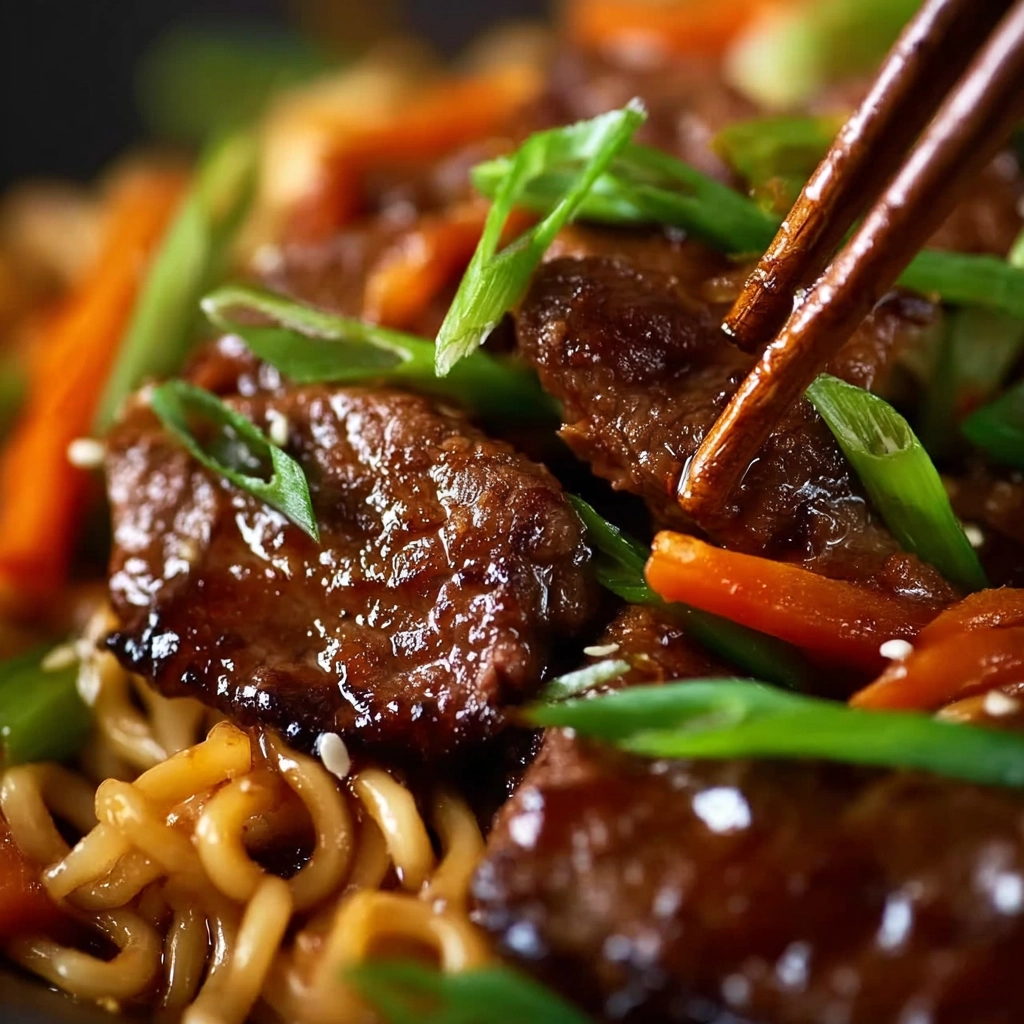
A warm bowl of slow cooker beef ramen always brings me back to chilly weekends when I wanted something cozy without standing in the kitchen for hours. I remember tossing ingredients into my slow cooker early in the morning, hoping dinner would magically taste like something from my favorite noodle shop. When I lifted the lid that evening, the rich aroma filled the house and took me straight to that familiar comfort I craved. If you’ve ever loved a good beef noodle soup but wanted a simpler, hands-off way to make it, this slow cooker beef ramen recipe gives you exactly that feeling. It offers deep flavor, tender meat, and all the satisfaction of a big, steamy bowl. Throughout this story, you’ll see how slow cooker beef ramen transforms everyday ingredients into something special. This slow cooker beef ramen also fits nicely when you want an easy ramen recipe without complicated steps. And if you love crockpot Asian noodles, you’ll enjoy how naturally everything comes together in this dish.
Here’s what this article covers: how the dish fits into everyday cooking, how flavors develop in the slow cooker, why the noodles should be cooked separately, how toppings change each bowl, and how to adjust the recipe to fit your taste.
Why Slow Cooker Beef Ramen Works So Well
Building Flavor Through Low and Slow Cooking
Creating Comfort With Simple Ingredients
Slow cooker beef ramen brings a comforting blend of slow-simmered broth, tender beef, and soft noodles. When you let beef braise for hours, it becomes incredibly tender while the broth grows richer. This slow transformation is why slow cooker beef ramen tastes different from quick stovetop ramen. The flavors have time to mature. Many people expect beef noodle soup to require constant attention. Yet this method changes that. Once you layer the beef, garlic, ginger, and broth, the slow cooker does all the work. It gives you the structure of an easy ramen recipe without losing the depth that makes ramen so enjoyable. As everything simmers, the soy sauce adds savory notes, the sesame oil adds warmth, and the ginger brings brightness. The sweetness from brown sugar softens the saltiness, creating balance. Together, these ingredients turn into a broth that tastes far more complex than the short prep time suggests. You also gain freedom with slow cooker beef ramen. You can leave it all day while you work or rest. When you return, the broth is ready, and the beef falls apart with the slightest touch. This makes serving effortless. The real comfort comes from how it feels to sit down with a bowl after a long day. The steam rises, the noodles soak in the broth, and the beef melts. The spinach gives a fresh finish without extra steps. Even if you’ve never made crockpot Asian noodles before, this recipe guides you with simple, approachable steps. You’ll discover that slow cooker beef ramen doesn’t require complicated techniques. It only needs time and good ingredients. Once you understand how these pieces come together, you’ll make it often, especially when you want something warm and soothing.
Print
Slow Cooker Beef Ramen
- Total Time: 8 hours 15 minutes
- Yield: 4-6 servings 1x
Description
Slow Cooker Beef Ramen delivers rich broth, tender beef, and a satisfying noodle bowl with minimal effort.
Ingredients
1.5 pounds beef chuck roast, cut into chunks
4 cups beef broth
3 cups water
4 cloves garlic, minced
1 onion, sliced
1 tablespoon ginger, grated
1/4 cup soy sauce
2 tablespoons sesame oil
2 tablespoons brown sugar
2 packs fresh ramen noodles (or egg noodles)
1 cup baby spinach
2 green onions, sliced
Soft-boiled eggs (optional)
Sriracha or chili oil (optional)
Instructions
1. Season the beef chuck chunks with salt and pepper.
2. Add beef to the slow cooker, followed by onions, garlic, and ginger.
3. Pour in beef broth, water, soy sauce, sesame oil, and brown sugar.
4. Cover and cook on low for 8 hours or high for 4 hours.
5. Cook noodles separately according to package instructions.
6. Stir baby spinach into the slow cooker to wilt.
7. Ladle beef and broth over noodles.
8. Top with green onions and optional eggs.
9. Add Sriracha or chili oil if desired.
Notes
Use fresh ramen noodles for best texture.
Keep noodles separate for storage.
Add mushrooms or bok choy for variation.
- Prep Time: 15 minutes
- Cook Time: 8 hours
- Category: Dinner
- Method: Slow Cooker
- Cuisine: Asian
Nutrition
- Serving Size: 1 bowl
- Calories: 500
- Sugar: 6
- Sodium: 950
- Fat: 20
- Saturated Fat: 7
- Unsaturated Fat: 10
- Trans Fat: 0
- Carbohydrates: 55
- Fiber: 2
- Protein: 30
- Cholesterol: 85
Understanding the Broth and Beef Combination
Developing Deep Soy-Ginger Flavor
Getting Tender Beef Every Time
The heart of slow cooker beef ramen is the broth. A bowl with a weak broth never satisfies. That’s why this method focuses on building strength from the start. When you add beef broth, water, soy sauce, garlic, ginger, and onion, you set a foundation that grows more intense as it cooks. The long cooking time allows the flavors to mix. As the hours pass, the beef releases juices into the broth. The broth then takes on a round, full taste that pairs beautifully with ramen noodles. You’ll notice how garlic softens, ginger becomes mellow, and onions melt into the liquid. This is what makes slow cooker beef ramen stand out from a basic beef noodle soup. You also get consistent results because the slow cooker keeps a steady temperature. The beef cooks gently without boiling. This prevents the meat from turning tough. Instead, it becomes tender and easy to shred. Slow cooker beef ramen benefits from chuck roast because it contains enough fat to stay moist. If you’ve ever cooked other crockpot Asian noodles, you know this cut behaves predictably. It holds flavor and texture. The soy sauce and sesame oil help the beef absorb seasoning. They also contribute to the broth’s color and aroma. Brown sugar may seem like a small ingredient, but it plays an important part. It rounds out the saltiness and adds a subtle caramel note. When everything cooks slowly, even a small amount becomes meaningful. Toward the end, spinach brings freshness. It softens quickly and brightens the bowl. This combination of hearty and fresh makes the dish complete. Slow cooker beef ramen proves that simple choices in preparation create dependable, delicious results every time.
Why You Should Cook the Noodles Separately
Keeping Ramen Textures Perfect
Preventing Overcooking and Cloudy Broth
One of the smartest decisions in slow cooker beef ramen is cooking the noodles in a separate pot. It may seem like an extra step, but it changes the entire dish. If you add noodles directly into the slow cooker, they absorb too much broth and turn mushy. This results in a heavy soup rather than a structured bowl of slow cooker beef ramen. Cooking the noodles separately prevents this. You keep the broth clear and flavorful. It also lets you control the texture of the noodles. Ramen cooks quickly, usually in just a couple of minutes. Fresh ramen noodles offer the best texture, but egg noodles also work when needed. No matter which type you choose, cooking them separately ensures they stay soft but not soggy. When you combine the noodles with the broth at serving time, you get a perfect balance. The noodles stay springy and stand up to the rich broth. This choice also supports personal preferences. Some people want fewer noodles. Others want a full bowl. Serving noodles separately lets everyone customize. Many easy ramen recipe variations use this same method, and it always improves the final texture. Another benefit is reheating. If you store leftover slow cooker beef ramen, keeping noodles separate prevents them from soaking up broth overnight. You can reheat broth and beef on their own, then cook fresh noodles for the next meal. This keeps the dish consistent the second time you enjoy it. If you’ve made crockpot Asian noodles before, you know how frustrating overcooked noodles can be. This method removes that problem. Slow cooker beef ramen becomes more enjoyable because each component maintains its integrity. When everything comes together in the bowl, it tastes exactly as it should—bold broth, tender beef, and perfectly cooked noodles.
Toppings That Transform the Bowl
Adding Layers of Flavor With Eggs and Green Onions
Bringing Heat, Crunch, or Freshness as Needed
Slow cooker beef ramen becomes far more interesting once you add toppings. The base itself offers deep, beefy flavor, but toppings bring contrast. Soft-boiled eggs remain a classic choice. The creamy yolk blends into the broth and gives the bowl a richer finish. Green onions give a bright note that cuts through the richness. This small garnish changes how each bite feels. Sriracha and chili oil bring heat without overwhelming the broth. A small drizzle adds warmth and a pleasant kick. This makes slow cooker beef ramen flexible for anyone who likes spice. Another option is sesame seeds. They add a subtle nutty flavor. Spinach is already included in the recipe, but you can increase it if you want a heartier green element. Bok choy also works well. If you enjoy crunch, shredded carrots or bean sprouts can replace or accompany spinach. If you love customization, this dish gives you endless choices. Every topping shifts the bowl slightly.

This variation is also helpful when serving several people. Some prefer mild flavors, while others want intensity. With slow cooker beef ramen, each bowl can be adjusted without trouble. You’ve probably seen similar variety in beef noodle soup bowls at restaurants. This recipe brings that same experience to your kitchen. Fresh herbs like cilantro offer another layer. They bring fragrance and brightness. Lime wedges add acidity, which lifts the broth. Even a small squeeze changes the flavor balance. While this recipe keeps the toppings simple, you can experiment as much as you want. Since the broth carries strong beef flavor, almost anything pairs well. Your bowl becomes a reflection of what you enjoy. This flexibility is one of the reasons slow cooker beef ramen remains a favorite for many home cooks.
Personalizing Slow Cooker Beef
Ramen for Any Season
Adjusting Flavor Levels Easily
Making the Recipe Work for Family Meals
Slow cooker beef ramen fits every season because you can adjust it to match what you crave. In colder months, you might want a richer broth. You can achieve this by adding a stronger beef broth or reducing the water slightly. You can also use mushrooms for an earthier taste. They release flavor as they simmer, giving the broth depth. In warmer months, you may want something lighter. A small splash of rice vinegar before serving brightens the broth. You can also add more greens. Fresh spinach, bok choy, or even kale work well. They keep the bowl feeling light while still offering satisfaction. If you prefer spice, you can increase ginger or add chili paste to the broth. These changes keep the dish exciting without complicating the recipe. Slow cooker beef ramen also works nicely for family meals. You can prepare everything early, then serve at your convenience. Kids often enjoy the noodles on their own, while adults may prefer the full bowl. You can assemble everything individually. This gives you more control. If you want a saltier broth, add a small splash of soy sauce to your bowl. If you want a sweeter finish, increase brown sugar slightly next time. Once you understand how the flavors interact, adjusting becomes simple. When you break down the structure of crockpot Asian noodles, you see that the broth, noodles, and toppings each bring something different. Slow cooker beef ramen uses this structure perfectly. It gives you comfort, variety, and balance. No matter how often you make it, you can find new ways to shape the bowl. This makes the recipe valuable in everyday cooking.
FAQ
Can I use a different cut of beef?
Yes. Chuck roast works best, but brisket or stew meat also perform well. They stay tender during long cooking.
Can I cook the noodles in the slow cooker at the end?
It’s possible, but the noodles lose texture quickly. Cooking them separately keeps the broth clear and the noodles firm.
Can I substitute ramen noodles?
Yes. Egg noodles, udon, or rice noodles can replace ramen if needed.
Can I make this recipe spicy from the start?
You can add chili paste or crushed red pepper during cooking. Adjust to your preferred heat level.
How long do leftovers last?
Stored without noodles, the broth and beef last up to four days in the refrigerator.
Conclusion
Slow cooker beef ramen combines convenience with satisfying flavor. It gives you a warm bowl filled with rich broth, tender beef, and soft noodles without demanding constant attention. Whether you want an easy ramen recipe for weeknights or a cozy version of beef noodle soup for weekends, this dish delivers every time. With the flexibility to customize toppings, flavors, and textures, slow cooker beef ramen becomes a regular favorite in any home kitchen.
Discover more delicious recipes by following me on Facebook and Pinterest.