
If there’s one dish that’s earned a permanent spot in kitchens around the world, it’s parsley salad. Light, fresh, and full of bold flavors, this simple dish has stood the test of time. Whether it’s on your weekly lunch rotation or stealing the show at dinner, parsley salad on repeat isn’t just a trend—it’s a smart, nutritious lifestyle choice.
This article takes you through every angle of the humble yet vibrant parsley salad. From its deep-rooted origins and health perks to modern twists and easy prep tips, you’ll get the full scoop. And the best part? You’ll walk away knowing exactly how to make it shine on your table—again and again.
Introduction to Parsley Salad
The Allure of Parsley Salad
You’ve seen it at potlucks, tucked into mezze platters, or glowing on food blogs—parsley salad has found its way into everyday eating for a good reason. This green wonder isn’t just a garnish anymore. It’s fresh, herbaceous, and filled with bold textures and zingy flavors.
What makes it so special? Unlike your average salad, parsley brings a punch. Its natural bite and peppery undertones blend beautifully with citrusy dressings and juicy vegetables. The result? A vibrant salad that tastes as good as it looks and leaves you feeling refreshed.
Plus, it’s quick to toss together. No fussy ingredients or hours of prep time—just fresh produce, a splash of lemon, and maybe a handful of grains. It’s minimalism at its tastiest.
Why “On Repeat”?
Let’s face it—when a recipe hits all the right notes, we keep coming back to it. Parsley salad on repeat isn’t just about taste; it’s about consistency, simplicity, and versatility. It’s a salad that doesn’t get old. You can switch things up with just one or two ingredients and still get a plate full of flavor.
One day, it’s a light lunch. The next, it’s a sidekick to roasted chicken or crispy falafel. Whether you dress it up or keep it classic, parsley salad keeps you satisfied without weighing you down.
It’s also a great make-ahead option. Prepare a batch, stash it in the fridge, and scoop out a bit whenever you need a burst of green. With just a little planning, you’ve got a healthy fallback you’ll never get tired of.
Stay tuned—next, we’ll dig into the roots of this refreshing dish and explore how parsley salad came to earn its rightful place on our tables, time and time again.
The Roots of Parsley Salad
Historical Background
Parsley salad may seem like a modern health trend. But its story goes way back. This dish has deep roots in Middle Eastern cuisine, especially in places like Lebanon and Syria. For centuries, people there have mixed chopped parsley with fresh vegetables and simple dressings.
One of the most famous versions is tabbouleh. It’s a salad made mostly from parsley, with a little bulgur wheat, tomatoes, mint, lemon, and olive oil. It’s light, refreshing, and loaded with flavor.
Over time, the recipe made its way across the world. People loved its fresh taste and easy prep. So, it began to pop up in kitchens everywhere, from street food stalls to fancy restaurants.
Today, parsley salad shows up in many forms. But it still holds onto its roots. It remains a dish that’s humble, fresh, and full of tradition.
Cultural Significance
In many cultures, food is more than just a meal. It’s a symbol of love, sharing, and community. Parsley salad is no different. It’s often served at gatherings, celebrations, and holidays. You’ll find it on tables during family meals and at large feasts.
Tabbouleh, for example, is a must-have in a Lebanese mezze spread. It’s a big table of small dishes meant to be shared with others. Parsley salad brings color, crunch, and balance to the mix.
What makes it special is how it adapts. Each cook has their version. Some use more lemons. Others add garlic or change the grain. But the heart of the dish—the parsley—stays the same.
As parsley salad travels, it changes to fit new kitchens and tastes. In some places, people add quinoa. Others skip grains and go all green. That’s the beauty of it. It keeps its soul but bends with the times.
Coming up, we’ll explore why this dish is not just tasty but also packed with health benefits that make you want to eat it again and again.
Nutritional Benefits of Parsley
Health Advantages
Parsley is more than just a pretty herb. It’s full of nutrients that help your body feel strong and healthy.
This green herb is rich in vitamin K., which is good for your bones and helps your blood clot properly. It also has vitamin C, which boosts your immune system and helps fight colds. You’ll also get vitamin A, which supports your eyes and skin.
Parsley is high in antioxidants. These help your body fight damage caused by free radicals. That means it may help slow aging and reduce the risk of illness.
And here’s another bonus: parsley helps with digestion. It’s known to reduce bloating and support kidney health. People even use it to freshen their breath.
All of these benefits come from a few handfuls of fresh herbs. That’s pretty impressive for something so simple.
Dietary Considerations
Trying to eat healthier? Parsley salad makes it easy. It’s naturally low in calories. That makes it a smart choice if you’re watching your weight.
It’s also full of fiber. Fiber helps you stay full longer and keeps your digestive system moving. That’s great for gut health and appetite control.
And let’s not forget—parsley salad is gluten-free, vegan, and dairy-free (unless you add cheese). That means it works with almost any diet. Whether you follow keto or paleo or are just trying to eat more greens, parsley salad fits right in.
It’s clean, it’s green, and it’s easy to enjoy every day.
Up next, we’ll break down the main ingredients and talk about how each one brings flavor, texture, and nutrition to your bowl.
Core Ingredients and Their Roles
Essential Components
At the heart of every parsley salad is, of course, parsley. You can use flat-leaf (Italian) parsley or curly parsley. Flat-leaf has a stronger flavor. Curly is milder and gives the salad more texture.
Next comes tomatoes. They add color and a juicy bite. Use ripe, firm tomatoes for the best taste.
Onions are also important. Most recipes use red onions. They add a bit of sharpness and crunch.
Lemon juice gives the salad its bright, zesty flavor. It also helps soften the parsley and brings all the ingredients together.
Olive oil adds richness and helps the dressing stick to the greens. A good quality oil makes a big difference.
Don’t forget salt and pepper. They might seem small, but they bring out all the other flavors.
Supporting Ingredients
Many traditional versions also include bulgur wheat. This grain makes the salad more filling. It’s soft but has a slight chew that balances well with the parsley.
Some people add fresh mint. It adds coolness and an extra layer of flavor.
Others mix in cucumbers for crunch or scallions for a mild onion taste.
Ingredient Variations
Want a gluten-free option? Swap the bulgur with quinoa. It’s protein-rich and just as tasty.
Looking for more crunch? Add some chopped nuts, like almonds or walnuts. They give the salad a toasty flavor and a satisfying bite.
Craving something creamy? Try a bit of feta cheese. It adds a salty, rich contrast to the herbs and lemon.
There are so many ways to change up your parsley salad. Just start with fresh parsley, and build from there.
Let’s move ahead and see how easy it is to prepare parsley salad at home. with step-by-step instructions anyone can follow.
Step-by-Step Preparation Guide
Preparing the Ingredients
Start with the parsley. Wash it well under cold water. Dry it completely. A salad spinner works great. If it’s wet, the salad will turn soggy.
Next, chop the parsley. Use a sharp knife. Cut it finely, but don’t turn it into mush. You want small pieces that still look fresh and green.
Then, get your tomatoes ready. Dice them into small, even pieces. Remove extra juice if they’re too watery. That keeps the salad crisp.
For onions, slice them thin. Red onions work best here. If they taste too strong, soak the slices in cold water for 10 minutes. That takes away the sharpness.
If you’re using bulgur, soak it in warm water or lemon juice. Let it sit until it softens. Drain well. Don’t cook it—it just needs a good soak.
Lemon juice and olive oil should be fresh. Squeeze lemons right before using them. And choose extra-virgin olive oil for the best flavor.
Assembling the Salad
Now it’s time to mix.
Grab a large bowl. Add the chopped parsley, tomatoes, onions, and bulgur (if using). Toss them gently.
In a smaller bowl, whisk together lemon juice, olive oil, salt, and pepper. That’s your dressing.
Pour the dressing over the salad. Mix well, but don’t crush the greens. Stir just enough to coat everything.
Taste it. Need more salt or lemon? Add a little at a time.
Let the salad sit for 10–15 minutes before serving. This helps the flavors come together.
And just like that, your parsley salad is ready to enjoy.
Let’s keep going and look at fun ways to change up your parsley salad with new ingredients and fresh twists.
Variations to Keep It Interesting
Regional Twists
There’s no one “right” way to make parsley salad. Across the world, people add their touch.
Lebanese tabbouleh is the classic version. It uses a lot of parsley, with only a little bulgur. Fresh mint, tomatoes, and lemon juice are key. This version is light, sharp, and full of herbs.
Syrian styles are often grain-free. They focus more on parsley and might include walnuts, olives, or radishes. These ingredients give extra flavor and crunch.
Modern Takes
Looking for something different? Try these new versions.
Want more protein? Add chickpeas or grilled chicken. This turns your salad into a full meal.
Craving more bite? Mix in crunchy cucumbers, carrots, or sweet bell peppers. They add color and texture.
Need something creamy? Add feta cheese or a spoon of Greek yogurt on top. They blend well with the lemon and herbs.
You can also change the grain. Try quinoa, farro, or cooked lentils. Each brings a new taste and feel.
Some even swap the dressing. Use apple cider vinegar instead of lemon. Or add a little honey for sweetness.
These simple changes keep things fun. You’ll never get bored when your parsley salad can change with your mood or your fridge.
Now, let’s explore the best ways to serve parsley salad and make it part of any meal, big or small.
Serving and Pairing Suggestions
Meal Integration
Parsley salad is flexible. You can serve it in many ways.
Want a quick side dish? Serve it next to grilled chicken, roasted vegetables, or baked fish. It adds freshness and a burst of flavor.
It also pairs well with Middle Eastern food. Think falafel, hummus, or pita bread. The salad’s lemony bite balances rich, fried dishes.
Need a full meal? Turn parsley salad into a main course. Add chickpeas, quinoa, or avocado. You’ll get more protein and healthy fats.
Try it in a grain bowl. Mix the salad with cooked rice, lentils, or couscous. Top it with a boiled egg or roasted veggies for a filling lunch.
Presentation Tips
How you serve it matters, too.
Use a large, shallow bowl. That helps the colors pop. It also makes mixing and serving easier.
For parties, serve in lettuce cups. They’re pretty and easy to grab. They also keep the salad light and fresh.
Want a nice touch? Garnish with lemon slices or a dash of sumac. Sumac is a spice with a sour taste. It adds color and zing.
Keep the salad cold until serving. Parsley salad tastes best when fresh and chilled.
Next, we’ll go over how to store parsley salad the right way so you can enjoy it for more than just one meal.
Storage and Make-Ahead Tips
Preserving Freshness
Parsley salad is best when fresh. But with a few tips, you can enjoy leftovers, too.
First, store it in an airtight container. This keeps the flavors in and the air out.
Put the container in the fridge. The salad will stay good for up to 2 days. After that, the parsley may wilt, and the tomatoes might get soggy.
If you use grains like bulgur or quinoa, they’ll absorb the dressing. That’s normal. But if it gets too soft, just add more fresh parsley before eating.
Want to keep it crisp longer? Don’t add the dressing right away. Store the chopped ingredients and dressing in separate containers. Mix only when you’re ready to eat.
Meal Prep Strategies
Planning ahead? Great idea.
You can chop all your ingredients a day in advance. Keep each item in a separate container. That way, everything stays fresh.
Right before serving, toss everything together with the dressing. It will taste just like you made it from scratch.
Making lunch for the week? Try building individual jars. Start with dressing on the bottom. Then add grains, tomatoes, onions, and parsley on top. This keeps the greens dry. Shake when ready to eat.
With the right prep, parsley salad can be part of your week without extra work.
Next, we’ll answer common questions people ask about parsley salad—from storage tips to ingredient swaps.
Frequently Asked Questions (FAQ)
Common Queries
Can I use dried parsley instead of fresh?
It’s not the same. Dried parsley has less flavor. Fresh parsley gives the salad its bright taste and texture. For best results, always use fresh ingredients.
How long does parsley salad last in the fridge?
If stored in a sealed container, it can last up to 2 days. But it tastes best within 24 hours. After that, the parsley starts to wilt.
Do I have to soak bulgur before adding it?
Yes. Bulgur needs to soften before you eat it. Soak it in hot water or lemon juice until tender. Then drain it well.
What can I add for more protein?
Chickpeas are a great choice. You can also add grilled chicken, lentils, or tofu. These turn the salad into a full meal.
Can I prep this salad ahead of time for a party?
Yes. Chop everything in advance. But keep the dressing separate. Mix it all right before serving. This keeps the salad crisp and fresh.
Can I freeze parsley salad?
No. Freezing ruins the texture. Parsley turns mushy, and tomatoes get watery. It’s best made fresh.
Is this salad good for special diets?
Yes. It fits vegan, gluten-free, and low-calorie diets. Just make sure to skip bulgur or cheese if needed.
To wrap it all up, we’ll look at why parsley salad is worth making again and again—and how to keep it exciting each time.
Conclusion
Parsley salad is simple, fresh, and full of flavor. That’s why so many people make it again and again. It fits into almost any meal. You can eat it as a side, a main dish, or part of a larger spread.
The best part? You don’t need fancy tools or hard-to-find ingredients. Just parsley, lemon, olive oil, and a few extras from your kitchen. Mix them, and you’ve got a dish that feels both healthy and homemade.
It also works for many diets. It’s light but filling. It’s easy to change, too. Add grains, nuts, or protein. Or keep it plain. Either way, it tastes great.
When you want something quick and good for you, parsley salad delivers. It’s no surprise people keep it on repeat. One bite, and it’s easy to see why. Clean, crisp, and bright—this is the kind of salad you’ll want in your fridge every week.
Print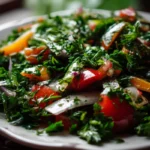
Parsley Salad On Repeat: A Fresh Take on a Classic Favorite
5 Stars 4 Stars 3 Stars 2 Stars 1 Star
No reviews
- Author: Amanda Thompson
- Total Time: 10–15 minutes
- Yield: Serves 4–6 1x
- Diet: Vegan
Description
Parsley Salad is a vibrant, fresh, and healthy dish that combines the peppery flavor of parsley with citrusy lemon, olive oil, and other vegetables. Simple to make, it’s a versatile salad that fits in with almost any meal. With its clean, crisp taste, parsley salad is both light and satisfying, making it a perfect addition to a variety of dishes.
Ingredients
-
2 cups fresh parsley, finely chopped (flat-leaf or curly)
-
2 medium ripe tomatoes, diced
-
1 small red onion, thinly sliced
-
1/4 cup olive oil
-
2 tablespoons lemon juice (freshly squeezed)
-
Salt, to taste
-
Black pepper, to taste
-
Optional:
-
1/2 cup bulgur wheat (soaked)
-
1/4 cup fresh mint, chopped
-
1/2 cucumber, diced
-
1/4 cup scallions, chopped
-
1/4 cup feta cheese (optional for non-vegan)
-
1/4 cup nuts (almonds, walnuts) for crunch
-
Instructions
-
Prepare the Parsley:
-
Wash the parsley well and dry it completely.
-
Chop the parsley finely, leaving small pieces that still look fresh.
-
-
Prepare the Vegetables:
-
Dice the tomatoes and soak them to remove excess juice.
-
Slice the onion thinly and soak it in cold water for 10 minutes to reduce sharpness.
-
(If using bulgur, soak it in hot water or lemon juice until soft, then drain.)
-
-
Assemble the Salad:
-
In a large bowl, combine the parsley, tomatoes, onion, and any optional ingredients like mint, cucumber, or scallions.
-
Add the bulgur if you’re using it.
-
-
Make the Dressing:
-
Whisk together olive oil, lemon juice, salt, and pepper in a small bowl.
-
Pour the dressing over the salad and mix gently to coat.
-
-
Let it Sit:
-
Let the salad sit for 10–15 minutes to allow the flavors to meld.
-
-
Serve:
-
Garnish with feta or nuts, if desired, and serve chilled or at room temperature.
-
Notes
For a gluten-free version, swap bulgur with quinoa.
Add nuts for extra crunch or feta cheese for a creamy contrast.
Parsley salad is best when fresh, but leftovers can last for up to 2 days in the fridge if stored properly.
To prevent sogginess, store the dressing separately and mix it just before serving.
- Prep Time: 10 minutes
- Cook Time: None (unless bulgur is used, then soak for 10 minutes)
- Category: Side Dish, Salad
- Method: No-cook (mixing)
- Cuisine: Middle Eastern, Mediterranean