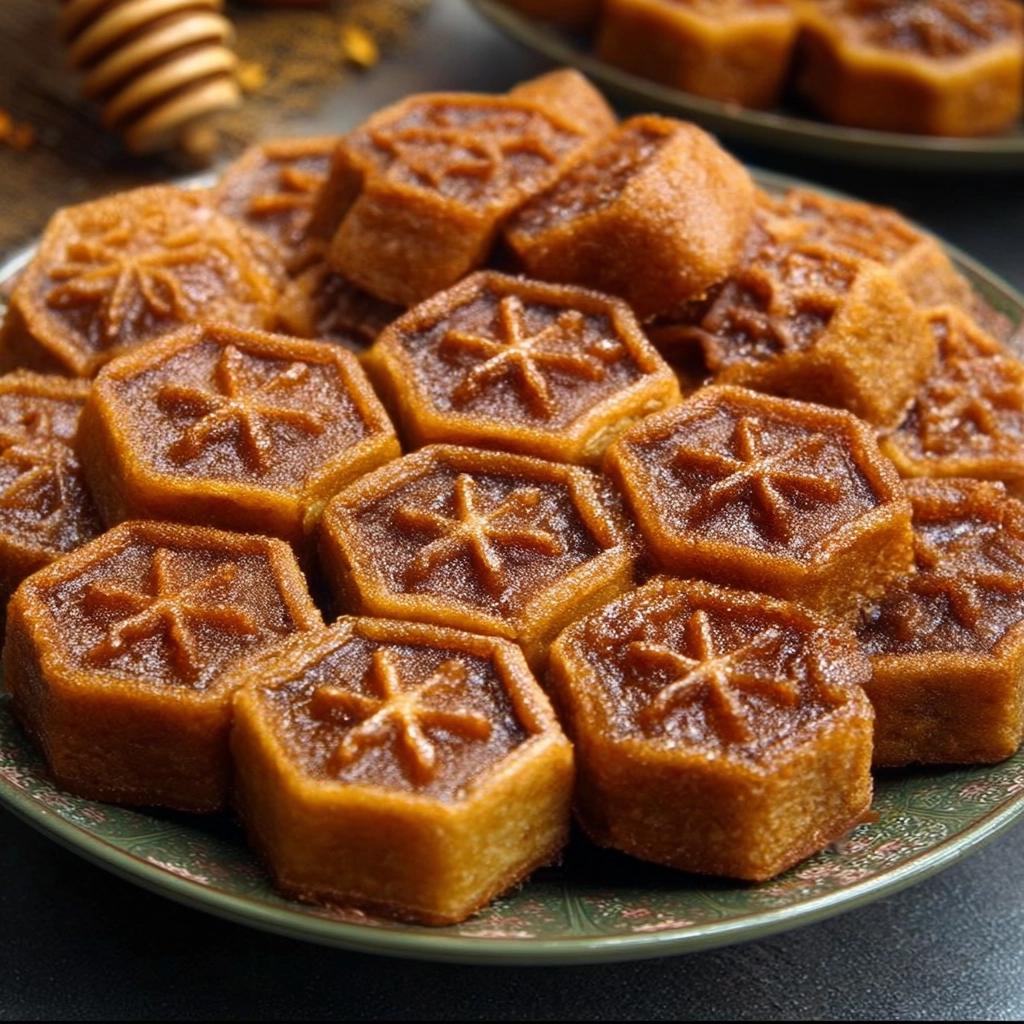
When I first tasted a classic greek honey cake, I felt like I had stepped into another time. The aroma of warm honey, toasted walnuts, and citrus carried a depth that immediately pulled me in, and I knew I would chase that flavor again and again. This article walks you through the heart of this Dream Dessert, blending inspiration from medieval flavors, old desserts, and modern cafe baked goods ideas. You’ll see why greek honey cake still stands strong among today’s Insane Desserts while holding its place as one of the most unique dessert flavors ever created.
Greek Honey Cake: The Story Behind This Ancient Dream Dessert
The Memory of a Medieval Desserts Recipe
Why Greek Honey Cake Still Captures People
The first time I tried a greek honey cake, I was traveling through a small coastal town. I walked into a sunlit bakery because the scent floating out the door felt warm and familiar. Inside, an older woman sliced a tray of honey-soaked cake into diamonds, almost like a simple cousin of baklava. She noticed me staring and handed me a piece without a word. The moment I took a bite, I knew this dessert carried a long, whispered history. It reminded me of the old desserts my grandmother once talked about—recipes born out of simple ingredients but full of meaning.
Although many desserts try to impress with complex techniques, greek honey cake takes a different path. The combination of cinnamon, honey, walnuts, and citrus works in a direct yet deeply comforting way. As I sat on a wooden bench outside the bakery, the syrup slowly soaked through the warm crumb, and each bite carried a balanced sweetness. Even though I had tasted many Insane Desserts before, nothing struck me quite the same way.
People today still chase this flavor because it brings you close to the ingredients in a heartfelt way. It fits beautifully among Restaurant Dessert Recipes yet remains accessible at home. The warm spices, rustic texture, and honey glaze give it the Dream Dessert feel everyone loves. When you slice it into diamonds, the cake instantly looks like a dish passed from one generation to the next.
Greek honey cake became the dessert I started baking for gatherings, and every time the tray comes out, the room fills with the same comforting fragrance that first caught my attention. One taste explains why it keeps returning to dessert menus around the world.
Print
Greek Honey Cake
- Total Time: 55 mins
- Yield: 12 servings 1x
Description
A Greek honey cake with cinnamon, walnuts, citrus, and warm honey syrup.
Ingredients
1 cup all-purpose flour
1 1⁄2 teaspoons baking powder
1⁄4 teaspoon salt
1⁄2 teaspoon ground cinnamon
1 teaspoon orange zest
3⁄4 cup butter
3⁄4 cup white sugar
3 eggs
1⁄4 cup milk
1 cup chopped walnuts
1 cup white sugar
1 cup honey
3⁄4 cup water
1 teaspoon lemon juice
Instructions
1. Preheat oven to 350°F. Grease and flour a 9-inch square pan.
2. Combine flour, baking powder, salt, cinnamon, and orange zest.
3. Cream butter and 3/4 cup sugar until light. Beat in eggs one at a time.
4. Beat in flour mixture alternately with milk. Stir in walnuts.
5. Pour batter into prepared pan. Bake 40 minutes or until toothpick is clean.
6. Cool 15 minutes. Cut into diamonds.
7. For syrup, simmer honey, sugar, and water for 5 minutes.
8. Add lemon juice. Bring to a boil for 2 minutes.
9. Pour warm syrup over warm cake.
Notes
Let cake rest after adding syrup for best absorption.
- Prep Time: 15 mins
- Cook Time: 40 mins
- Category: Dessert
- Method: Baked
- Cuisine: Greek
Nutrition
- Serving Size: 1 piece
- Calories: 350
- Sugar: 32
- Sodium: 120
- Fat: 18
- Saturated Fat: 9
- Unsaturated Fat: 7
- Trans Fat: 0
- Carbohydrates: 42
- Fiber: 2
- Protein: 5
- Cholesterol: 70
Ingredients That Create the Signature Dream Dessert
Simple Staples That Build Big Flavor
How Honey Shapes the Entire Cake
The ingredient list for greek honey cake may look simple, but each part contributes directly to the final taste. You start with all-purpose flour, baking powder, salt, cinnamon, and orange zest. Even though these items appear in many old desserts, they form a blend that works perfectly for this cake’s rustic identity. Cinnamon warms every bite, the citrus brightens the heavier notes, and the walnuts provide a gentle crunch that brings everything together.
The butter, sugar, and eggs create the structure. When mixed properly, they produce a soft crumb that absorbs honey syrup without turning mushy. When you fold in the walnuts, the batter becomes textured in the best way. These layers help the cake stand proudly even when drenched in syrup.
Honey is the real star, and the moment you cook it with water, sugar, and lemon, the aroma fills the kitchen. Many desserts using honey rely on it lightly, but this recipe brings honey forward in a bold, confident way. It adds body, shine, and depth that sugar alone cannot create. The honey syrup sinks into the warm cake, soaking each diamond-shaped piece with a satisfying sweetness.
This cake also fits naturally into cafe baked goods ideas because it sells itself through aroma alone. Warm honey and citrus bring customers toward the counter with almost no effort. When you pair it with a cup of dark coffee or herbal tea, the combination feels timeless.
Even though many modern desserts lean heavily on frosting, fillings, or tall layers, greek honey cake proves that strong flavor doesn’t need decoration. It brings a unique dessert flavor to the table without making the process complicated. That simplicity makes it wonderful for home bakers at any experience level.
Baking Greek Honey Cake the Right Way
Creating the Perfect Crumb
Why the Syrup Pouring Step Matters
Making a greek honey cake is straightforward, though each step matters more than it seems. When you mix the dry ingredients, the cinnamon and orange zest spread evenly through the flour. This step ensures the warm spices coat the batter from the beginning, which helps every bite carry the same flavor.
Creaming the butter and sugar creates the soft, fluffy base the cake needs. When you beat in the eggs one at a time, the batter becomes smooth without overmixing. Many old desserts rely on this method because it keeps the crumb tender and ready to absorb liquid later. After that, alternating the flour and milk helps keep the structure balanced. It prevents dryness while giving the cake enough body to stay upright once syrup is poured.
Once you bake the cake, the next step shapes the final character. Allowing it to cool for exactly fifteen minutes makes a difference. During this short rest, the crumb stabilizes, and the surface becomes ready to accept syrup. Cutting the cake into diamond shapes before pouring the syrup lets the liquid reach the center of each piece.
When you cook the honey syrup, the lemon juice brightens everything instantly. Pouring the syrup while warm ensures it moves through the cake without pooling at the bottom. This is the step that sets greek honey cake apart from other Restaurant Dessert Recipes because it creates an ideal balance between moist and structured.
This technique also mirrors medieval desserts recipes, which often relied on honey to preserve and flavor baked goods. As the syrup sinks into the cake, every piece becomes fragrant and irresistibly tender. This method rewards patience, and once you try it, you understand why the tradition remains unchanged.
Why Greek Honey Cake Belongs Among Today’s Insane Desserts
A Dessert That Feels Ancient Yet Fresh
How Greek Honey Cake Fits Modern Menus
Although the technique feels ancient, greek honey cake holds its own proudly among today’s Insane Desserts. Many people search for treats that deliver bold flavor without extreme sweetness, and this cake answers that need. The honey creates a round, natural sweetness that doesn’t overwhelm, which makes it easy to enjoy after a full meal.
In modern kitchens, chefs often search for desserts that deliver contrast: soft texture, pleasant crunch, warmth, citrus brightness, and natural sweetness. This cake checks every box. Even though it looks modest, it creates a Dream Dessert moment from the first bite. Honey, walnuts, cinnamon, and citrus are a combination that works across seasons and fits well with countless serving styles.
You can serve it warm with whipped cream, chilled with yogurt, or paired with spiced tea. These variations make it popular among Restaurant Dessert Recipes because it adapts effortlessly while remaining loyal to its traditional roots.
Greek honey cake also satisfies the growing interest in unique dessert flavors because honey-based sweets continue to gain attention. People want desserts that feel nostalgic but not outdated, and that balance between old and new is exactly what this cake provides.
When you bake it at home, the aroma alone feels exciting. When you serve it in a cafe, customers notice it before they read the menu. When presented at a gathering, it becomes the one dessert everyone returns to again. With its ability to fit into so many roles, it earns its place among today’s Dream Dessert favorites.
Serving Ideas, Storage, and Flavor Variations
Creative Ways to Present Greek Honey Cake
How to Keep the Cake Fresh Longer
Once you finish baking greek honey cake, you gain endless possibilities for presentation. Because the cake absorbs syrup, it stays moist longer than most traditional cakes. You can serve it warm with a drizzle of fresh honey or sprinkle extra walnuts on top for a textured finish. Some people enjoy adding a spoonful of creamy yogurt on the side, which highlights the citrus notes and provides a refreshing contrast.

This cake also works beautifully on dessert boards. Pair small diamond slices with fruit, nuts, and mild cheeses for a Mediterranean-inspired plate that looks elegant without requiring extra effort. When placed among other old desserts, it adds color and aroma that stand out immediately.
If you want to experiment with variations, consider using a darker honey for a deeper flavor. You can also toast the walnuts before adding them to the batter, which brings more warmth to the cake. Adding a hint of clove or replacing the orange zest with lemon can shift the flavor toward a brighter profile. These small changes still keep the dessert faithful to its traditional taste.
Storage is simple. Because the cake is soaked in syrup, it remains moist for several days when covered at room temperature. This makes it ideal for gatherings, bakeries, or cafe baked goods ideas that require make-ahead desserts. Refrigeration extends its life further, though room temperature usually keeps the texture more pleasant.
Whether you enjoy it alone, share it at a holiday table, or add it to a display case, greek honey cake continues to prove its versatility. With every slice, you taste history, comfort, and sweetness in a way that never feels outdated.
FAQ
Can I make greek honey cake without walnuts?
Yes. You can omit the walnuts or replace them with pistachios or almonds for a slightly different texture.
Why do I need to cut the cake into diamonds?
The shape creates more surface area, helping the honey syrup move evenly through each piece.
What type of honey works best?
A medium-strength honey balances sweetness and flavor well. Wildflower or orange blossom honey works especially nicely.
Can the cake be frozen?
Yes. Wrap slices tightly and freeze. Thaw at room temperature for best texture.
Can I reduce the sugar in the syrup?
You can slightly reduce it, though the syrup helps structure and moisture, so avoid large reductions.
CONCLUSION
Greek honey cake remains one of the most timeless desserts ever created. It blends warm spices, bright citrus, and fragrant honey into a dessert that feels ancient yet perfectly suited for today’s tastes. Whether you want a comforting home treat, a Restaurant Dessert Recipe, or a unique dessert flavor that stands apart, this cake delivers every single time.
Discover more delicious recipes by following me on Facebook and Pinterest.