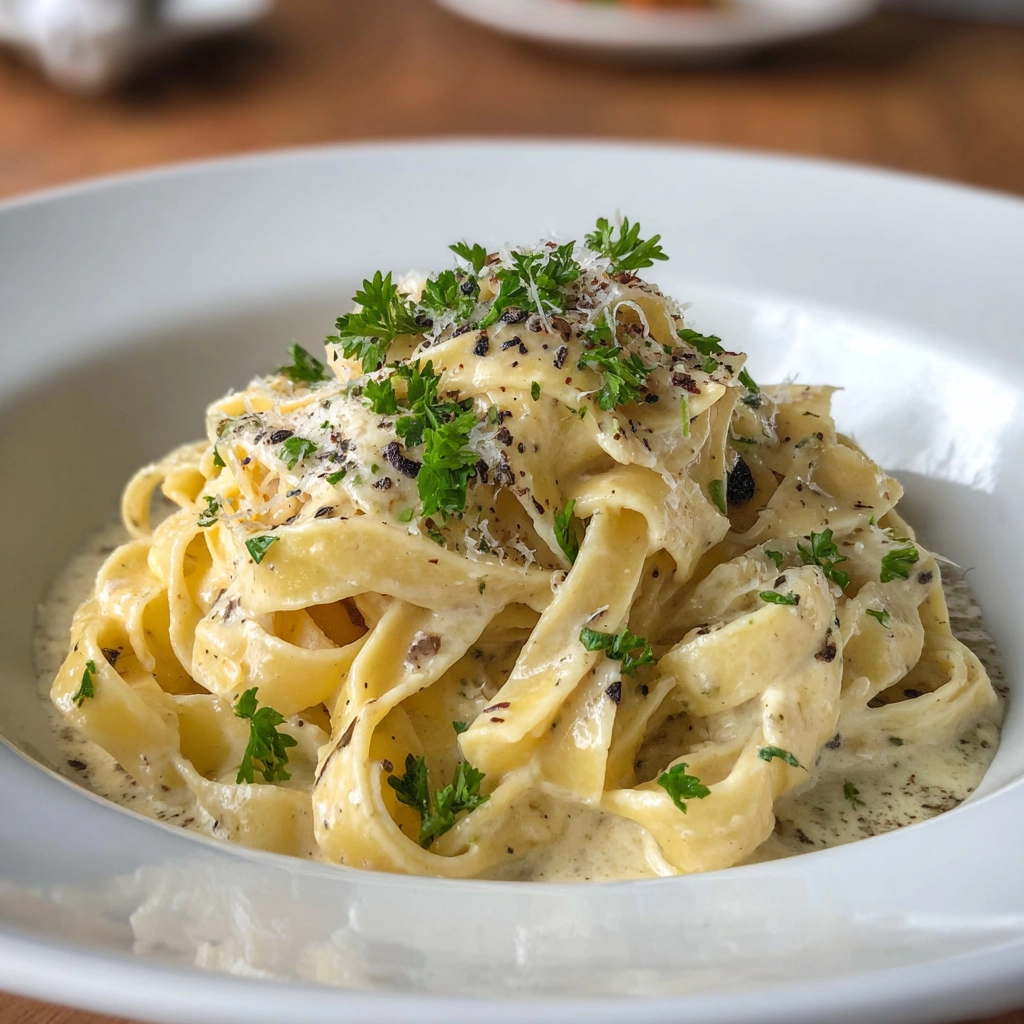
Love Fettuccine Alfredo but frustrated when it turns out heavy or grainy? You’re not alone. Mastering the art of fettuccine alfredo tips is easier than you think when you understand the science behind creaminess and cheese emulsification. This detailed guide reveals seven practical techniques to create restaurant-quality Alfredo right in your kitchen. You’ll learn how to handle temperature, achieve that glossy sauce finish, and pair it with the perfect sides for a complete Italian-inspired meal. Whether you’re a beginner or seasoned cook, these Alfredo ideas guarantee silky, indulgent results every single time.
The Creamy Beginning – Mastering Fettuccine Alfredo Texture
Why Creaminess Starts Before Cooking
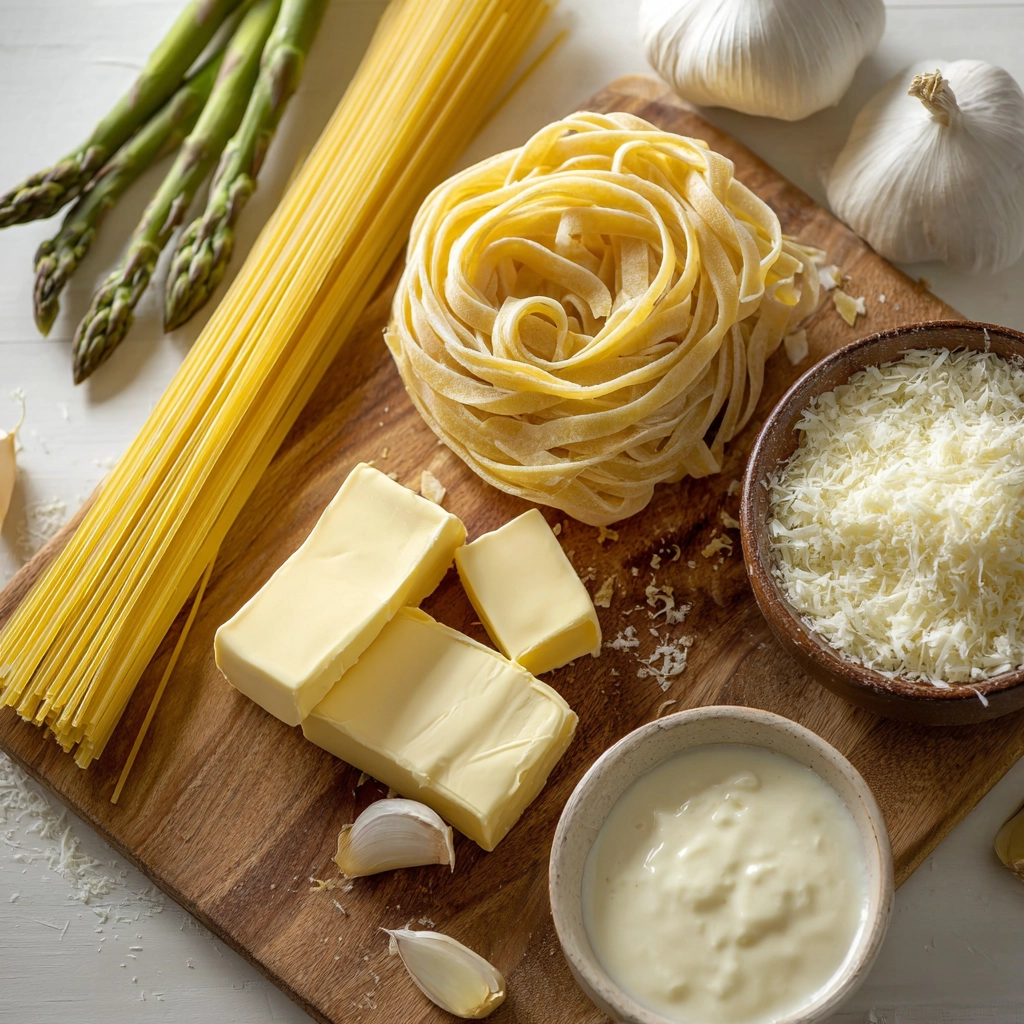
Every great Alfredo begins long before the pasta hits the water. Proper preparation is your foundation. The first of our fettuccine alfredo tips is to bring all ingredients to room temperature. Cold cream and butter shock the sauce, causing it to separate instead of blending smoothly. When ingredients share similar temperatures, they emulsify easily, creating the seamless, velvety consistency every creamy Alfredo pasta needs.
Freshly grated Parmigiano-Reggiano cheese is non-negotiable. Pre-grated varieties contain anti-caking agents that inhibit proper melting. Always grate your cheese fine enough to melt on contact with warm cream—this ensures a flawless blend.
The Perfect Pasta Base
Your pasta choice determines mouthfeel. Classic Fettuccine provides just enough surface area to trap rich sauce without becoming soggy. Cook it until just under al dente; it continues cooking in the pan, absorbing flavor and thickening the sauce naturally. Always salt your water properly (about 1 tablespoon per 4 quarts) to give your Italian food pasta that subtle underlying flavor.
Before draining, reserve a cup of the starchy pasta water—it’s your liquid gold. This simple Alfredo idea adds silkiness to the sauce without extra fat. The starch in the water binds with the butter and cheese, helping them cling beautifully to the pasta.
Print
Fettuccine Alfredo Tips
- Total Time: 33 minutes
- Yield: 4 servings 1x
- Diet: Vegetarian
Description
Rich, creamy Fettuccine Alfredo with buttery sauce and freshly grated Parmesan.
Ingredients
1 lb fettuccine
6 tbsp unsalted butter
2 cups heavy cream
2 cups Parmigiano-Reggiano
¼ tsp white pepper
¼ tsp nutmeg
Salt to taste
Instructions
1. Bring ingredients to room temperature.
2. Cook fettuccine until just under al dente.
3. Reserve pasta water.
4. Melt butter and add cream; reduce slightly.
5. Add cheese gradually, stirring constantly.
6. Toss pasta into sauce and rest for 2 minutes.
7. Serve hot on warmed plates.
Notes
Use freshly grated cheese for smoother texture.
Avoid overheating to prevent sauce separation.
- Prep Time: 15 minutes
- Cook Time: 18 minutes
- Category: Pasta
- Method: Stovetop
- Cuisine: Italian
Nutrition
- Serving Size: 1.5 cups
- Calories: 785
- Sugar: 4g
- Sodium: 890mg
- Fat: 54g
- Saturated Fat: 33g
- Unsaturated Fat: 14g
- Trans Fat: 0g
- Carbohydrates: 52g
- Fiber: 2g
- Protein: 22g
- Cholesterol: 195mg
Building the Perfect Alfredo Base
Crafting the Foundation Sauce
Now for the second essential fettuccine alfredo tip: create balance between butter and cream. Melt European-style butter gently over medium-low heat—never let it brown. Slowly whisk in heavy cream and let it reduce slightly until it coats the back of a spoon. This concentration intensifies the flavor and begins the creamy transformation.
Maintain control over the heat. High temperatures destroy the delicate dairy proteins, causing the dreaded graininess. Keep your pan warm but not sizzling; this allows the sauce to thicken naturally while maintaining a light, luscious texture.
Cheese Integration Done Right
Adding cheese too fast is the number-one mistake most home cooks make. Sprinkle small batches of Parmigiano-Reggiano, stirring each time until fully melted before adding more. This gradual incorporation guarantees a smooth, cohesive sauce. Once all cheese has melted, season with a pinch of nutmeg and white pepper for depth.
This step defines your Alfredo Fettuccine. The cheese and cream should never separate. If it thickens too much, thin it with reserved pasta water. This adjustment technique, used in professional kitchens, keeps your Alfredo luxuriously light instead of heavy or gluey.
Combining Pasta and Sauce for Perfection
The Emulsion Secret
The third key to mastering fettuccine alfredo tips lies in emulsion—the blending of fat and water into a stable sauce. Toss the freshly cooked pasta directly into your pan of sauce while it’s still hot. This allows the starches from the pasta to bind with the butterfat from the sauce, producing that glossy, restaurant-style shine.
If the sauce seems overly thick, don’t panic. Add small amounts of pasta water (a tablespoon at a time) and toss vigorously. Watch how the sauce clings to every strand of fettuccine without puddling at the bottom of the pan.
Timing Is Everything
Turn off the heat once the pasta is perfectly coated. Let the dish rest for two minutes. During this short period, the sauce thickens slightly as it cools, transforming from runny to luscious. Skipping this step is one of the most common pasta fettuccine mistakes that causes watery texture.
Serve immediately on warm plates to maintain the ideal temperature. Remember: Alfredo doesn’t wait—it’s meant to be enjoyed fresh. This timing precision separates a good pasta from a truly memorable Italian food pasta experience.
Lightening Up Without Losing Luxury
Healthier Alternatives that Still Impress
You don’t have to sacrifice indulgence to eat smart. Swap half the cream for evaporated skim milk mixed with a tablespoon of cornstarch. This simple White Meals adaptation cuts calories by almost a third without dulling the flavor. You can also replace part of the butter with high-quality olive oil for a heart-friendly fat alternative.
For extra nutrition, puree a cup of steamed cauliflower and stir it into your sauce. It’s an old chef’s trick that adds body and creaminess without noticeable flavor change. Whole wheat or protein pasta adds fiber and sustains energy longer—perfect for family dinners.
Smart Add-Ins for Modern Twists
Elevate your pasta to go game by pairing Alfredo with grilled chicken, sautéed shrimp, or roasted mushrooms. These additions not only boost protein but balance the richness of the sauce. For a restaurant-style finish, sprinkle freshly chopped Italian parsley and a touch of cracked black pepper just before serving.
Complement the dish with a crisp white wine such as Pinot Grigio or Chardonnay. The acidity balances the creamy sauce beautifully, turning your creamy Alfredo pasta into a complete, unforgettable meal.
Avoiding Mistakes and Perfecting Presentation
Common Pitfalls to Avoid
Many home chefs ruin their Linguini Alfredo by overheating the sauce or adding cold ingredients. Always start with room-temperature dairy, avoid boiling, and stir constantly when incorporating cheese. Use thick-bottomed cookware to ensure even heat distribution and prevent scorching.
Never oversalt before tasting—Parmesan already adds significant sodium. Use salt sparingly and taste at the end. If the sauce separates, whisk in a teaspoon of warm cream to rebind the emulsion.
Serving and Storage Tips
Presentation matters almost as much as flavor. Serve your dinner food pics ready Fettuccine Alfredo on pre-warmed plates to keep it silky longer. Garnish with Parmesan shavings or a drizzle of truffle oil for an elevated touch.
Store leftovers in airtight containers for up to two days. Reheat gently with a spoonful of milk to restore texture. Avoid microwaves—they dry out and break the sauce. For meal prep, store sauce and pasta separately; mix just before serving for best results.
By following these fettuccine alfredo tips, you’ll master not just the recipe, but the technique and timing that create perfection.
FAQs
Can I make Fettuccine Alfredo ahead of time?
You can prepare the sauce and store it in a thermal container for up to 8 hours. Cook pasta fresh and combine just before serving for best texture.
Why does my Alfredo sauce separate?
Overheating or adding cold ingredients too quickly disrupts the emulsion. Keep all ingredients warm and stir gently throughout.
Is authentic Alfredo supposed to include garlic?
Traditional Roman Alfredo uses only butter and cheese, but American versions often include garlic. It’s optional—add one clove if desired.
Can I make it gluten-free?
Absolutely. Choose rice or corn-based fettuccine and gluten-free cheese without additives.
How do I know when my sauce is perfect?
It should coat the back of a spoon smoothly and leave a clean line when you swipe it with your finger.
Conclusion
Mastering fettuccine alfredo tips is about precision, patience, and passion. By controlling temperature, integrating cheese slowly, and using reserved pasta water wisely, you can create a silky, decadent sauce that rivals any Italian restaurant. With these techniques, you’ll transform your Alfredo into a timeless dish worthy of applause—rich, balanced, and irresistibly creamy.
Discover more delicious recipes by following me on Facebook and Pinterest.