
Ever had one of those dessert moments that just needed a little something extra? That golden, smooth drizzle that ties everything together? Well, that’s exactly what butterscotch sauce does. And no—it’s not caramel, although people often get them confused. Butterscotch has its signature taste—deeper, richer, and slightly nostalgic.
This article dives into everything you need to know to make a truly easy butterscotch sauce at home. Whether you’re a seasoned baker or just starting to explore the world of homemade desserts, this guide has your back.
Let’s kick things off with the basics.
Introduction to Butterscotch Sauce
What Is Butterscotch Sauce?
Butterscotch sauce is a thick, velvety topping made from a blend of brown sugar, butter, and cream. It’s not just a sweet sauce; it’s a full-on flavor experience. Think of it as the warm hug of dessert toppings—comforting, rich, and always satisfying.
The magic of butterscotch lies in how the sugar and butter blend and caramelize just enough to give off a nutty, deep taste. Add a splash of vanilla and a pinch of salt, and you’ve got yourself a beautifully balanced sauce.
Unlike caramel—which can be slightly bitter from the burned sugar—butterscotch brings a mellow, almost toffee-like vibe.
Why Make It at Home?
Honestly, once you make it yourself, you’ll never go back to store-bought. Homemade butterscotch sauce is:
-
Fresher
-
Free from preservatives
-
Customizable (love it salty? like it thick? You’re in charge)
Making your means you’re skipping all those weird additives. Plus, it’s faster than you think—about 10 minutes from start to finish.
Not to mention, you can adjust everything from the thickness to the flavor intensity. Want it a little creamier? Add a touch more cream. Prefer a stronger molasses kick? Go darker on the brown sugar.
Where Can You Use Butterscotch Sauce?
The better question might be—where can’t you use it?
-
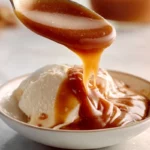
Drizzle it over vanilla ice cream.
-
Swirl it into a cup of hot coffee.
-
Pour it generously on pancakes or waffles.
-
Use it as a filling or drizzle on cakes and brownies.
And yes, even dip fruit in it (we’re looking at you, apple slices).
If you’ve got a sweet tooth and a spoon, this sauce belongs in your fridge.
Understanding Butterscotch
The Origins and Meaning of Butterscotch
Butterscotch isn’t just a fun word. It has a story.
The word comes from two parts: butter and scotch. Now, that second part doesn’t mean alcohol. Some say it comes from the word scorch, which means to heat sugar until it browns. Others believe it refers to the way the candy was cut or “scotched” into pieces.
Butterscotch first became popular in England. A small town called Doncaster started making it in the 1800s. People loved the rich, sweet flavor, and it soon spread far and wide.
Today, we use butterscotch in candies, sauces, and even baking chips. Its deep, buttery taste makes it perfect for adding warmth to desserts.
Butterscotch vs. Caramel: What’s the Difference?
Many folks mix up caramel and butterscotch. They do look alike, and they’re both sweet. But they’re not the same.
Here’s how they differ:
Sugar Type
Butterscotch uses brown sugar.
Caramel uses white sugar.
That small change makes a big difference. Brown sugar has molasses in it. This gives butterscotch its deep, rich taste.
Cooking Temperature
Caramel is cooked at a higher heat. You let the sugar melt and turn dark. This gives caramel a sharper, almost bitter taste.
Butterscotch is cooked at a lower heat. This keeps it smooth and mellow.
Flavor
Caramel is bold. It has a stronger, more complex flavor.
Butterscotch is softer. It’s sweeter and more buttery.
Texture
Both sauces can be thick or thin. Butterscotch tends to feel creamier. It’s great for drizzling or dipping.
Why This Matters
Knowing the difference helps when you’re baking or topping desserts. If you want something rich and sweet, go with butterscotch. If you’re after a bold flavor, choose caramel.
But here’s the real deal: once you taste homemade butterscotch, you might not look back.
Essential Ingredients for Easy Butterscotch Sauce
Making butterscotch sauce at home is simple. You only need a few ingredients. Most of them are probably in your kitchen already.
Let’s break them down.
Core Ingredients
These are the basics. They create the rich and creamy taste you’re after.
Brown Sugar
This is the heart of Butterscotch. It gives the sauce that deep, molasses flavor. Light brown sugar makes a sweeter sauce. Dark brown sugar adds a stronger taste.
Butter
Butter makes the sauce smooth and rich. It melts into the sugar and builds that classic buttery flavor. Use unsalted butter so you can control the salt later.
Heavy Cream
Cream keeps the sauce soft and pourable. It also adds a silky texture. Without it, your sauce could turn out too thick or hard.
Salt
Salt balances out the sweetness. Even a small pinch makes the flavor pop. Don’t skip it—it matters.
Vanilla Extract
Vanilla adds warmth and depth. A small splash is all you need to finish the sauce perfectly.
Optional Additions
Want to change things up? Try adding one of these:
Corn Syrup
It helps keep the sauce smooth. It also prevents the sugar from getting grainy. Just a spoonful can make a big difference.
Different Sugars
You can mix in raw sugar or coconut sugar. These give a new twist to the taste. But stick with brown sugar as your base.
Non-Dairy Options
No dairy? No problem. Use plant-based butter and full-fat coconut milk. These still give you a thick, creamy sauce.
Spices or Extracts
Add cinnamon or a drop of maple extract. These extras can bring fun flavors to the mix.
Step-by-Step Guide to Making Butterscotch Sauce
This part is where the magic happens. You’ll take those simple ingredients and turn them into a golden, creamy sauce. It only takes a few minutes. Let’s keep it easy.
How to Make Butterscotch Sauce
Follow these simple steps. You’ll get smooth, rich sauce every time.
Step 1: Melt the Butter
Place butter in a heavy pan. Use medium heat. Let it melt completely, but don’t let it brown.
Step 2: Add Brown Sugar and Salt
Pour in the brown sugar. Add a small pinch of salt. Stir well. The mix should look thick, like wet sand.
Step 3: Stir in Heavy Cream
Slowly pour in the cream. Keep stirring. The sauce will bubble—this is normal. Stir until everything blends.
Step 4: Let It Boil, Then Simmer
Turn the heat up just a bit. Let the sauce come to a gentle boil. Then reduce the heat and let it simmer for about 5 minutes. Stir often.
Step 5: Add Vanilla
Turn off the heat. Add the vanilla extract. Stir one last time. Your sauce is now ready.
Step 6: Cool and Store
Let the sauce cool a little. Then, pour it into a clean jar. Store it in the fridge once it’s cool. It’ll thicken as it chills.
Tips for a Perfect Sauce
These little tips can help a lot.
Don’t Overcook
If you cook it too long, the sauce will get too thick. Stop once it coats the spoon nicely.
Keep Stirring
This helps everything mix well. It also keeps the sugar from burning.
Use a Good Pan
Heavy pans spread heat better. They keep the sugar from getting too hot in spots.
Variations and Substitutions
One of the best things about butterscotch sauce is how easy it is to customize. You can switch up the ingredients to fit your taste or needs. Let’s look at a few simple changes.
Dairy-Free Options
No dairy? You can still enjoy this sweet treat.
Butter Substitutes
Use plant-based butter. You can also try coconut oil. Both work well and still give you a smooth sauce.
Cream Substitutes
Swap heavy cream with full-fat coconut milk. Another option is oat cream or almond cream. Pick one that’s thick and rich.
Low-Sugar Choices
Want to cut the sugar? Try this:
Use Coconut Sugar
It’s lower on the glycemic index. It has a mild, caramel taste.
Try Monk Fruit Sweetener
It works in many recipes. But be sure to use one that melts like sugar.
Note: Sugar-free versions may not be as thick or glossy, but they can still taste great.
Flavor Twists
Looking for something fun? Add a little spice or extra flavor.
Spices
Try cinnamon or nutmeg. A tiny bit adds warmth and a cozy flavor.
Extracts
Swap vanilla with maple or almond extract. Just a few drops can change the whole vibe of the sauce.
Thicker or Thinner Sauce
You can control the texture easily.
For a Thicker Sauce
Simmer a little longer. Don’t walk away, though—keep an eye on it.
For a Thinner Sauce
Add a splash of cream at the end. Stir well until smooth.
Serving Suggestions
Butterscotch sauce isn’t just for ice cream. You can use it in so many ways. It adds flavor, sweetness, and a rich finish to all kinds of dishes.
Classic Pairings
These are the most popular ways to enjoy it.
Ice Cream
This one’s a no-brainer. Pour warm butterscotch over cold vanilla ice cream. It melts slightly and creates the perfect bite.
Puddings
Drizzle it over bread pudding or rice pudding. It adds a rich and buttery touch.
Brownies or Cakes
Use it as a topping or filling. It soaks into the sponge and adds moisture.
Creative Uses
Want to try something different? Here are a few fun ideas.
Pancakes and Waffles
Skip the syrup. Use butterscotch instead. It pairs well with fresh fruit or nuts, too.
Coffee or Hot Chocolate
Add a spoonful to your drink. Stir well. It gives a sweet, creamy boost.
Yogurt or Oatmeal
Mix a small amount into plain yogurt or warm oats. It makes breakfast feel like dessert.
Apple Slices or Banana Chunks
Dip the fruit into the sauce. Great for snacks or a light dessert.
Frosting or Fillings
Cool the sauce and mix it into the buttercream. You can also swirl it inside cupcakes.
Storage and Shelf Life
Now that you’ve made your sauce, you’ll want to keep it fresh. The good news is that it stores well and lasts a while if handled right.
How to Store Butterscotch Sauce
It’s easy to store homemade butterscotch sauce.
Use an Airtight Jar
Once the sauce cools, pour it into a clean glass jar. Make sure the lid fits tight. This keeps out air and moisture.
Keep It in the Fridge
Place the jar in the refrigerator. It will stay fresh for up to 2 weeks. The sauce may thicken, but that’s normal.
Reheat Before Using
Scoop out what you need. Warm it gently in a saucepan or microwave. Stir until smooth again. Don’t boil—it can change the texture.
Can You Freeze It?
Yes, you can freeze it.
Use a Freezer-Safe Container
Leave some space at the top, as the sauce will expand when frozen.
Thaw in the Fridge
Let it defrost overnight. Then, warm it gently and stir before using.
Tip: Freeze in small portions to avoid waste.
Signs It’s Gone Bad
If the sauce smells sour or looks strange, toss it out. Always use clean utensils to avoid contamination.
Frequently Asked Questions (FAQ)
People often have questions about making and using easy butterscotch sauce. Let’s go through the most common ones with quick, clear answers.
What’s the difference between butterscotch and caramel?
Caramel uses white sugar. Butterscotch uses brown sugar. Caramel has a deeper, more bitter taste. Butterscotch is sweeter and smoother.
Can I make it without cream?
Yes. You can use coconut milk or another thick, dairy-free cream. The texture might change a bit, but it will still taste great.
How do I fix sauce that’s too thick?
Just add a splash of cream or milk. Warm it and stir until smooth again.
Can I make it in advance?
Absolutely. Make it ahead and store it in the fridge. Just reheat it when you’re ready to use it.
Is this sauce gluten-free?
Yes, most homemade butterscotch sauces are naturally gluten-free. But always check your ingredients to be sure.
Why is my sauce grainy?
This usually happens when the sugar doesn’t dissolve fully. Try using low heat and stirring more next time.
Can I use light brown sugar?
Yes. It gives a lighter flavor. Dark brown sugar gives a richer, deeper taste.
How long does it last?
Stored in the fridge, it lasts up to 2 weeks. In the freezer, it can last up to 3 months.
Conclusion
Butterscotch sauce is simple, quick, and full of flavor. With just a few basic ingredients, you can make a rich and creamy topping right at home.
It’s perfect on ice cream, pancakes, cakes, and more. You can even stir it into drinks or use it as a dip for fruit.
Making your means no weird extras—just pure, buttery goodness. Plus, you can change it up. Go dairy-free, cut down on the sugar, or add a hint of spice. It’s all up to you.
It stores well, too. Keep it in the fridge, warm it up, and enjoy anytime. Once you taste the homemade version, the store-bought kind won’t compare.
So grab your brown sugar, melt that butter, and give it a try. One spoonful, and you’ll know—it’s worth it.
Easy Butterscotch Sauce: A Rich and Creamy Homemade Delight
5 Stars 4 Stars 3 Stars 2 Stars 1 Star
No reviews
- Author: Amanda Thompson
- Total Time: 15 minutes
- Yield: About 1 cup
Description
A rich, creamy, and homemade butterscotch sauce that’s perfect for drizzling over ice cream, pancakes, cakes, and more. Made with simple ingredients, this sauce is easy to make and full of deep, buttery flavor.
Ingredients
-
Brown sugar (light or dark)
-
Butter (unsalted)
-
Heavy cream
-
Salt
-
Vanilla extract
Optional:
-
Corn syrup
-
Coconut sugar or raw sugar
-
Plant-based butter (for dairy-free)
-
Full-fat coconut milk, oat cream, or almond cream (for dairy-free)
-
Spices like cinnamon or nutmeg
-
Maple or almond extract (for flavor twists)
Instructions
-
Melt the Butter: Place butter in a heavy pan on medium heat. Let it melt completely, but don’t let it brown.
-
Add Brown Sugar and Salt: Stir in brown sugar and a pinch of salt. Mix well until the texture looks like wet sand.
-
Stir in Heavy Cream: Slowly add the cream while stirring. The sauce will bubble, so stir until it blends smoothly.
-
Simmer the Sauce: Increase the heat slightly and bring to a gentle boil. Then, lower the heat and simmer for about 5 minutes, stirring occasionally.
-
Add Vanilla: Turn off the heat and stir in the vanilla extract.
-
Cool and Store: Let the sauce cool, then pour it into a clean jar. Store it in the fridge. It will thicken as it chills.
Notes
Use unsalted butter to control the salt level.
If the sauce is too thick after refrigerating, just add a bit of cream to thin it out.
Customize by adding spices or changing the sweeteners (like coconut sugar or monk fruit).
- Prep Time: 5 minutes
- Cook Time: 10 minutes
- Category: Dessert Topping / Sauce
- Method: Stovetop
- Cuisine: American