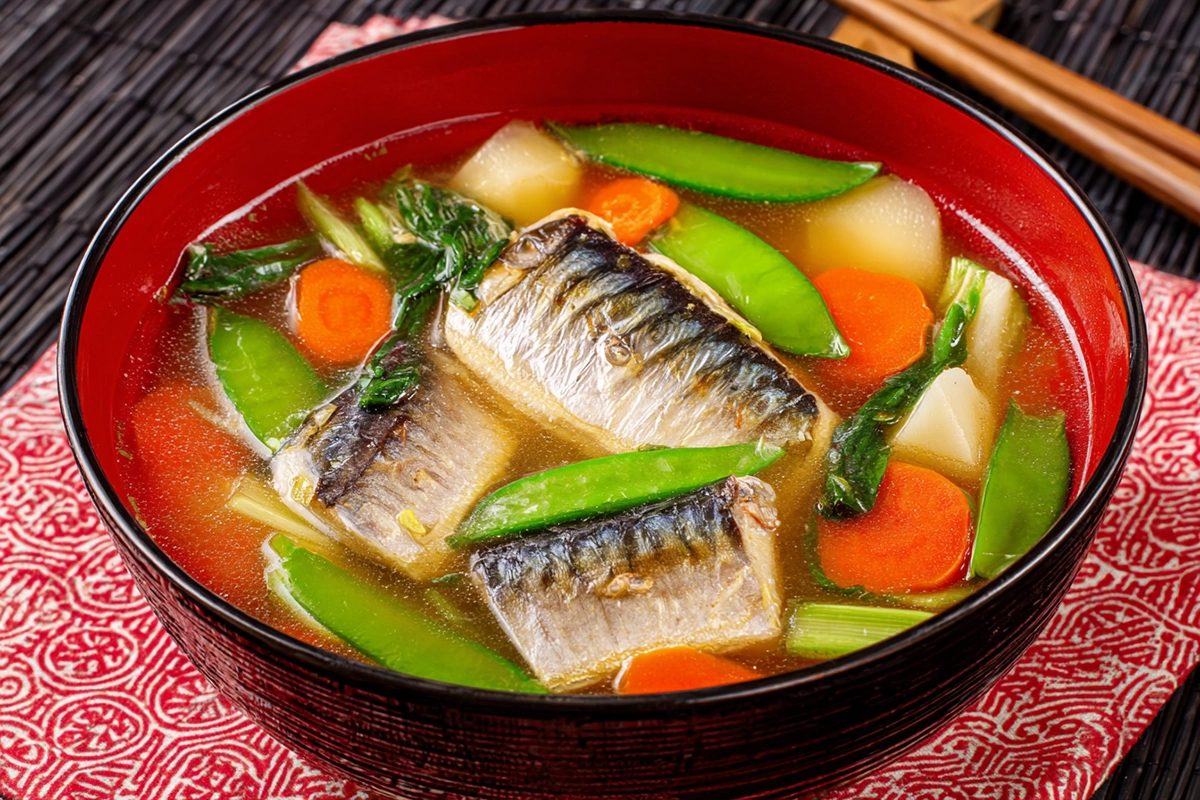
Let’s be real—some nights call for fancy three-course dinners, but most nights? We just need a bowl of something warm, soothing, and nourishing. That’s where Salmon Head Miso Soup comes in. This traditional Japanese soup, also known as sake no ara jiru, might sound a little adventurous if you’re not used to cooking with fish heads, but trust me—it’s far less intimidating than it sounds. In fact, it’s one of the cosiest, most budget-friendly meals you can whip up on a weeknight.
I first fell in love with this recipe when I realised how satisfying it could be to turn humble salmon scraps into something truly soul-warming. With the sweetness of daikon, the earthiness of carrots, and the deep umami of miso paste, this dish is both hearty and light—kind of like a warm hug in soup form.
If you’re looking for a miso soup recipe that feels authentic, nourishing, and perfect for cooler evenings, this is it. And bonus: it comes together in just about 35 minutes, making it totally doable for busy nights when you want homemade comfort without the fuss.
Why You’ll Love This Salmon Head Miso Soup
-
It’s budget-friendly (fish heads are inexpensive but packed with flavour).
-
Comforting yet light—perfect for weeknight dinners.
-
A delicious way to explore Japanese soup traditions.
-
Quick and easy, with only 35 minutes from start to finish.
Ingredients You’ll Need
-
1 salmon head or about 450 g salmon bones, cleaned
-
1 small daikon radish, peeled and sliced (about 300 g)
-
1 medium carrot, peeled and sliced (about 100 g)
-
5 cups (1.2 L) water
-
3 tablespoons (45 g) miso paste
How to Make Salmon Head Miso Soup
-
Clean the fish: Rinse the salmon head or bones thoroughly under cold water to remove any blood or scales.
-
Simmer the broth: Place the fish in a pot with sliced daikon and carrot. Add water and bring to a gentle boil over medium heat.
-
Skim and simmer: As the soup bubbles, skim off any foam or impurities. Let it simmer for 20–25 minutes until the vegetables are tender and the broth is flavorful.
-
Add miso: Turn off the heat. In a small bowl, dissolve miso paste with a ladleful of hot broth. Stir this mixture back into the pot. Remember—don’t boil the soup once miso is added!
-
Serve hot: Ladle into bowls and enjoy with steamed rice and pickles for a classic Japanese meal.
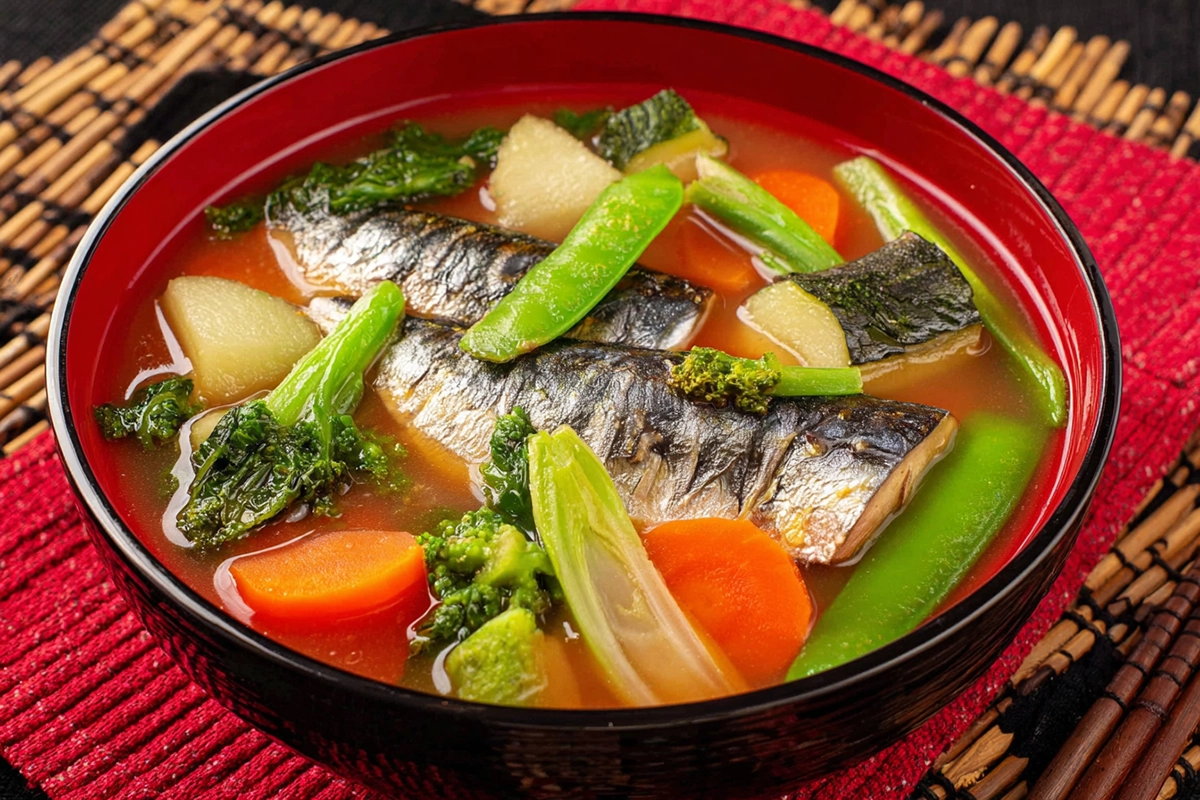
Cooking Tips for the Best Flavour
Don’t let the salmon head scare you—it’s the secret to the deep, savoury richness of this Japanese soup. If the idea feels a little too “fishy,” you can also ask your fishmonger for salmon collars or bones instead.
Here are a few extra tips:
-
Roast before simmering: For an even richer flavour, quickly roast the salmon head in the oven before adding it to your soup.
-
Don’t overcook miso: Adding miso to boiling liquid can dull its aroma and nutrients. Always stir it in off the heat.
-
Veggie swaps: Try adding napa cabbage, mushrooms, or even tofu for more variety.
-
Make it milder: If your family is new to miso soup, start with a little less miso and taste as you go.
And if your soup looks a little cloudy? Don’t stress. That just means the flavours are mingling in the most delicious way.
A Personal Story
This recipe always takes me back to a chilly evening in early spring when I first cooked sake no ara jiru for my family. I remember my kids wrinkling their noses when they saw “fish head” on the counter—honestly, I had the same reaction at first! But once the soup simmered away, filling the kitchen with its rich, savoury aroma, everyone lined up with bowls in hand.
The moment my youngest took a sip and said, “This tastes like a hug,” I knew it had earned a permanent spot in our family dinner rotation. Now, it’s the dish I reach for when we need something grounding, filling, and just a little different from our usual chicken noodle routine. It’s proof that sometimes the most comforting meals come from the simplest (and most surprising) ingredients.
What to Serve with Salmon Head Miso Soup
This soup is delicious on its own, but pairing it with a few sides makes it a complete meal. A bowl of steamed white rice is a classic match—it soaks up the broth and balances the flavours beautifully. Japanese pickles (tsukemono) add a refreshing crunch, while a small plate of tamagoyaki (Japanese rolled omelette) brings a touch of sweetness to the table.
If you’re planning a cosy family dinner, serve the soup alongside grilled salmon fillets or a light cucumber salad with sesame dressing. For something heartier, add a bowl of soba noodles on the side.
And if you’re like me and love a good “soup-and-bread” combo, a slice of crusty sourdough dipped in this umami-rich broth is absolute heaven—even if it’s not traditional. Sometimes you just have to bend the rules for the sake of comfort!
How to Store Leftovers
If you’re lucky enough to have leftovers, Salmon Head Miso Soup keeps well in the fridge for up to 2 days. Store it in an airtight container, and reheat gently over low heat—just don’t let it boil, since miso can lose its delicate flavour.
For longer storage, you can freeze the broth before adding miso. Simply strain out the solids, freeze the liquid in portions, and add fresh miso paste when reheating. This way, you’ll always have a quick, nourishing Japanese soup base ready to go.
Tip: Keep small containers of miso in the fridge. They last forever (well, months), and you can use them to upgrade everything from salad dressings to marinades.
FAQs About Salmon Head Miso Soup
Can I substitute salmon head with fillets?
Yes, you can, but you’ll miss out on the rich flavour that comes from simmering the head and bones. If you prefer, try salmon collars or a mix of bones and fillets.
What kind of miso paste should I use?
White miso (shiro miso) gives a mild, slightly sweet flavour, while red miso (aka miso) is stronger and earthier. Use whichever suits your taste.
Can I make this miso soup recipe vegetarian?
Definitely! Just skip the salmon and use kombu (dried kelp) and shiitake mushrooms for a satisfying vegetarian broth.
How do I reduce the “fishiness” of the soup?
Cleaning the salmon head thoroughly and roasting it before simmering helps mellow the flavour. Adding fresh ginger slices can also brighten the broth.
Bringing It All Together
There’s something truly special about making Salmon Head Miso Soup at home. It transforms a simple salmon head and a few vegetables into a bowl of deep comfort and nourishment. Whether you call it sake no ara jiru or just “the soup that saves weeknights,” it’s a dish that proves cooking doesn’t have to be complicated to feel extraordinary.
So the next time you’re craving a warm, hearty Japanese soup, give this recipe a try. Who knows—it might just become your family’s go-to comfort meal, too.
Discover more delicious recipes by following me on Facebook and Pinterest.
Print
Comfort in a Bowl
- Total Time: 35 minutes
- Yield: 3–4 servings 1x
Description
Salmon Head Miso Soup (Sake no Ara Jiru) is a comforting, authentic Japanese dish that turns humble salmon scraps into a soul-warming meal. With tender daikon, sweet carrots, and umami-rich miso paste, this quick 35-minute recipe is nourishing, budget-friendly, and perfect for chilly evenings or a cozy weeknight dinner.
Ingredients
-
1 salmon head or about 450 g salmon bones, cleaned
-
1 small daikon radish, peeled and sliced (300 g)
-
1 medium carrot, peeled and sliced (100 g)
-
5 cups (1.2 L) water
-
3 tablespoons (45 g) miso paste
Instructions
-
Clean the Fish: Rinse the salmon head or bones thoroughly under cold water to remove blood and scales.
-
Simmer the Broth: Place the fish, daikon, and carrot in a pot. Add water and bring to a gentle boil over medium heat.
-
Skim and Simmer: Skim off foam or impurities as the soup bubbles. Simmer for 20–25 minutes until vegetables are tender and broth is flavorful.
-
Add Miso: Turn off the heat. Dissolve miso paste in a small bowl with a ladleful of hot broth, then stir it back into the pot. Do not boil after adding miso.
-
Serve: Ladle into bowls and enjoy hot with steamed rice and Japanese pickles.
Notes
Roasting the salmon head before simmering enhances depth of flavor.
Avoid boiling after adding miso to preserve aroma and nutrients.
Add napa cabbage, mushrooms, or tofu for variety.
Use salmon collars or bones if you’re hesitant about a full fish head.
For a vegetarian option, replace salmon with kombu and shiitake mushrooms for broth.
- Prep Time: 10 minutes
- Cook Time: 25 minutes
- Category: Simmering/Stovetop
- Method: Simmering/Stovetop
- Cuisine: Japanese