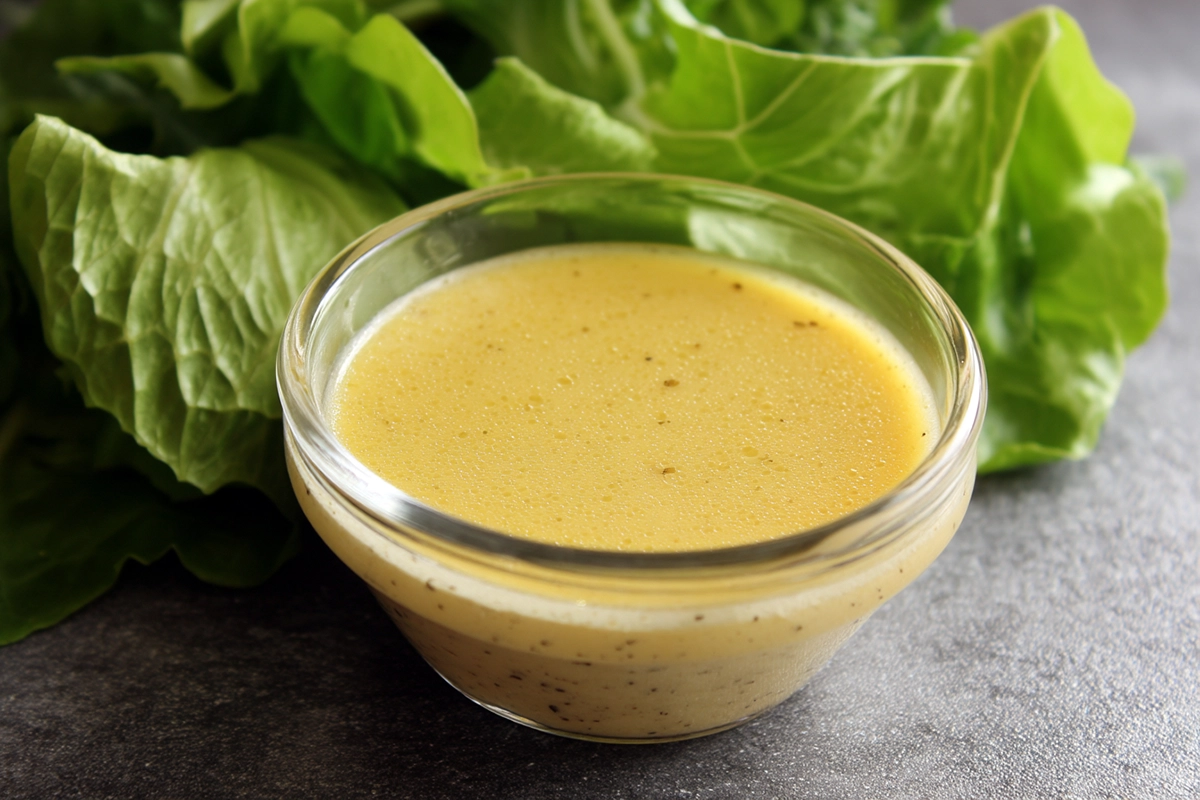
Caesar vinaigrette is more than just a lighter version of your favorite salad dressing. It’s a bold, tangy, and savory mixture that can do wonders for your meals. Whether you’re tossing it with crisp romaine lettuce, drizzling it over grilled chicken, or using it as a dip for roasted vegetables, this dressing brings big flavor without the heaviness of cream.
In this guide, we’re diving deep into what makes Caesar vinaigrette unique, how it’s different from the creamy version, and why it’s become a go-to for healthy eaters and food lovers alike. From classic recipes to smart variations and kitchen tricks, this article has everything you need to master Caesar vinaigrette from scratch.
Let’s kick things off by understanding the foundation.
What Is Caesar Vinaigrette?
Caesar vinaigrette is a zesty and oil-based variation of the traditional Caesar salad dressing. While the original version is known for its rich and creamy base, usually made with mayonnaise or egg yolks, the vinaigrette version swaps that for a more vibrant blend of vinegar or lemon juice and olive oil.
This style of dressing keeps the bold, umami-packed flavor that Caesar is loved for—but in a lighter, more versatile form. It’s especially great for those who prefer dairy-free or egg-free options, or anyone looking for a quicker dressing that doesn’t require blending or emulsifying eggs.
Unlike the thicker classic Caesar, vinaigrette-style versions are smoother, with a sharp tang and clean finish that lifts every bite.
Key Differences From Classic Caesar Dressing
Texture and Base Ingredients
The most noticeable difference lies in the texture. Classic Caesar dressing is thick and creamy, perfect for clinging to crunchy lettuce leaves. Caesar vinaigrette, on the other hand, is smooth and pourable, more like a traditional oil-and-vinegar dressing.
While both share common ingredients like garlic, anchovy, Dijon mustard, and Parmesan cheese, the vinaigrette cuts out the eggs and heavy bases. That makes it more approachable for those with dietary restrictions or those avoiding raw eggs.
Flavor Profile
Even though it’s lighter, Caesar vinaigrette doesn’t hold back on taste. The anchovy paste or Worcestershire sauce still delivers that deep, savory punch. The Dijon mustard adds a bit of heat and creaminess, while lemon or vinegar provides the bright kick that ties it all together.
The result? A flavorful dressing that’s lighter on the palate but heavy on satisfaction.
Why Choose Caesar Vinaigrette?
There are plenty of reasons to reach for Caesar vinaigrette over its creamy cousin. First off, it’s easier to make. No blenders or processors needed—just a whisk and a bowl. It’s also more shelf-stable and tends to last longer in the fridge, especially without eggs.
And let’s not forget how versatile it is. This dressing isn’t just for salads. It works wonderfully as a marinade, sandwich spread, or sauce for roasted veggies and grains.
In short, it’s a great way to get all the classic Caesar flavor with less fuss, fewer calories, and endless uses in the kitchen.
Coming up, we’ll walk through a traditional Caesar vinaigrette recipe step by step so you can start mixing up your version at home, with simple ingredients and easy techniques that anyone can master.
Traditional Caesar Vinaigrette Recipe
A good Caesar vinaigrette starts with simple, fresh ingredients. When mixed right, they make a dressing that’s bold, zesty, and full of flavor. This part shows how to make the classic version step by step.
Ingredients You’ll Need
These ingredients create that signature Caesar taste. No fancy tools. Just a bowl, a whisk, and your taste buds.
Basic Ingredients:
-
1/3 cup olive oil
-
2 tablespoons fresh lemon juice
-
1 teaspoon Dijon mustard
-
1 teaspoon Worcestershire sauce
-
1 clove garlic, finely minced
-
1 teaspoon anchovy paste (or 2 anchovy fillets, mashed)
-
2 tablespoons grated Parmesan cheese
-
Salt and pepper, to taste
Simple Step-by-Step Instructions
Step 1: In a small bowl, whisk together lemon juice, Dijon mustard, Worcestershire sauce, garlic, and anchovy paste. Mix well until smooth.
Step 2: Slowly drizzle in the olive oil while whisking. Keep whisking until the dressing thickens a bit and looks smooth.
Step 3: Stir in the Parmesan cheese. Taste and add salt and pepper as needed.
That’s it. Your homemade Caesar vinaigrette is ready!
Tips for Best Flavor
Use fresh lemon juice
Bottled lemon juice can taste flat. Fresh juice adds brightness.
Grate your own Parmesan
It melts better into the dressing and gives a stronger flavor.
Whisk well
Take your time when adding oil. A slow pour helps mix everything smoothly.
How to Store Caesar Vinaigrette
Pour the dressing into a clean jar or bottle with a lid. Store it in the fridge. Shake well before each use. It can last for about 5 to 7 days. Always check the smell and taste before using.
This version gives you a true Caesar flavor, without the heaviness. And now that you’ve nailed the classic, let’s look at some fun and easy ways to make it your own. Variations are coming up next!
Popular Caesar Vinaigrette Variations
The classic version is great. But it’s also fun to mix things up. You can add new flavors or change ingredients to fit your needs. Below are a few tasty twists on the original recipe.
Creamy Caesar Vinaigrette
This one is for those who love a richer taste but still want a lighter texture.
How to Make It:
-
Add 2 tablespoons of plain Greek yogurt or mayonnaise to the classic recipe.
-
Whisk it in after adding the oil.
The yogurt adds a creamy texture. It also gives a bit of tang.
Spicy Caesar Vinaigrette
Want a little heat? This version brings a kick.
What to Add:
-
1/2 teaspoon red pepper flakes
-
Or a dash of hot sauce
-
A pinch of smoked paprika (optional)
These extras give a warm, bold flavor. Great for grilled chicken or roasted veggies.
Herbed Caesar Vinaigrette
Fresh herbs can take your vinaigrette to the next level.
Try These Add-ins:
-
Chopped parsley
-
Fresh basil
-
A few thyme leaves
Add the herbs at the end. They bring color, freshness, and new flavors.
Vegan Caesar Vinaigrette
No eggs. No cheese. But still big flavor.
Key Swaps:
-
Use capers or miso paste instead of anchovies.
-
Swap Parmesan for 1 tablespoon of nutritional yeast.
-
Choose plant-based Worcestershire sauce.
It’s full of flavor. And 100% plant-based.
Gluten-Free Version
Most Caesar vinaigrettes are already gluten-free. But always check your Worcestershire sauce. Some brands may have wheat.
Tip:
Look for bottles labeled “gluten-free” to stay safe.
These variations are easy to try. Just start with the classic base, then tweak it to fit your style. Next, we’ll cover tips and tricks to make sure your Caesar vinaigrette turns out perfect every time.
Tips and Techniques for the Perfect Caesar Vinaigrette
Making a good Caesar vinaigrette is easy. Still, a few smart tips can make it even better. And if you know what to avoid, you’ll get the best flavor every time.
Expert Tips for Success
Whisk slowly when adding oil
Pour the oil in little by little. Whisk as you go. This helps the dressing mix well. It stays smooth and doesn’t separate.
Taste and adjust
Try the dressing before serving. Add more lemon, salt, or garlic if needed. Everyone’s taste is different.
Use fresh garlic
Fresh garlic gives the best flavor. If it’s too strong for you, roast it or use a smaller amount.
Let it rest
Let your dressing sit for 10 minutes before using. This gives the flavors time to blend.
Common Mistakes to Avoid
Using poor-quality oil
Good olive oil makes a big difference. Cheap oil can make the dressing taste bitter.
Too much garlic or anchovy
A little goes a long way. Add slowly, and taste as you mix. It’s easier to add more than to fix too much.
Skipping the whisking step
If you don’t whisk properly, the oil will separate. Your dressing won’t be smooth. Take your time.
Overpowering with cheese
Parmesan adds flavor, but too much can make it thick and salty. Start with a little. Add more only if needed.
These simple tips help make a dressing that’s smooth, tasty, and full of flavor. Ready to use your vinaigrette? Let’s explore the best ways to serve it.
Creative Ways to Use Caesar Vinaigrette
Caesar vinaigrette isn’t just for salads. You can use it in many fun and tasty ways. It adds a burst of flavor to simple meals.
Great on More Than Salad
Try it on other greens
It’s perfect on spinach, kale, or mixed greens. Toss it gently before serving.
Use in grain bowls
Pour a spoonful over rice, quinoa, or couscous. Add veggies and protein for a fast lunch.
Drizzle on roasted vegetables
It goes well with roasted carrots, potatoes, or broccoli. Add it while the veggies are still warm.
Mix into pasta salads
Skip the usual mayo. Use Caesar vinaigrette instead. It makes the pasta taste bright and fresh.
Makes a Great Marinade
You can use it to marinate chicken, tofu, or even mushrooms.
How to do it:
-
Pour dressing over your protein.
-
Let it sit in the fridge for 30 minutes.
-
Then cook as usual.
The flavors soak in and make everything taste better.
Tasty in Sandwiches or Wraps
Spread it on bread or inside a wrap. It gives a tangy, bold taste.
Best pairings:
-
Grilled chicken
-
Roasted veggies
-
Tuna or chickpea salad
Adds Flavor to Snacks and Sides
Dip raw veggies in it. Use it on baked potatoes. Or toss it with popcorn for a salty twist.
There are so many ways to enjoy Caesar vinaigrette. It’s not just a salad dressing—it’s a flavor booster. Next, we’ll answer some common questions people ask about making and using it.
Caesar Vinaigrette Recipe FAQs
People often have questions about Caesar vinaigrette. Here are some quick answers to help you out.
Can I make Caesar vinaigrette without anchovies?
Yes, you can. Try capers, miso paste, or soy sauce. They give a similar salty taste.
How long does homemade Caesar vinaigrette last?
It lasts 5 to 7 days in the fridge. Keep it in a jar with a lid. Shake before each use.
Is Caesar vinaigrette safe for vegans?
It can be! Just swap the anchovy for capers or miso. Use nutritional yeast instead of Parmesan.
Can I use this dressing as a marinade?
Yes. It works great for chicken, tofu, or veggies. Let your food sit in it for 30 minutes before cooking.
What’s the difference between Caesar vinaigrette and creamy Caesar?
Vinaigrette is oil-based. It’s light and smooth. Creamy Caesar uses eggs or mayo. It’s thick and rich.
Can I freeze Caesar vinaigrette?
No. Freezing changes the texture. It’s best made fresh and kept in the fridge.
Can I skip the cheese?
Yes. It still tastes good. Try adding a pinch of salt or some nutritional yeast instead.
These simple answers should help you feel more confident making and using Caesar vinaigrette. Let’s wrap up with a quick review and final tips.
Embracing the Versatility of Caesar Vinaigrette
Caesar vinaigrette is full of flavor. It’s easy to make and easy to use. You don’t need fancy tools. You don’t need hard-to-find ingredients.
This dressing is light, yet bold. You can use it on more than just salads. Try it on grain bowls, roasted veggies, sandwiches, or as a marinade. It’s a great way to add taste to your everyday meals.
You can also change it to fit your needs. Want it vegan? No problem. Need it spicy or creamy? Easy tweaks make it happen. The best part? You control the taste.
Making it at home saves money. It also means no added junk. Just fresh, real ingredients.
So go ahead. Grab a bowl. Mix it up. And enjoy every bite. Caesar vinaigrette is simple, but never boring
Print
Caesar Vinaigrette Recipe – A Flavorful Twist on a Classic
5 Stars 4 Stars 3 Stars 2 Stars 1 Star
No reviews
- Author: Amanda Thompson
- Total Time: 10 minutes
- Yield: About 3/4 cup 1x
- Diet: Vegetarian
Description
Caesar Vinaigrette is a light, zesty take on the classic Caesar dressing. It blends bold ingredients like garlic, lemon juice, Dijon mustard, and anchovy into a smooth, oil-based dressing. This version skips the creamy base but keeps all the rich, savory flavor. It’s perfect for salads, grain bowls, marinades, and more—ready in minutes with no blending needed.
Ingredients
-
1/3 cup olive oil
-
2 tablespoons fresh lemon juice
-
1 teaspoon Dijon mustard
-
1 teaspoon Worcestershire sauce
-
1 clove garlic, finely minced
-
1 teaspoon anchovy paste (or 2 anchovy fillets, mashed)
-
2 tablespoons grated Parmesan cheese
-
Salt and black pepper, to taste
Instructions
-
In a bowl, whisk together lemon juice, Dijon mustard, Worcestershire sauce, garlic, and anchovy paste until smooth.
-
Slowly drizzle in olive oil while whisking to blend well.
-
Stir in grated Parmesan cheese.
-
Taste and season with salt and pepper.
-
Store in a clean jar in the fridge. Shake before each use.
Notes
Use fresh lemon juice for the best flavor.
Grate Parmesan just before mixing for better texture.
For a vegan version, swap anchovy with capers or miso and use nutritional yeast instead of cheese.
Lasts 5–7 days in the fridge.
Great as a dressing, marinade, dip, or sandwich spread.
- Prep Time: 10 minutes
- Cook Time: 0 minutes
- Category: Dressing
- Method: Whisked (No Cook)
- Cuisine: American