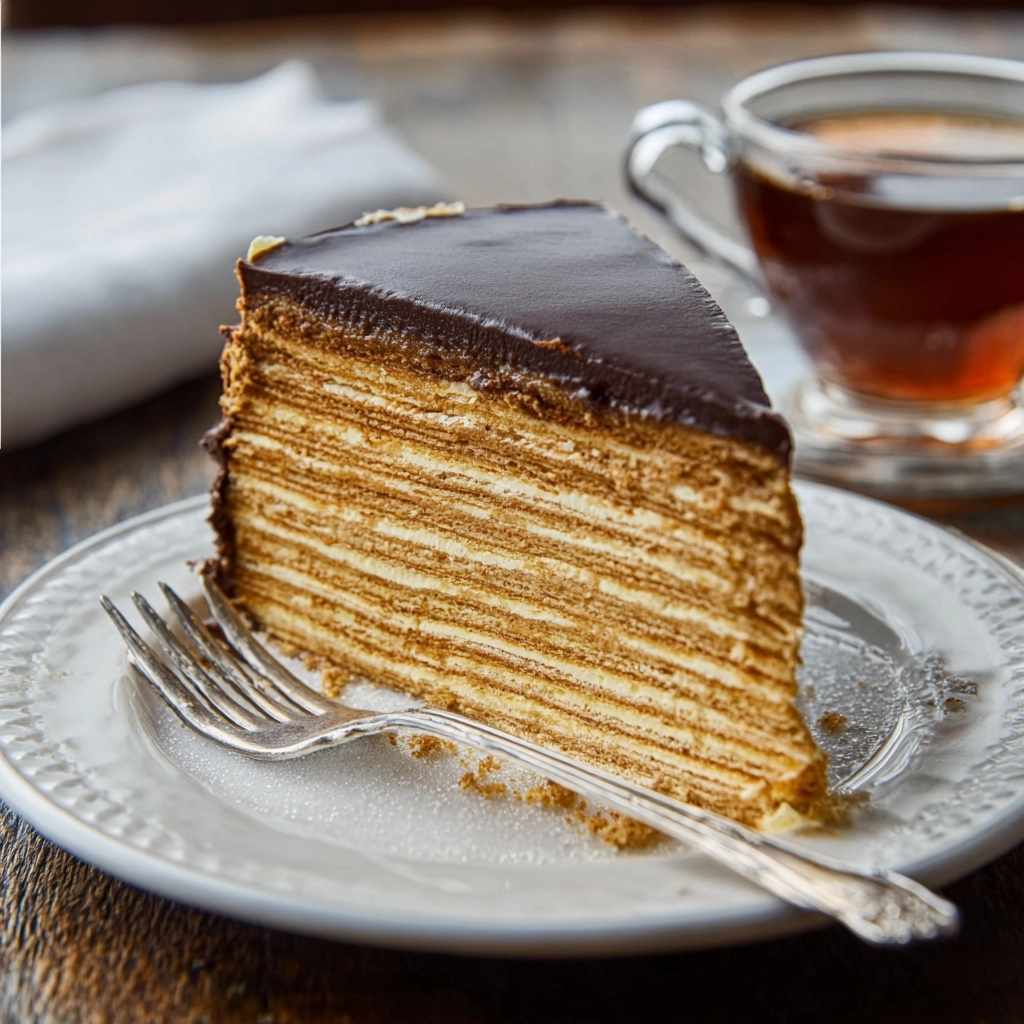
There’s something magical about slicing into a Baumkuchen Cake—those golden rings inside look like the growth lines of a tree, telling a story of patience, skill, and tradition. My first encounter with this legendary German dessert happened in a cozy Berlin café on a chilly winter morning. The aroma of butter and almonds filled the air while the barista served me a warm cup of coffee alongside a thin slice of Baumkuchen. Its alternating layers of sponge and caramelized sweetness melted in my mouth, and I immediately knew this wasn’t just any cake—it was edible art.
In this article, you’ll learn the rich story behind Baumkuchen Cake, its origins, and how to bake this stunning treat at home. We’ll also explore creative flavor ideas, expert baking tips, and how this German baking masterpiece compares with other unique cakes around the world.
The Story Behind Baumkuchen Cake
A Symbol of German Craftsmanship
The Baumkuchen Cake, literally translating to “tree cake,” is one of the most iconic German desserts. Its layered look represents the annual rings of a tree trunk, and it’s often called the “King of Cakes” in Germany. Traditionally baked on a rotating spit, the batter is brushed on in thin layers and grilled until golden. The process is repeated again and again, creating a striking striped interior.
Originating in medieval Germany, Baumkuchen became a symbol of love and celebration. Bakers would prepare it for weddings and royal occasions because its rings represented eternity and unity. Over time, the recipe traveled across Europe and even to Japan, where it became an adored confectionery item.
A Journey from Europe to Asia
While Baumkuchen Cake is rooted in German baking, its artistry has been embraced globally. In Japan, it’s a premium gift often found in luxury confection shops. Across Europe, it’s served during Christmas, Easter, and festive gatherings. From Kuih Lapis in Southeast Asia to the Italian Postres Italianos, its influence appears in similar layered sweets—proving that patience, precision, and passion are universal ingredients in baking.
Print
Baumkuchen Cake
- Total Time: 1 hour 15 minutes
- Yield: 1 large cake (12 servings) 1x
- Diet: Vegetarian
Description
Classic German Baumkuchen Cake with almond paste, layered batter, apricot jam, and chocolate glaze.
Ingredients
-
180g almond paste or substitute
-
250g butter
-
12 eggs
-
30ml rum
-
1 tsp vanilla extract
-
½ tsp salt
-
250g sugar
-
125g flour
-
125g cornstarch
-
280g apricot jam
-
150g chocolate
-
80ml cream
-
1 tbsp coconut oil
-
1 tbsp rum
-
Optional: 100g toasted almonds
Instructions
-
Preheat broiler and prepare pan.
-
Cream almond paste with butter.
-
Separate eggs; beat yolks with sugar, rum, and vanilla.
-
Whip egg whites until stiff; fold into yolk mixture.
-
Sift flour and cornstarch; fold gently.
-
Spread thin batter layer in pan and broil until golden.
-
Repeat layering and broiling process.
-
Cool and glaze with apricot jam and melted chocolate.
-
Decorate with almonds and serve.
Notes
Use a gluten-free flour blend for a gluten-free version.
Watch layers closely—they brown fast.
Store at room temperature for up to 5 days or freeze for up to 3 months.
- Prep Time: 30 minutes
- Cook Time: 45 minutes
- Category: Dessert
- Method: Broiling Layers
- Cuisine: German
How to Make Authentic Baumkuchen Cake
The Ingredients That Make It Special
A perfect Baumkuchen Cake balances lightness and rich flavor. Almond paste forms its core, giving a nutty sweetness that complements the buttery layers. The key ingredients include butter, eggs, sugar, flour, cornstarch, and almond paste—blended together with a hint of rum and vanilla for depth. The addition of apricot jam between some layers adds brightness and moisture, while the final chocolate glaze seals it beautifully.
The Layered Baking Technique
What makes this cake so fascinating is the process. Each thin layer of batter is spread and grilled under a broiler until golden before adding the next one. The repetition of baking creates visible stripes, much like tree rings. Typically, you’ll get around 12 to 16 layers, depending on your pan size. This technique requires patience, but the result is a moist, flavorful tree cake with a caramelized top and buttery aroma that’s worth every minute.
The finishing touch—a silky chocolate glaze infused with rum—adds shine and elegance. You can even coat the sides with toasted almonds for an extra crunch. Every bite combines the smoothness of almond butter, the warmth of rum, and the sweetness of apricot—an irresistible harmony that defines this unique cake.
Flavor Variations and Creative Twists
Coffee-Flavored Baumkuchen Cake
If you love a hint of coffee in your desserts, try creating a Coffee-flavored Baumkuchen Cake. Simply mix a tablespoon of espresso powder into the batter. The coffee deepens the caramel tones and balances the sweetness beautifully. It pairs perfectly with whipped cream or a shot of espresso on the side. This version brings together the sophistication of European patisserie with the comfort of your favorite café treat.
Modern Flavor Fusions
Though the classic version reigns supreme, modern bakers have experimented with endless cake flavors. Matcha Baumkuchen offers an earthy, green hue and subtle bitterness. Chocolate lovers can swirl in cocoa powder or Nutella for a decadent twist. Even tropical infusions, such as coconut and pineapple, have found their way into Baumkuchen variations. The adaptability of this German dessert proves that its timeless design can evolve while maintaining its traditional heart.
Baumkuchen in European and Global Dessert Culture
German Baking Heritage
No exploration of German desserts is complete without mentioning Baumkuchen. It’s considered a national treasure, showcasing the meticulous skill that defines German baking. Just like stollen or Black Forest cake, it highlights the balance of tradition and artistry. Each layer tells a story—a moment of focus and craftsmanship that mirrors the patience of generations of bakers.
Beyond Borders: Influences and Connections
Interestingly, the concept of layered cakes appears in other cultures too. Indonesia’s Kuih Lapis resembles a colorful, spiced version of Baumkuchen. Italy’s Postres Italianos embrace similar richness, while the French Gateaux cakes share the same elegance and presentation. What ties them all together is their artistry—a dedication to turning simple ingredients into something extraordinary.
These cultural intersections prove that while recipes may vary, the love of layered desserts is shared worldwide. Whether enjoyed as a centerpiece at weddings or as an afternoon treat with coffee, Baumkuchen continues to inspire bakers across continents.
Tips for Perfecting Your Baumkuchen Cake
Common Mistakes to Avoid
Because of its unique baking process, Baumkuchen can be challenging for beginners. The most common mistake is overbaking the layers, which can lead to dryness. Watch each layer closely; they brown fast under the broiler. Another tip—don’t overmix the batter after folding in the egg whites. The air trapped in the mixture gives the cake its soft texture. And always use parchment paper at the base to prevent sticking.

Finishing Touches and Presentation
Once baked, the Baumkuchen Cake should rest and cool before glazing. Use apricot jam to give it a glossy undercoat, followed by the chocolate glaze. The combination adds shine and prevents dryness. For festive occasions, decorate the sides with toasted almonds or powdered sugar for a touch of elegance. Slice it thinly to reveal those stunning tree rings—it’s as beautiful as it is delicious.
Serve it with coffee, tea, or dessert wine for an authentic European experience. This is not just a cake; it’s an experience—a slice of history served on your plate.
Frequently Asked Questions
What is Baumkuchen Cake made of?
It’s made from a rich batter of almond paste, butter, eggs, sugar, flour, cornstarch, rum, and vanilla, baked in layers under a broiler.
Why is it called a “Tree Cake”?
Because its interior resembles tree rings, symbolizing growth and eternity—hence the name “Baumkuchen.”
Can I make Baumkuchen without almond paste?
Yes, substitute almond flour mixed with honey and almond extract for a similar flavor.
Is Baumkuchen gluten-free?
You can make it gluten-free using a gluten-free flour blend instead of regular flour.
What’s the best way to store it?
Wrap it tightly in plastic wrap and store it in an airtight container at room temperature for up to 5 days or freeze it for up to 3 months.
Conclusion
The Baumkuchen Cake is a masterpiece of precision and patience—a dessert that connects generations through its beauty and taste. Whether you enjoy the classic German version or a modern twist like the coffee-flavored variety, this unique cake offers an unforgettable experience. With its rich almond base, golden layers, and velvety glaze, it embodies the very best of German baking artistry. Once you bake it yourself, you’ll understand why this “Tree Cake” has stood the test of time.
Discover more delicious recipes by following me on Facebook and Pinterest.